Mountain Lifestyle Destinations USA: American Alpine Regional Guide
Navigating high-altitude real estate and regional development across the United States requires examining complex economic pressures, restrictive zoning frameworks, and shifting cultural expectations. Across the Rocky Mountains, the Wasatch Range, and regional eastern ridges, property developers, investors, and community planners continually balance the tensions between rustic seclusion and world-class commercial infrastructure. Therefore, stakeholders must evaluate these geographic areas with rigorous analytical depth. Surface-level travel guides and generic lifestyle blogs frequently fail to capture the profound structural realities governing mountain communities. Achieving long-term viability requires managing delicate trade-offs among environmental preservation, infrastructure expansion, and seasonal tourism demand. Consequently, these operational choices tie local economic health directly to real estate valuation and community sustainability.
Furthermore, analyzing these high-end regional hubs sheds light on broader demographic shifts shaping domestic migration patterns. Changing corporate work models, accelerated demand for open-air wellness spaces, and rising land scarcity have fundamentally transformed how regional hubs operate. Communities that successfully diversify their economic calendars beyond winter snowfall into robust year-round economies serve as stable financial anchors. Consequently, mastering the characteristics of these elevated hubs requires a detailed systemic framework. This inquiry explores the deep economic and structural factors shaping domestic resort enclaves.
Ultimately, achieving a comprehensive understanding of premier mountain regions demands structured governance. By breaking down how these areas handle land scarcity, municipal planning, utility management, and seasonal labor dynamics, stakeholders navigate the competitive landscape of American alpine real estate effectively. Therefore, this guide serves as a definitive reference for understanding regional development mechanics. It outlines the strategic choices that govern exceptional mountain communities across the country.
Understanding “Mountain Lifestyle Destinations USA”
Semantic Ambiguity and Regional Boundaries
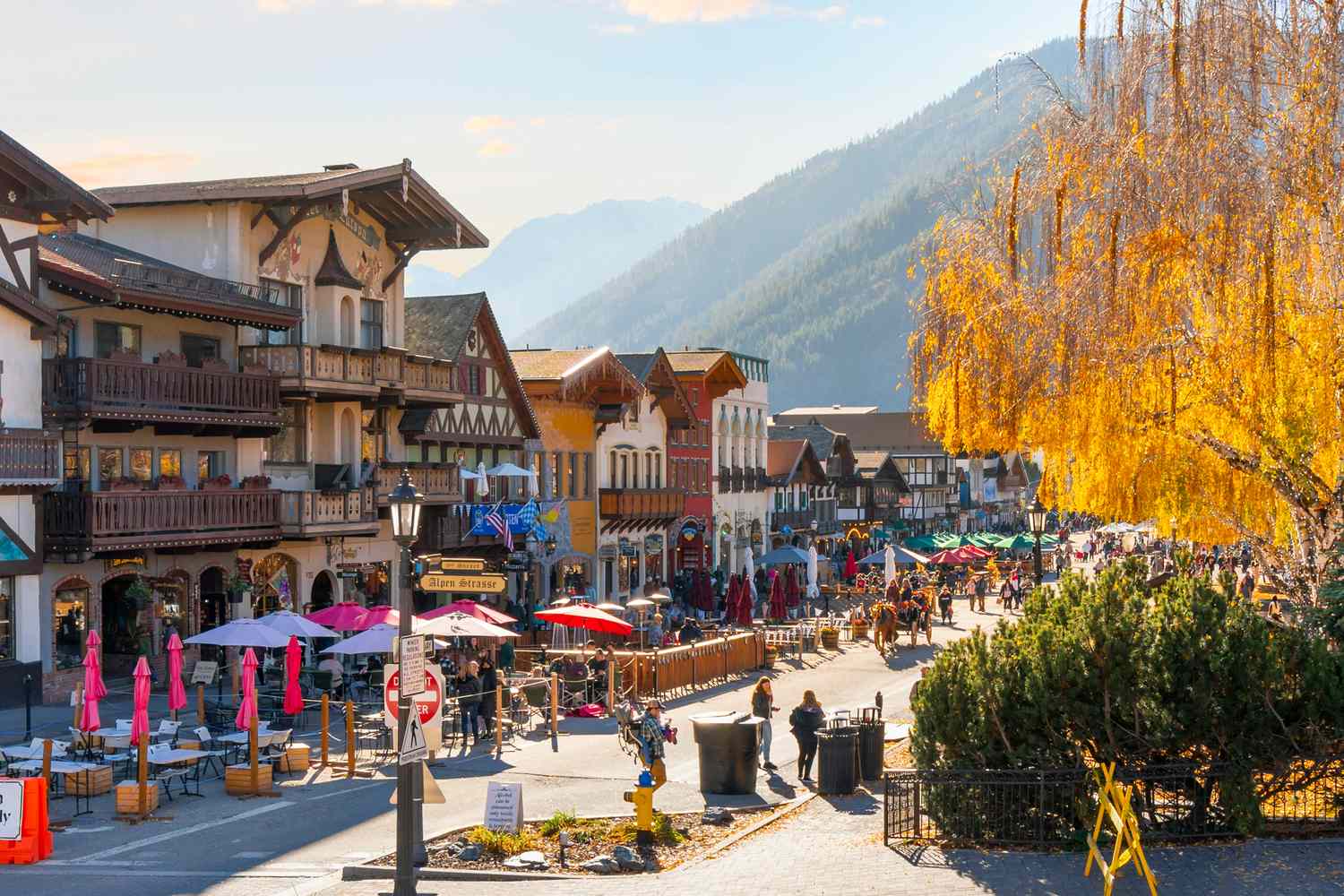
Evaluating the classification, economic drivers, and community structures involved in mountain lifestyle destinations usa requires navigating profound semantic ambiguity across real estate economics, municipal planning, and tourism management sectors. Asset developers, regional planners, and prospective residents frequently conflate master-planned ski villages, historic mining towns converted into luxury enclaves, remote wilderness valleys, and sprawling multi-acre ranch communities. However, this broad generalization obscures massive variances in municipal zoning, infrastructure density, and financial volatility. For instance, an incorporated mountain town like Aspen operates with a highly mature urban core, strict historic preservation codes, and intense land constraints. Conversely, an expansive mountain valley in Montana offers sprawling lot sizes, private conservation easements, and lower immediate municipal density. Therefore, analysts must inspect micro-level municipal specifications closely. Regional zoning laws and public-private land covenants demand constant oversight.
Economic Scarcity versus Year-Round Viability
True economic resilience within high-altitude American communities requires harmonizing traditional winter sports reliance with a robust, four-season operational calendar. Unlike traditional resort towns that historically suffered from severe financial troughs during spring and autumn shoulder months, modern alpine regions have evolved into year-round ecosystems. Evaluators must look past superficial seasonal promotional calendars to assess actual economic diversification, local workforce housing stability, and municipal tax revenue structures accurately. Ultimately, failing to master these systemic realities leads directly to workforce displacement, community stagnation, and distorted real estate valuations.
Deep Contextual Background
The historical evolution of mountain communities in the United States traces back to early nineteenth-century mineral prospecting, timber harvesting, and transcontinental railway outposts. During this foundational era, settlements in places like the Colorado Rockies and the Northern Wasatch range prioritized raw extraction and functional shelter over permanent residential comfort. These early mountain outposts relied heavily on timber framing, local stone, and isolated supply chains, establishing the rugged architectural vocabulary of the American West.
Following the post-war expansion of commercial ski infrastructure, these industrial settlements underwent a radical socio-economic transformation. Quiet cattle ranches and abandoned mining camps evolved into structured resort villages inspired by classic European alpine models. Furthermore, this commercial maturation introduced complex municipal engineering, including municipal water systems, regional wastewater treatment facilities, and state highway maintenance partnerships. In recent decades, the shift toward remote work and flexible corporate schedules has accelerated permanent domestic migration to these high-altitude enclaves. Today, contemporary mountain hubs are driven by advanced sustainable building technologies, smart energy grids, and sophisticated land-use planning, turning historical extraction sites into premier national economic engines.
Conceptual Frameworks and Mental Models
Successfully evaluating and classifying premier mountain regions requires deploying rigorous analytical models. These models balance geographical constraints against community economic output.
1. The Land Scarcity versus Development Density Matrix
This mental model measures the balance between strict geographic boundaries—such as protected U.S. Forest Service land and steep topography—and municipal zoning allowances. It evaluates how physical limits create long-term asset appreciation and housing cost pressures.
2. The Seasonal Yield versus Year-Round Diversification Spectrum
High-end mountain economies span from hyper-concentrated winter ski hubs to balanced four-season recreational centers. Therefore, this framework analyzes how successfully a community buffers itself against single-season climate anomalies.
3. The Infrastructure Capacity versus Population Growth Balance
Alpine enclaves must scale municipal water, waste management, and transit systems to match surging tourist populations. Consequently, this mental model calculates how structural engineering supports luxury real estate expansion without exceeding ecological carrying capacities.
Key Categories and Variations
The landscape of premier mountain regions across the United States comprises several distinct commercial and architectural variations.
| Regional Category | Primary Geographic Profile | Economic Model | Strategic Trade-off |
| Mature Luxury Resort Enclaves | High-altitude alpine valleys | High-end tourism, retail, and ultra-prime real estate | Extreme property costs; tight land scarcity |
| Expansive Master-Planned Valleys | Broad foothill basins | Branded hospitality, private clubs, and large estates | Lower urban density; reliance on vehicular transit |
| Historic Mining Town Conversions | Narrow canyon floors | Boutique retail, historic preservation, and tourism | Strict architectural controls; limited parking infrastructure |
| Remote Wilderness Gateway Hubs | Rugged mountain passes | Eco-tourism, outfitting, and outdoor recreation | Seasonal isolation; limited commercial medical facilities |
| Four-Season Regional Hubs | Mid-elevation river valleys | Diversified tech, remote work, and outdoor manufacturing | Balanced local economy; rising cost of living for locals |
| Private Conservation Communities | Large private acreage trusts | Low-density estate ownership and managed land | Maximum privacy; high barrier to entry and rigid covenants |
Realistic Decision Logic
When travelers, remote professionals, and real estate investors evaluate options regarding mountain lifestyle destinations usa, selecting an appropriate regional category requires aligning lifestyle goals with local municipal infrastructure. For individuals prioritizing immediate access to high-end dining, cultural calendars, and global private aviation, mature resort enclaves like Aspen or Vail deliver unmatched convenience. Conversely, for buyers seeking vast acreage, wildlife preservation, and lower population density, private valley communities in Wyoming or Montana provide superior spatial independence. Therefore, stakeholders must carefully weigh these regional trade-offs against budgetary constraints and long-term appreciation potential.
Detailed Real-World Scenarios
1. The Workforce Housing Shortage and Municipal Labor Crisis
A mature Colorado ski town experiences an explosive influx of high-net-worth second-home buyers, driving local residential real estate prices beyond the reach of municipal service workers, teachers, and ski patrollers. Because local service staff must commute hours from neighboring valleys, restaurants and hotels face severe staffing shortages, forcing businesses to curtail operating hours during peak winter holiday seasons.
2. The Climate Variability and Snowpack Revenue Shock
An iconic Pacific Northwest mountain destination relies heavily on winter ski tourism to generate annual municipal sales tax revenues. During an unseasonably warm winter characterized by low snowfall and delayed resort openings, local lodging occupancy plummets by forty percent, forcing municipal leaders to draw on emergency cash reserves to maintain public services.
3. The Infrastructure Strain from Short-Term Rental Proliferation
A historic mountain town in Utah sees a massive conversion of long-term residential housing into short-term vacation rentals. This sudden shift displaces long-term residents, strains neighborhood parking infrastructure, and triggers municipal code enforcement disputes regarding noise and waste management.
4. The Remote Connectivity and Telecommunication Failure
A technology executive relocates full-time to an exclusive mountain valley community in Idaho, relying on remote video conferencing for business operations. During a severe spring lightning storm, a downed fiber-optic trunk line leaves the entire valley without internet connectivity for three days, halting remote business operations and highlighting the vulnerabilities of digital infrastructure in remote terrain.
Planning, Cost, and Resource Dynamics
The economic viability and pricing structure of elite American mountain regions depend on balancing municipal capital outlays against seasonal operational labor overhead.
-
Direct Municipal Outlays: Maintaining complex snow-removal fleets, high-altitude road maintenance, and advanced water treatment facilities requires robust local tax collection.
-
Operational Labor Overhead: Supporting the hospitality, construction, and municipal services required by luxury enclaves demands continuous financial and logistical commitment.
-
Opportunity Costs: Failing to balance short-term tourism growth with long-term ecological protection results in severe environmental degradation and permanent community erosion.
| Cost Dimension | Urban Metropolitan Center | Traditional Resort Town | Elite Mountain Enclave |
| Land Acquisition Cost | High (commercial density) | Very High (resort proximity) | Peak (constrained valley geography) |
| Seasonal Economic Volatility | Low (diversified commercial base) | High (winter or summer peak dependency) | Moderate (growing four-season diversification) |
| Infrastructure Maintenance Burden | Standard municipal upkeep | High (extreme weather and freeze-thaw cycles) | Intensive (remote topography and high-altitude logistics) |
| Workforce Housing Deficit | Moderate (subsidized transit options) | High (commuting distance pressures) | Critical (severe geographic and pricing barriers) |
Tools, Strategies, and Support Systems
Executing successful operations, municipal planning, and lifestyle transitions within top-tier American mountain regions requires integrating specialized digital platforms and community governance tools.
-
Geographic Information Systems (GIS): Advanced spatial mapping software used by municipal planners to monitor zoning boundaries, avalanche hazard zones, and watershed protections.
-
Smart Transit and Traffic Management Platforms: IoT-enabled sensor networks tracking real-time parking availability, shuttle bus tracking, and mountain pass congestion.
-
Community Engagement and Permitting Portals: Digital municipal software designed to streamline short-term rental licensing, architectural review submissions, and public zoning hearings.
-
Regional Economic Development Dashboards: Data analytics platforms tracking visitor spending, lodging occupancy pacing, and sales tax revenue trends across four seasons.
-
Emergency Telemetry and Wildfire Warning Systems: Real-time meteorological and satellite networks providing early detection and evacuation alerts for wildfire-prone alpine terrain.
-
Encrypted Financial and Property Ledger Systems: Secure tools managed by homeowners associations and municipal authorities to handle public-private infrastructure assessments.
Risk Landscape and Failure Modes
Operating, investing, and living in high-altitude American mountain regions introduces unique vulnerabilities that can compromise financial stability and community resilience if unmitigated.
-
Extreme Real Estate Price Bubbles: Unmitigated capital inflows can detach local property values from regional economic fundamentals, pricing out essential workers.
-
Severe Ecological and Wildfire Vulnerabilities: Extended drought periods and dense forest underbrush create catastrophic wildfire risks that threaten entire mountain communities.
-
Monoculture Economic Vulnerability: Over-relying on a single industry—such as downhill skiing—leaves regional economies exposed to long-term climate warming trends.
-
Severe Infrastructure Bottlenecks: Outdated two-lane mountain access highways experience chronic gridlock during peak holiday arrival and departure windows.
-
Regulatory Backlash and Moratoriums: Unchecked development often sparks aggressive municipal building moratoriums and strict growth caps that disrupt real estate markets.
Governance, Maintenance, and Long-Term Adaptation
Maintaining elite physical, environmental, and economic standards across high-altitude American mountain regions requires rigorous governance protocols and cyclical reviews.
-
Comprehensive Master Plan Revisions: Multi-year municipal planning cycles that reassess carrying capacities, open-space preservation, and housing mandates.
-
Cross-Sector Stakeholder Collaborations: Regular roundtables uniting resort operators, local government officials, conservationists, and business owners to address regional challenges.
-
The Layered Operational Checklist:
-
Zoning and Carrying Capacity Review: Verify that regional development approvals align with available municipal water rights and wastewater capacities.
-
Workforce Housing Fund Audit: Ensure that commercial developments contribute mandatory mitigation fees toward local employee housing initiatives.
-
Wildfire Mitigation Sign-Off: Confirm that all community defensible-space protocols, fuel-reduction zones, and emergency water hookups have passed inspection.
-
Post-Season Economic and Environmental Audit: Complete a comprehensive evaluation of waste diversion rates, tourist impact metrics, and municipal tax performance within sixty days of season close.
-
Measurement, Tracking, and Evaluation
-
Leading Indicators: Building permit application velocity, short-term rental registration trends, and pre-season commercial leasing rates serve as early economic signals.
-
Lagging Indicators: Median household income ratios, annual sales tax collections, local school enrollment numbers, and permanent resident retention percentages measure overall community health.
-
Documentation Standards: Maintaining an exhaustive digital archive tracking historical municipal zoning ordinances, environmental impact reports, and public infrastructure budgets.
-
Benchmarking Analysis: Regularly comparing cost-of-living metrics, housing affordability indices, and tourism diversification scores against competing regional mountain portfolios.
Common Misconceptions and Oversimplifications
-
“Mountain resort towns experience identical economic conditions year-round.” Most alpine destinations experience sharp seasonal volatility, requiring intentional four-season programming to maintain steady economic output.
-
“Investing in mountain real estate is entirely insulated from broader macroeconomic shifts.” High-altitude real estate markets are deeply influenced by national interest rate cycles, luxury buyer sentiment, and localized tax policy changes.
-
“Remote work has entirely solved the economic challenges of mountain communities.” While remote professionals bring capital, they frequently exacerbate local housing shortages and strain regional infrastructure capacity.
-
“All mountain land is equally suitable for luxury residential and commercial development.” Severe topography, protected federal forest boundaries, and strict municipal water rights severely restrict viable real estate expansion.
-
“Local workforce housing deficits are easily resolved through standard free-market construction.” High construction costs and constrained land supply make building subsidized workforce housing economically challenging without municipal intervention.
-
“Climate change will only impact winter ski operations in domestic mountain regions.” Rising temperatures and shifting precipitation patterns affect summer wildfire risks, watershed stability, and year-round ecological health.
Ethical, Practical, and Contextual Considerations
Living, investing, and operating within high-altitude American regions carries profound ethical responsibilities regarding environmental stewardship, indigenous land acknowledgment, and socio-economic equity. Stakeholders must ensure that regional growth respects fragile alpine ecosystems, wildlife migration corridors, and critical watershed boundaries. Furthermore, preserving the cultural heritage and economic viability of local working-class communities is essential to preventing sterile, exclusive enclaves devoid of authentic character. By maintaining transparent, environmentally conscious, and socially responsible governance, communities ensure that these exceptional landscapes remain vibrant, ethical, and sustainable for future generations.
Conclusion
The evolution of premier high-altitude regions across the United States represents a complex synthesis of natural beauty, economic ambition, and rigorous municipal planning. By balancing land scarcity, infrastructure resilience, and four-season economic diversification, the dynamics explored regarding mountain lifestyle destinations usa provide a stable framework for long-term community success. Navigating this specialized sector requires moving past surface-level promotional allure to master zoning mechanics, environmental protection, and workforce housing stability. Through patience, intellectual honesty, and an unwavering commitment to sustainable governance, stakeholders can preserve these vital mountain ecosystems for decades to come.