Best Secluded Chalet Hotels United States: Ultimate Wilderness Guide
Balancing the architectural traditions of alpine timber construction with the absolute privacy of remote American wilderness creates a unique sector in high-end hospitality. While mass-market travel platforms frequently label any forest-adjacent cabin or generic woodland rental as an elite retreat, authentic high-altitude and deep-forest sanctuaries demand rigorous spatial planning, specialized engineering, and absolute acoustic and visual isolation. Furthermore, asset owners and boutique hospitality managers continuously refine their structural designs to reconcile complete isolation from municipal centers with uncompromising interior luxury, high-speed connectivity, and sustainable building science. As a result, long-term asset integrity and profound guest restoration depend heavily on deliberate geographical positioning and advanced off-grid infrastructure.
Additionally, achieving structural longevity across secluded wilderness real estate portfolios requires balancing delicate trade-offs between absolute environmental concealment and reliable operational access. For instance, properties must manage sweeping floor-to-ceiling glass exposure to pristine forest vistas alongside high-performance thermal insulation and heavy-duty storm reinforcement. Consequently, these structural choices tie financial durability directly to thoughtful site architecture and continuous environmental maintenance. Moreover, analyzing specialized remote hospitality workflows sheds light on broader shifts in contemporary luxury experiential travel. Therefore, this guide details the best secluded chalet hotels united states across premier wilderness portfolios.
Understanding “Best Secluded Chalet Hotels United States”
Semantic Ambiguity and Structural Boundaries
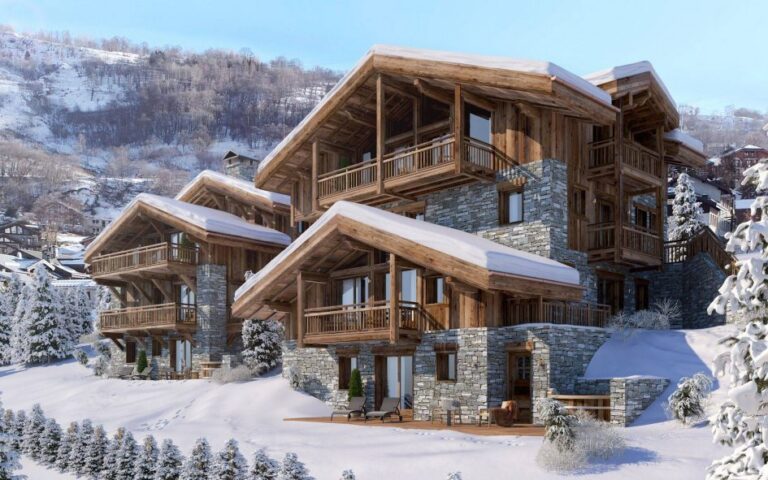
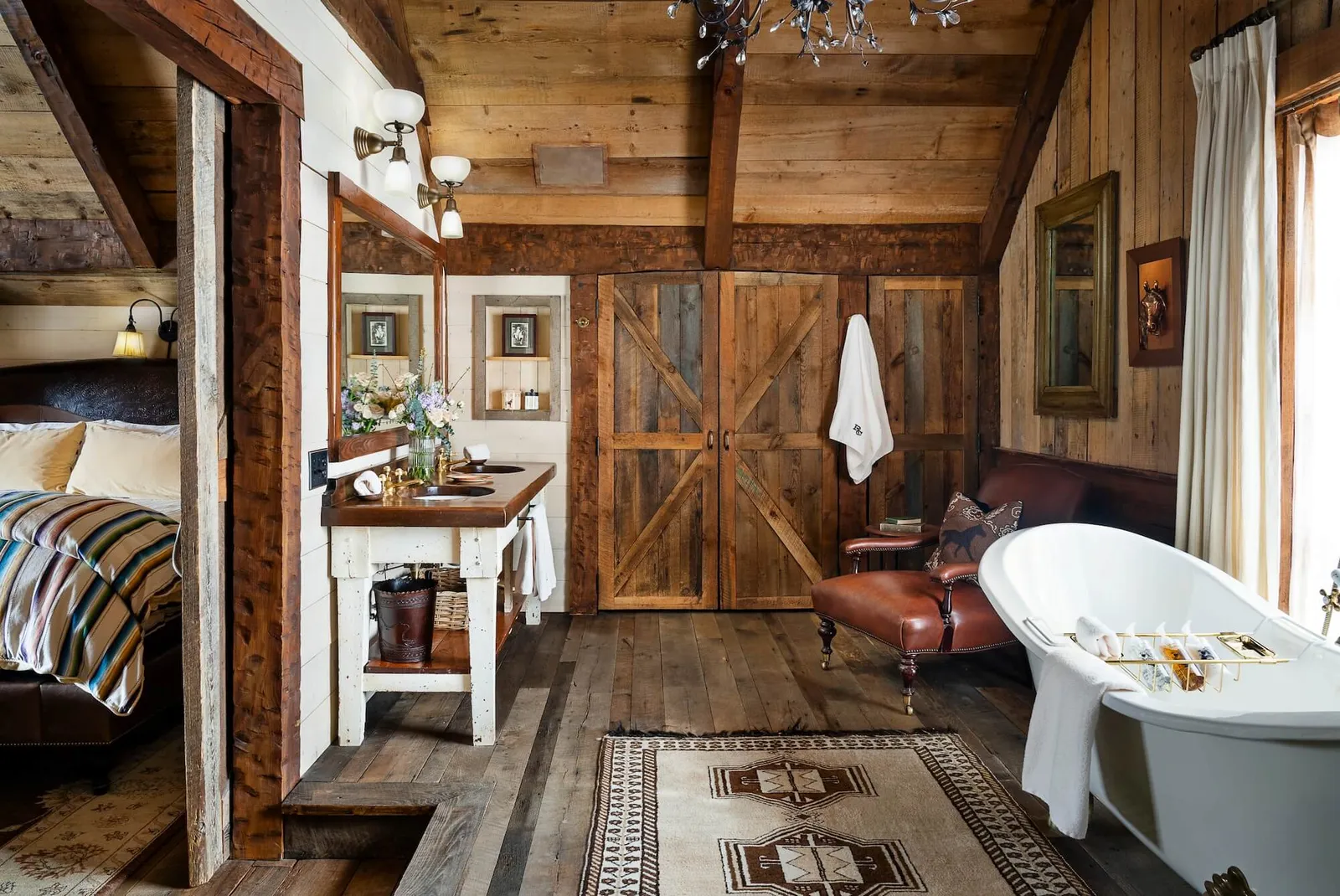
Evaluating the best secluded chalet hotels united states involves navigating complex terminology across architectural history, real estate development, and remote hospitality management. Asset analysts and luxury travel coordinators frequently conflate suburban forest rentals or crowded resort townhomes with truly private, architecturally distinct mountain chalets featuring bespoke timber joinery, uncompromised sightline privacy, and dedicated off-grid utility systems. However, this general assumption obscures massive structural variances in regional geography, snowpack mechanics, forest fire ecology, and local zoning protections across the Rocky Mountains, the Pacific Northwest, the Blue Ridge, and northern New England.
For instance, an isolated mountain chalet nestled within a high-elevation subalpine basin in the Northern Rockies requires heavy-gauge structural timber framing, continuous snow-load engineering, and specialized micro-hydro or solar-battery microgrid redundancy. Conversely, a secluded woodland chalet in the dense deciduous forests of the East Coast prioritizes high-humidity moisture barriers, rot-resistant native wood species, and localized septic management. Therefore, hospitality operators and estate investors must inspect micro-level zoning laws, forest buffer setbacks, and structural engineering specifications closely.
Analytical Rigor versus Surface Impressions
True expertise in evaluating elite remote lodging portfolios requires balancing quantitative structural resilience metrics against qualitative measures of isolation. Unlike urban boutique hotels that rely on municipal utility grids and dense public service networks, secluded wilderness properties exist within isolated, highly demanding natural environments. When experienced operators analyze the best secluded chalet hotels united states, they look past superficial marketing tropes highlighting rustic-chic interior staging. Instead, they assess buffer zone widths between neighboring parcels, acoustic dampening topography, independent emergency power backups, and fire-mitigation perimeters. Ultimately, failing to master these engineering and operational realities leads directly to structural vulnerability, excessive maintenance overheads, and compromised guest security.
Deep Contextual Background
The historical evolution of secluded high-end chalet architecture in the United States traces back to nineteenth-century railway exploration lodges, national park conservation cabins, and the post-war expansion of private wilderness estates in states like Montana, Wyoming, Colorado, and New York. During this foundational era, builders utilized massive hand-hewn logs, native stone hearths, and steep roof pitches designed to shed heavy winter precipitation, establishing the baseline for American mountain vernacular.
Following the late-twentieth-century expansion of experiential ecotourism and private enclave design, remote lodging underwent a structural shift toward bespoke architectural sanctuaries. Independent developers began blending traditional European alpine chalet forms with modern American spatial layouts, incorporating expansive glass walls to frame uninterrupted forest and mountain vistas. In recent decades, the shift toward digital detox retreats and ultra-luxury privacy has accelerated the demand for architecturally daring, highly sustainable remote sanctuaries. Today, contemporary American secluded chalets rely on engineered mass timber, advanced closed-loop geothermal systems, and smart building automation to oversee high-value portfolios safely.
Conceptual Frameworks and Mental Models
Successfully evaluating and developing premier remote chalet properties across the United States requires deploying rigorous analytical models. These models balance absolute visual isolation against environmental resilience.
-
The Sightline-Isolation Index: Measures the physical distance, topographical shielding, and dense vegetation buffers required between adjacent structures to guarantee absolute visual and acoustic privacy for guests.
-
The Off-Grid Utility Redundancy Matrix: Operators evaluate how primary power, water, and waste systems are backed up by secondary and tertiary closed-loop micro-infrastructure to ensure uninterrupted comfort during severe weather isolation.
-
The Topographical Climate-Load Continuum: Analyzes the strategic trade-off between choosing a deeply hidden valley location—which offers superior wind protection but higher flood or heavy snow-accumulation risks—versus an exposed ridge placement.
Key Categories and Variations
The landscape of premier secluded chalet properties across the United States comprises several distinct structural and architectural variations.
| Chalet Category | Primary Regional Focus | Typical Architectural Features | Strategic Trade-off |
| High-Alpine Sub-Alpine Timber Sanctuaries | Montana, Wyoming, Colorado | Massive log frames, steel-reinforced glass, steep snow-shedding roofs | Unrivaled mountain seclusion; extreme winter weather and short operational windows |
| Pacific Northwest Rainforest Glass Chalets | Washington, Oregon, Northern California | Post-and-beam glulam timber, floor-to-ceiling glass, extended roof overhangs | Deep temperate forest immersion; high moisture management and rot prevention costs |
| New England Granite and Cedar Enclaves | Maine, Vermont, New Hampshire | Native stone foundations, vertical cedar siding, slate roofs | Classic historical aesthetic; intensive freeze-thaw maintenance requirements |
| Appalachian Ridge Forest Retreats | North Carolina, Tennessee, Virginia | Reclaimed barn wood, wide wrap-around porches, stone outdoor fireplaces | Misty mountain privacy; high humidity control and seasonal insect management |
| Great Lakes Shoreline Timber Hideaways | Minnesota, Michigan, Wisconsin | Heavy post-and-beam construction, massive hearths, private deep-water docks | Peaceful water isolation; heavy lake-effect snow loads and sub-zero temperatures |
| Desert Canyon and Mesa Stone Chalets | Utah, Arizona, Southwest | Rammed earth, native sandstone accents, cantilevered glass shading | Profound desert quietude; extreme diurnal temperature swings and water hauling logistics |
Realistic Decision Logic
Selecting an appropriate design and operational model for the best secluded chalet hotels united states requires aligning local environmental severity with target guest privacy expectations. For properties situated within dense, high-precipitation temperate rain forests, prioritizing post-and-beam glue-laminated timber framing with raised post foundations prevents ground moisture absorption while preserving delicate forest root systems. Conversely, for secluded alpine ridge properties in snow-heavy mountain ranges, engineering reinforced structural frames with automated snow-melt heating loops ensures safe winter habitation without risking structural collapse from heavy drifting.
Detailed Real-World Scenarios
1. The Deep-Forest Timber Preservation Protocol in Washington
An exclusive secluded chalet resort nestled deep within a dense temperate rainforest implements a comprehensive bi-annual wood-treatment cycle utilizing specialized marine penetrating oils, successfully preventing moss accumulation and wood rot on exposed cedar structures without disrupting the surrounding understory.
2. The Off-Grid Microgrid Integration in the Montana Wilderness
A luxury mountain chalet estate located miles from the nearest municipal utility line installs a hybridized solar-array, lithium-iron battery bank, and auto-start backup propane generator system, ensuring uninterrupted luxury power for guests during prolonged winter blizzards.
3. The Wildfire Defensible Space Clearing in the Blue Ridge Mountains
Facing increasing regional wildfire threats, a remote woodland chalet property establishes a meticulously managed 100-foot non-combustible zone featuring cleared underbrush, native stone ground cover, and automated rooftop sprinkler systems fed by private water cisterns.
4. The Avalanche-Deflection Engineering in a Wyoming Canyon
A boutique chalet compound tucked into a narrow mountain pass constructs reinforced concrete retaining walls and engineered deflection wedges, safely routing seasonal avalanche debris around guest quarters while preserving complete wilderness quietude.
Planning, Cost, and Resource Dynamics
The economic viability and financial budgeting of premier secluded chalet properties depend heavily on balancing extraordinary off-grid construction and maintenance costs against high-yield luxury rental returns.
-
Remote Site Construction and Logistics Outlays: Transporting heavy building materials, specialized cranes, and skilled labor to isolated forest or mountain sites incurs massive logistical premiums.
-
Autonomous Utility Infrastructure Investment: Installing independent water wells, advanced septic treatment systems, and private power generation networks demands substantial capital expenditure.
-
Opportunity Costs: Failing to account for strict environmental buffer regulations, seasonal road closures, and narrow construction windows can cause severe project delays and budget overruns.
| Cost Dimension | Standard Roadside Cabin | Upscale Resort Chalet | Ultra-Exclusive Secluded Wilderness Chalet |
| Capital Infrastructure Cost | Low standard commercial building and utility hookups | Moderate investment in premium finishes and grid access | Extraordinary capital outlays for custom off-grid engineering and remote logistics |
| Utility Management & Maintenance | Municipal utility billing and standard repairs | Professional resort facilities management | Full-time on-site technical staff, microgrid servicing, and well maintenance |
| Logistical Access Overhead | Direct highway access and standard waste pickup | Private resort driveway maintenance and snow plowing | Specialized 4×4 transport fleets, snowcats, or seasonal air access support |
Tools, Strategies, and Support Systems
Executing successful development and management across remote chalet properties requires integrating advanced digital planning and environmental monitoring systems.
-
Geographic Information Systems (GIS) Topographical Mapping: Advanced spatial software analyzing slope stability, solar orientation, and exact sightline buffer distances to guarantee total property privacy.
-
Remote IoT Microgrid and Utility Telemetry: Digital monitoring devices tracking battery storage levels, water reservoir volumes, and generator status from off-site management hubs.
-
Automated Meteorological and Wildfire Early Warning APIs: Specialized meteorological feeds providing real-time data on local wind vectors, lightning strikes, and humidity drops.
-
Satellite-Linked High-Bandwidth Communications Networks: Secure satellite internet systems ensuring uninterrupted guest connectivity and operational oversight in remote forest dead zones.
-
Automated Smart-Home Environmental Controllers: Remote-access climate systems optimizing interior temperatures and humidity levels during vacancy periods to prevent pipe freezing or mold growth.
-
Helicopter and Tracked-Vehicle Logistics Portals: Digital dispatch software coordinating specialized transport for heavy maintenance supplies during seasonal road washouts or heavy snowfalls.
Risk Landscape and Failure Modes
Operating high-end secluded wilderness properties introduces severe environmental and operational vulnerabilities that require comprehensive risk mitigation.
-
Catastrophic Utility Isolation During Severe Weather: Extended blizzards or severe storms severing access roads and knocking out primary solar or generator systems, stranding guests without power.
-
Undetected Water System Ingress or Pipe Freezing: Sub-zero temperatures freezing autonomous well supply lines or septic pumps during vacant shoulder periods, causing severe property damage.
-
Uncontrolled Wildfire Encroachment: Rapidly moving forest fires threatening remote wood-framed structures before emergency evacuation or defense systems can engage.
-
Severe Structural Damage from Falling Timber: Heavy winds or snow loads toppling aging canopy trees onto roofs, compromising structural envelopes.
-
Strict Environmental and Zoning Compliance Violations: Constructing unauthorized expansions or clearing protected forest buffer zones, triggering heavy regulatory fines and mandatory teardowns.
Governance, Maintenance, and Long-Term Adaptation
Maintaining elite standards across secluded chalet properties requires rigorous internal auditing and structured maintenance cycles.
-
Pre-Winter Infrastructure and Generator Stress Audits: Comprehensive checks of backup generator fuel levels, microgrid inverter efficiencies, and well-pump insulation forty-five days prior to winter freeze periods.
-
Mid-Season Forest Health and Tree Hazard Assessments: Quarterly inspections of tall canopy trees surrounding structures to identify dead limbs or wind-weakened trunks before severe storms arrive.
-
The Layered Secluded Chalet Maintenance Checklist:
-
Water System Freeze Protection: Inspect heat-trace cables and insulation on exposed exterior well lines before sub-zero temperatures arrive.
-
Defensible Space Maintenance: Clear fallen leaves, pine needles, and dry underbrush from gutters and perimeters monthly during fire seasons.
-
Microgrid Battery Calibration: Run full diagnostic load tests on lithium-iron battery banks and inverter systems bi-monthly to verify storage capacity.
-
Access Road and Culvert Clearing: Inspect drainage culverts and gravel roadbeds for erosion following heavy spring snowmelts or autumn rains.
-
Measurement, Tracking, and Evaluation
-
Leading Indicators: Timely completion of pre-winter microgrid audits, defensible space fuel-reduction clearances, and backup generator test run logs serve as early operational health signals.
-
Lagging Indicators: Total annual maintenance repair costs, off-grid energy uptime percentages, and guest privacy satisfaction scores measure overall asset success.
-
Documentation Standards: Maintaining an exhaustive digital archive tracking architectural blueprints, autonomous utility schematics, maintenance service logs, and seasonal weather reports.
-
Benchmarking Analysis: Regularly comparing structural durability, off-grid efficiency ratios, and guest seclusion ratings against competing luxury wilderness portfolios nationwide.
Common Misconceptions and Oversimplifications
-
“Any wooden cabin located away from a major city qualifies as a premier secluded chalet.” True secluded chalets require distinct architectural vernacular, engineered climate resilience, and absolute visual and acoustic privacy rather than standard suburban framing.
-
“Off-grid wilderness properties inevitably sacrifice luxury guest amenities.” Modern autonomous engineering allows remote chalets to feature high-speed satellite internet, heated flooring, gourmet kitchens, and luxury spa bathrooms seamlessly.
-
“Standard residential building materials perform reliably in isolated forest or mountain environments.” High humidity, extreme temperature swings, and heavy snowloads demand commercial-grade timber treatments, reinforced framing, and specialized fastening systems.
-
“Secluded properties face minimal regulatory or zoning oversight due to their distance from towns.” Strict state environmental commissions, federal forest service buffer rules, and local watershed protections make remote permitting exceptionally complex.
-
“Winter weather is the only seasonal hazard threatening remote mountain chalets.” Forested alpine and ridge properties contend with compounded hazards, including severe spring mudslides, summer wildfire risks, and autumn windstorms.
-
“Autonomous utility systems operate without human intervention or scheduled oversight.” Off-grid microgrids, well pumps, and backup generators require rigorous preventative maintenance schedules and technical monitoring to prevent failure.
Ethical, Practical, and Contextual Considerations
Developing and operating elite secluded wilderness properties carries profound responsibilities regarding forest ecosystem preservation, wildlife habitat protection, and dark-sky conservation. Property owners and developers must ensure that building footprints, exterior lighting arrays, and access roads do not disrupt nocturnal animal migrations, bird nesting corridors, or fragile native watersheds. Furthermore, respecting local rural communities and contributing to regional emergency services infrastructure ensures that luxury wilderness tourism supports surrounding mountain populations rather than burdening them.
Conclusion
The conceptualization, engineering, and operation of premier remote retreats represent a sophisticated synthesis of architectural discipline, autonomous systems engineering, and ecological respect. When developers master the complexities governing the best secluded chalet hotels united states, structured engineering methodologies move properties past superficial rustic aesthetics to achieve true wilderness resilience. Success in this specialized sector requires balancing absolute visual privacy, off-grid utility independence, and meticulous long-term asset governance. Through patience and editorial rigor, stakeholders can protect their capital investments and guarantee exceptional, enduring wilderness experiences across the nation’s most breathtaking hidden landscapes.