Luxury Chalet Hotels USA: American Alpine Resort Guide
Operating top-tier alpine lodging assets across the United States requires navigating intense capital expenditure cycles, complex municipal zoning regulations, and severe seasonal demand compression. Across major American mountain ranges, property developers and asset managers frequently merge European timber-framing traditions with rugged Western architectural heritage. Therefore, stakeholders must evaluate investment and operational strategies carefully. Surface-level hospitality guides often fail to capture the profound structural realities of American mountain real estate. Securing high yields and long-term asset appreciation requires managing intricate trade-offs between architectural isolation, slope-side convenience, and sophisticated wellness amenities. Consequently, these factors tie property positioning and service models directly to long-term valuation.
Furthermore, analyzing these elite hospitality assets sheds light on broader economic pressures governing modern American mountain tourism. Changing climate patterns, shifting demographic preferences, and rising land acquisition costs have fundamentally transformed how operators approach resort development. Properties that successfully balance rustic alpine aesthetics with world-class wellness facilities serve as stable economic anchors within regional tourism markets. Consequently, mastering the characteristics of high-end mountain lodging requires a rigorous analytical approach. This inquiry explores the deep systemic factors shaping elite American resort properties.
Ultimately, achieving a comprehensive understanding of premier mountain accommodations demands a structured framework. By breaking down how properties handle architectural design, geographical zoning, seasonal yield management, and guest service integration, stakeholders navigate the competitive landscape of American alpine real estate effectively. Therefore, this guide serves as a definitive reference for understanding lodging mechanics. It outlines the strategic choices that govern elite mountain resort experiences across the country.
Understanding “Luxury Chalet Hotels USA”
Semantic Ambiguity and Architectural Boundaries
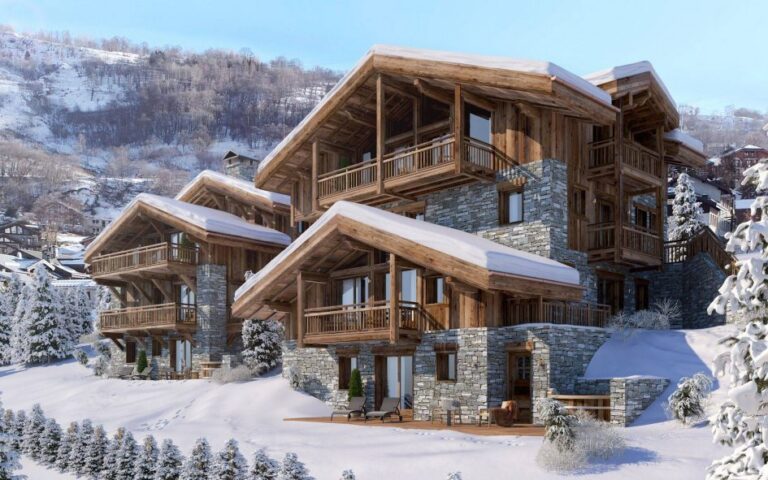
Evaluating the classification and operational standards involved in luxury chalet hotels usa requires navigating profound semantic ambiguity across real estate development, hospitality rating systems, and tourism marketing sectors. Asset owners, travel editors, and discerning guests frequently conflate traditional freestanding European ski chalets, fully serviced luxury resort hotels, private alpine club residences, and historic mountain lodges. However, this broad generalization obscures massive variances in spatial autonomy, service depth, and legal ownership structures. For instance, renting a private standalone chalet in Aspen offers complete spatial privacy but limited on-demand restaurant dining. Conversely, staying in a branded resort hotel in Vail provides 24-hour room service and integrated spa facilities but reduced architectural isolation. Therefore, analysts must inspect micro-level property specifications closely. Architectural zoning laws and service-tier integration demand constant oversight.
Aesthetic Heritage versus Modern Engineering Luxury
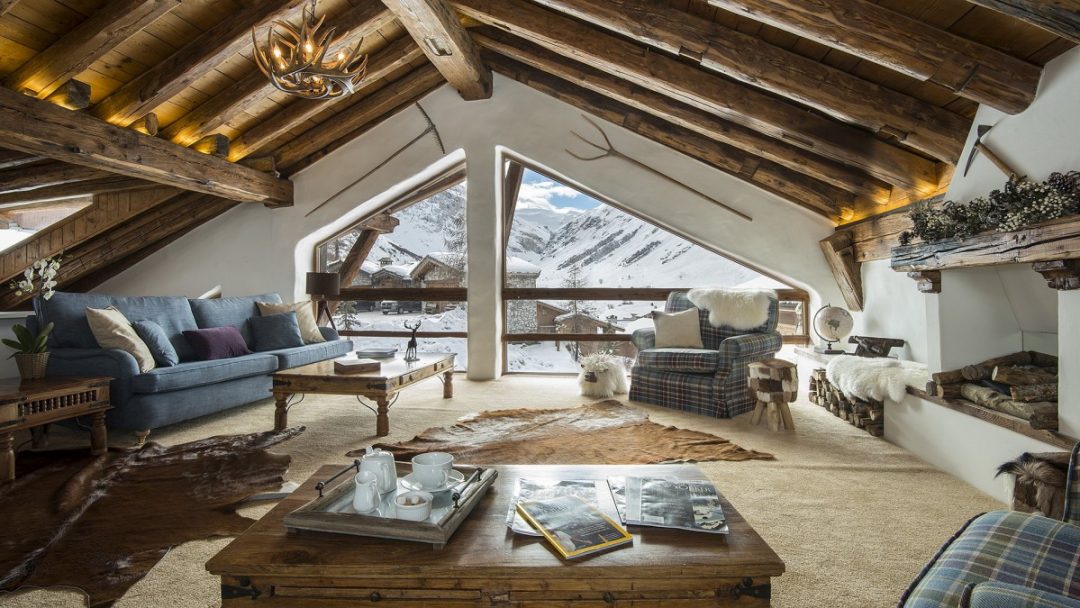
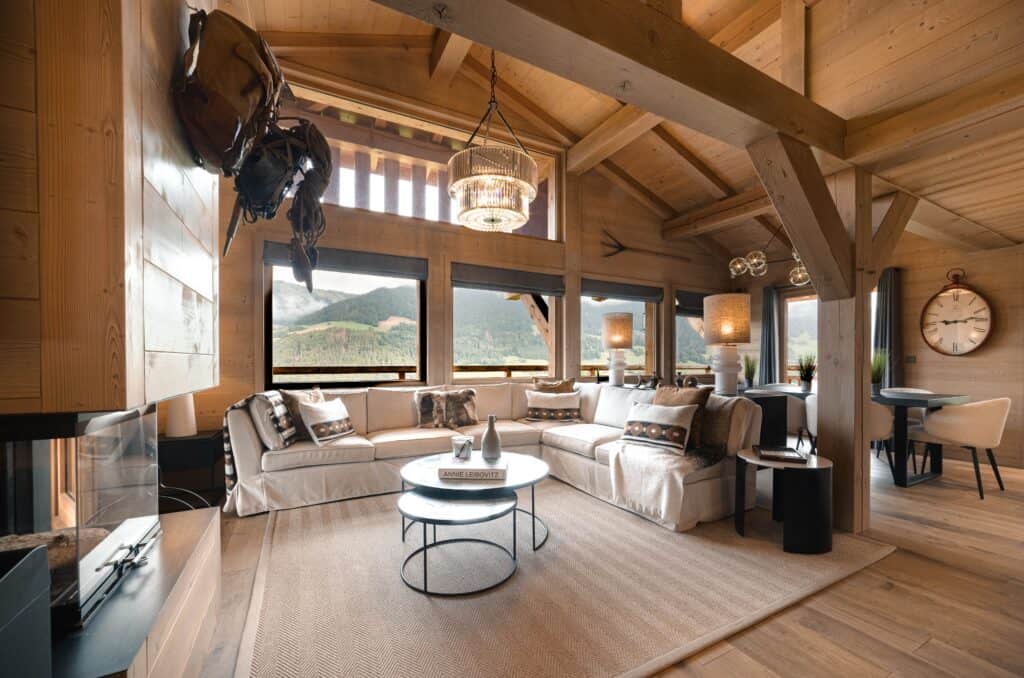
True excellence within high-altitude American hospitality requires harmonizing rustic alpine aesthetics with cutting-edge engineering standards. Unlike traditional European chalets that evolved organically over centuries within dense alpine farming communities, American mountain properties are often purpose-built luxury retreats designed to withstand extreme freeze-thaw cycles while delivering uncompromising interior comfort. Consequently, structural durability and sophisticated climate control are foundational requirements for top-tier asset survival. Evaluators must look past superficial timber-and-stone facades to assess actual building envelope integrity and service infrastructure accurately. Ultimately, failing to master these operational realities leads directly to guest dissatisfaction and depreciated asset valuations.
Deep Contextual Background
The historical evolution of mountain hospitality architecture in the United States traces back to early mining towns, railway outposts, and rustic national park lodges constructed during the late nineteenth and early twentieth centuries. During this foundational era, properties like those in Aspen and Jackson Hole prioritized functional shelter and rugged durability over refined luxury. These early mountain structures relied heavily on local heavy timber, native stone, and simple wood-burning hearths, establishing the visual vocabulary of the American Western frontier.
Following the post-war expansion of commercial ski resorts across Colorado, Utah, and Wyoming, American mountain architecture underwent a radical transformation. Independent lodges evolved into sophisticated boutique hotels and sprawling alpine villages inspired by classic European ski destinations. Furthermore, this commercial maturation introduced complex interior engineering, including indoor aquatic centers, heated slope-side aprons, and expansive subterranean parking garages. In recent decades, the rise of branded luxury management companies has standardized five-star service delivery within remote alpine settings. Today, contemporary high-end mountain properties are driven by advanced sustainable building technologies, smart energy automation, and bespoke interior design, turning historical frontier outposts into architectural masterpieces.
Conceptual Frameworks and Mental Models
Successfully evaluating and classifying premier alpine resort accommodations requires deploying rigorous analytical models. These models balance architectural design against functional operational efficiency.
1. The Spatial Autonomy versus Hotel Services Matrix
This mental model measures the balance between private spatial independence—such as whole-chalet buyouts and multi-room residences—and integrated hotel amenities like fine dining and housekeeping. It evaluates how different properties cater to varying guest desires for privacy versus convenience.
2. The Geographical Isolation versus Accessibility Spectrum
High-end American resorts span from deeply remote wilderness valleys to bustling master-planned village centers. Therefore, this framework analyzes how travel time from major international airports impacts guest logistics and property valuation.
3. The Architectural Authenticity versus Modern Engineering Balance
Alpine properties must blend traditional aesthetic motifs with high-performance modern building science. Consequently, this mental model calculates how thermal insulation, snow-load engineering, and structural framing support luxury interior finishes.
Key Categories and Variations
The landscape of premier mountain lodging across the United States comprises several distinct commercial and architectural variations.
| Property Category | Primary Architectural Style | Operational Model | Strategic Trade-off |
| Boutique Slopeside Hotels | European alpine timber and stone | Full-service hotel management | High convenience; lower spatial privacy |
| Exclusive Private Residences | Modern glass-and-steel mountain style | Self-contained luxury rental management | Ultimate privacy; limited on-site dining options |
| Full-Service Branded Resorts | Contemporary Western lodge fusion | Global hospitality brand operation | Comprehensive amenities; standardized guest experience |
| Historic Mining Town Conversions | Restored Victorian and frontier facades | Boutique independent hospitality | High cultural character; potential spatial constraints |
| Master-Planned Village Chalets | Neo-traditional alpine chalet clusters | Condominium-hotel hybrid management | Strong rental yields; high pedestrian traffic outside |
| Remote Wilderness Retreats | Heavy timber and regional stone craft | High-end all-inclusive experiential lodge | Complete seclusion; expensive logistics and transport |
Realistic Decision Logic
When travelers and asset evaluators review options regarding luxury chalet hotels usa, selecting an appropriate property category requires aligning travel motivations with resort infrastructure. For visitors prioritizing immediate access to world-class ski terrain and fine dining, booking a slopeside boutique hotel in Deer Valley or Vail delivers unmatched convenience. Conversely, for large multi-family groups seeking complete privacy and custom-tailored itineraries, renting an exclusive private chalet residence in Aspen or Jackson Hole provides superior spatial control. Therefore, stakeholders must carefully weigh these architectural and operational trade-offs against budgetary constraints and activity preferences.
Detailed Real-World Scenarios
1. The Slopeside Convenience versus Pedestrian Congestion Dilemma
A luxury hotel situated directly adjacent to a primary ski lift in Vail offers seamless ski-in, ski-out access for its guests. However, during peak holiday weeks, the heavy foot traffic on the public plaza directly outside the property creates significant noise and congestion. Management must deploy private security and enhanced sound-insulation measures to preserve the tranquil interior ambiance expected by high-paying guests.
2. The Remote Wilderness Isolation versus Logistics Challenge
A high-end experiential lodge located deep within the Rocky Mountain foothills provides extraordinary natural privacy and wildlife viewing. During an unexpected spring blizzard, the sole access road is temporarily closed by local authorities. Because the property relies on scheduled daily truck deliveries for fresh culinary supplies, management must activate emergency food and energy redundancy plans to maintain guest comfort.
3. The Historic Downtown Conversion versus Spatial Limitation
A boutique property housed within a restored nineteenth-century mining building in an iconic Colorado mountain town offers immense historic charm and walkable access to local boutiques. However, the historic structural footprint prevents the installation of an underground subterranean parking garage or a full-scale subterranean wellness spa, requiring guests to utilize off-site parking facilities.
4. The Branded Residence Ownership and Rental Pooling Conflict
An owner of a private residence within a branded mountain resort hotel places their property into the mandatory rental pool. When the hotel management schedules a massive interior renovation of public common areas during the early winter season, rental revenues are temporarily disrupted, sparking a contractual dispute between the property owner and resort operators.
Planning, Cost, and Resource Dynamics
The economic viability and pricing structure of elite American alpine lodging depend on balancing capital construction outlays against seasonal operational labor overhead.
-
Direct Capital Outlays: Acquiring prime real estate in top-tier US mountain towns and constructing heavy timber frameworks drives extraordinary initial investment.
-
Operational Labor Overhead: Maintaining professional ski concierges, private chefs, and round-the-clock maintenance staff requires continuous financial commitment.
-
Opportunity Costs: Failing to maximize average daily rates during compressed winter holiday windows results in severe annual revenue shortfalls.
| Cost Dimension | Urban Luxury Hotel Operations | Standard Mountain Resort Stay | Elite US Alpine Chalet Property |
| Land Acquisition Cost | Extremely High (dense metropolitan core) | Moderate (growing regional resort hub) | Peak (limited geographic supply in elite ski towns) |
| Seasonal Revenue Compression | Low (year-round steady business travel) | High (concentrated winter and summer peaks) | Extreme (intense holiday spikes and shoulder slumps) |
| Engineering and Maintenance Burden | Standard commercial building upkeep | Moderate weather exposure | Intensive (snow-load, freeze-thaw, and remote logistics) |
| Staffing and Concierge Intensity | Standard urban concierge services | Moderate guest assistance | Bespoke (ski valets, private drivers, and private chefs) |
Tools, Strategies, and Support Systems
Executing successful operations and evaluations for top-tier American mountain properties requires integrating specialized digital platforms and high-end asset management tools.
-
Property Management Systems (PMS): Centralized software platforms configured to manage complex multi-unit reservations, owner billing ledgers, and housekeeping schedules.
-
Exclusive Concierge and Itinerary Software: Digital platforms used to record guest preferences, ski equipment rentals, private mountain guide bookings, and dining reservations.
-
Smart Building Automation Systems (BMS): Advanced IoT networks monitoring real-time HVAC efficiency, snow-melt driveway sensors, and pipe freeze-prevention telemetry.
-
High-End Distribution Channel Managers: Specialized software connecting exclusive alpine inventory directly with ultra-luxury travel agencies and bespoke tour operators.
-
Preventive Maintenance Tracking Platforms: Digital asset management systems scheduling cyclical inspections for heavy timber structures, boilers, and roof snow-management systems.
-
Secure Financial Ledger Systems: Encrypted accounting tools designed to handle multi-currency transactions, complex deposit milestones, and owner revenue splits.
Risk Landscape and Failure Modes
Operating and investing in high-altitude American hospitality assets introduces unique vulnerabilities that can compromise financial returns and structural integrity if unmitigated.
-
Severe Seasonal Revenue Volatility: Over-relying on a single winter snow season can lead to catastrophic financial losses if unseasonably warm weather or drought occurs.
-
Extreme Labor Shortages in Isolated Markets: The high cost of local housing in elite ski towns makes recruiting and retaining skilled hospitality staff exceptionally difficult.
-
Catastrophic Weather and Geotechnical Damage: Unmitigated avalanche risks, heavy snow loads, and spring mudslides can cause severe structural damage and prolonged property closures.
-
Brand Erosion from Inconsistent Service Delivery: Failing to maintain rigorous five-star service standards during peak holiday surges can permanently damage a luxury property’s reputation.
-
Regulatory and Environmental Constraints: Strict municipal zoning laws and environmental protection mandates can severely restrict expansion and renovation projects.
Governance, Maintenance, and Long-Term Adaptation
Maintaining elite physical and operational standards across high-altitude American lodging portfolios requires rigorous governance protocols and cyclical reviews.
-
Pre-Winter Engineering and Envelope Audits: Systematic technical inspections of roof trusses, snow-fence arrays, heating boilers, and window seals prior to the arrival of sub-zero temperatures.
-
Cyclical Staff Training and Service Workshops: Regular educational programs for front-desk, valet, and concierge teams regarding safety protocols and ultra-luxury guest relations.
-
The Layered Operational Checklist:
-
Structural Snow-Load Verification: Confirm that all roof snow-melt systems, gutters, and structural load-bearing supports are fully operational.
-
Utility Redundancy Check: Test backup generators, verify fuel storage levels, and inspect heat trace cables on all exterior water pipes.
-
Concierge Partner Synchronization: Reconcile all local ski school, guide, and restaurant partnership agreements for the upcoming operating season.
-
Post-Season Financial and Asset Review: Complete a comprehensive audit of utility consumption, maintenance work orders, and net operating income within forty-days of season closure.
-
Measurement, Tracking, and Evaluation
-
Leading Indicators: Advance booking pacing reports, spa and dining reservation velocity, and pre-season staff retention percentages serve as early health signals.
-
Lagging Indicators: Net operating income, RevPAR (Revenue Per Available Room), guest satisfaction indices, and repeat guest retention rates measure overall success.
-
Documentation Standards: Maintaining an exhaustive digital archive tracking historical architectural blueprints, engineering inspection reports, financial statements, and guest feedback logs.
-
Benchmarking Analysis: Regularly comparing average daily rates, occupancy percentages, and guest service scores against competitive regional luxury alpine portfolios.
Common Misconceptions and Oversimplifications
-
“All luxury mountain properties in the United States offer true ski-in, ski-out access.” Many high-end hotels and chalets require private shuttle transportation or short walks to reach ski lifts, despite their proximity to mountain bases.
-
“American ski chalets mirror the identical architectural and cultural traditions of Swiss and French Alpine chalets.” US mountain architecture heavily integrates Western frontier heritage, massive heavy timber framing, and modern open-plan American layouts.
-
“Investing in mountain resort real estate guarantees continuous, unmitigated year-round financial returns.” Alpine properties experience sharp seasonal revenue fluctuations, requiring skilled yield management to remain profitable during shoulder months.
-
“Booking a branded resort hotel provides the exact same spatial experience as renting a private chalet.” Branded hotels offer extensive on-site staff and shared amenities, whereas private chalets prioritize exclusive spatial autonomy and seclusion.
-
“High-altitude mountain infrastructure requires minimal maintenance during the summer off-season.” Summer and autumn months represent the critical window for executing heavy structural maintenance, roof repairs, and utility upgrades before winter arrives.
-
“Online travel agency ratings provide an infallible guide to the finest alpine accommodations.” Standard consumer review sites often conflate budget properties with ultra-luxury assets, necessitating professional editorial evaluation to identify true top-tier properties.
Ethical, Practical, and Contextual Considerations
Operating and visiting elite high-altitude American accommodations carries profound ethical responsibilities regarding environmental stewardship, community workforce housing, and respectful land use. Property operators must ensure that resort development respects fragile alpine ecosystems, local wildlife corridors, and watershed protections. Furthermore, addressing the severe workforce housing shortage in resort towns is critical to maintaining a stable, fairly compensated local labor force. By upholding transparent, environmentally conscious, and socially responsible operational practices, stakeholders ensure that American mountain tourism remains vibrant, ethical, and sustainable for future generations.
Conclusion
The evolution of premier high-altitude hospitality within the United States represents a crowning achievement of modern resort engineering and architectural design. By synthesizing rugged Western heritage with sophisticated luxury, the properties examined reflect the pinnacle of mountain living. Success in this specialized sector requires moving past surface-level marketing claims to master structural durability, seasonal yield management, and bespoke guest service delivery. Through patience, editorial rigor, and an unwavering commitment to operational excellence, stakeholders can sustain these vital alpine destinations for generations to come.