Luxury Alpine Resorts USA: Ultimate American Mountain Guide
Examining the administrative, architectural, and economic dynamics of elite high-altitude retreats reveals a sophisticated subsector of American hospitality that extends far beyond standard winter ski accommodations. While traditional alpine lodging traces its functional heritage back to European mountaineering shelters, domestic high-elevation destinations have evolved into complex, year-round ecosystems. However, surface-level travel media frequently reduce these premier mountain enclaves to simplistic promotional backdrops or crowded weekend destinations. Furthermore, resort asset managers continually refine their operational models to reconcile surging guest volumes with fragile ecological preservation mandates. As a result, long-term asset value and guest satisfaction depend heavily on rigorous infrastructure planning and data-driven hospitality management.
Additionally, achieving structural longevity across high-elevation real estate portfolios requires balancing delicate trade-offs between open public access and strict environmental protection. For instance, properties must manage expansive front-country hospitality hubs alongside isolated backcountry access points. Consequently, these operational decisions tie resource preservation directly to proactive carrying-capacity modeling. Moreover, analyzing specialized federal and private land management workflows sheds light on broader shifts in contemporary mountain recreation economics. Therefore, this guide details luxury alpine resorts usa across elite domestic mountain portfolios.
Understanding luxury alpine resorts usa
Semantic Ambiguity and Structural Boundaries
Evaluating luxury alpine resorts usa involves navigating complex terminology across real estate development, hospitality management, and alpine geography. Asset analysts and luxury travel coordinators frequently conflate standardized ski resort townhouses with truly elite, architecturally distinct mountain sanctuaries featuring private ski-in/ski-out access, bespoke wellness spas, and dedicated butler services. However, this general assumption obscures massive structural variances in regional geography, snowpack mechanics, and zoning regulations across the Rocky Mountains, the Wasatch Range, the Tetons, and New England.
For instance, a high-altitude sanctuary nestled in the rugged jagged peaks of Jackson Hole requires heavy-gauge structural steel reinforcement and specialized avalanche-mitigation engineering. Conversely, a luxury woodland lodge in the Green Mountains of Vermont prioritizes historic architectural integration, humidity control, and native stone masonry. Therefore, hospitality operators and estate investors must inspect micro-level zoning laws, climate loads, and structural engineering specifications closely.
Analytical Rigor versus Surface Impressions
True expertise in evaluating premier mountain hospitality portfolios requires balancing quantitative building efficiency metrics against qualitative aesthetic placement. Unlike standardized urban boutique hotels that rely on dense city infrastructure, high-elevation properties exist within fragile, isolated ecosystems. When experienced operators analyze luxury alpine resorts usa, they look past superficial marketing tropes like rustic-chic interior staging. Instead, they assess foundation load-bearing capacities, localized snow-shedding roof pitches, and independent auxiliary power redundancy. Ultimately, failing to master these engineering and operational realities leads directly to structural degradation, high maintenance overheads, and compromised guest safety.
Deep Contextual Background
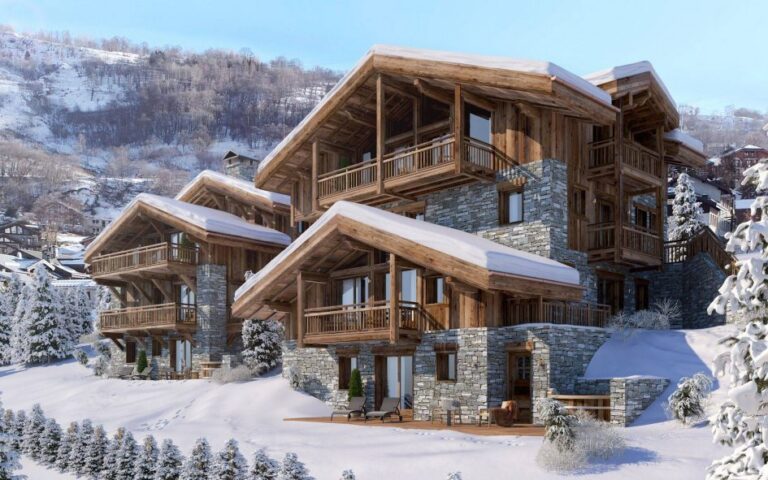
The historical evolution of high-altitude resort architecture in the United States traces back to nineteenth-century railway tourism, early national park lodge construction, and the post-World War II expansion of destination ski culture in states like Colorado, Utah, and Idaho. During this foundational era, builders utilized massive hand-hewn logs, native stone hearths, and steep roof pitches designed to shed heavy winter snowfalls, establishing the baseline for American mountain vernacular.
Following the late-twentieth-century corporate consolidation of major ski mountains, mountain lodging underwent a structural shift toward master-planned resort villages and branded luxury flag properties. Independent developers began blending traditional European chalet forms with modern American spatial layouts, incorporating expansive glass walls to frame dramatic valley vistas. In recent decades, the shift toward ultra-luxury experiential travel and private club membership models has accelerated the demand for architecturally daring, highly sustainable mountain retreats. Today, contemporary high-altitude estates rely on mass-timber engineering, geothermal energy loops, and smart building automation to oversee high-value portfolios safely.
Conceptual Frameworks and Mental Models
Successfully evaluating and developing elite mountain properties across the United States requires deploying rigorous analytical models. These models balance architectural ambition against environmental resilience.
-
The Architectural-Site Harmony Index: Measures how seamlessly a structure integrates into its native topography, ensuring that heavy civil engineering does not compromise the surrounding wilderness aesthetic.
-
The Climate-Load Engineering Matrix: Property operators evaluate how extreme seasonal temperature swings, wind shear, and heavy snowpacks impact structural longevity and ongoing maintenance costs.
-
The Isolation-Accessibility Continuum: Analyzes the strategic trade-off between absolute wilderness seclusion and the logistical costs of supplying and servicing a remote high-elevation estate.
Key Categories and Variations
The landscape of premier mountain properties across the United States comprises several distinct structural and architectural variations.
| Resort Category | Primary Regional Focus | Typical Architectural Features | Strategic Trade-off |
| Rocky Mountain Timber Estates | Aspen, Vail, Telluride | Heavy log framing, massive stone fireplaces, steep gable roofs | Classic alpine aesthetic; high ongoing wood maintenance requirements |
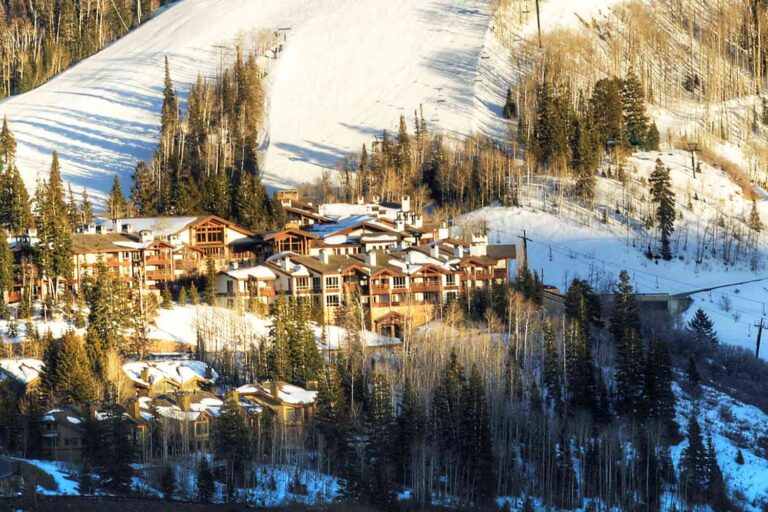
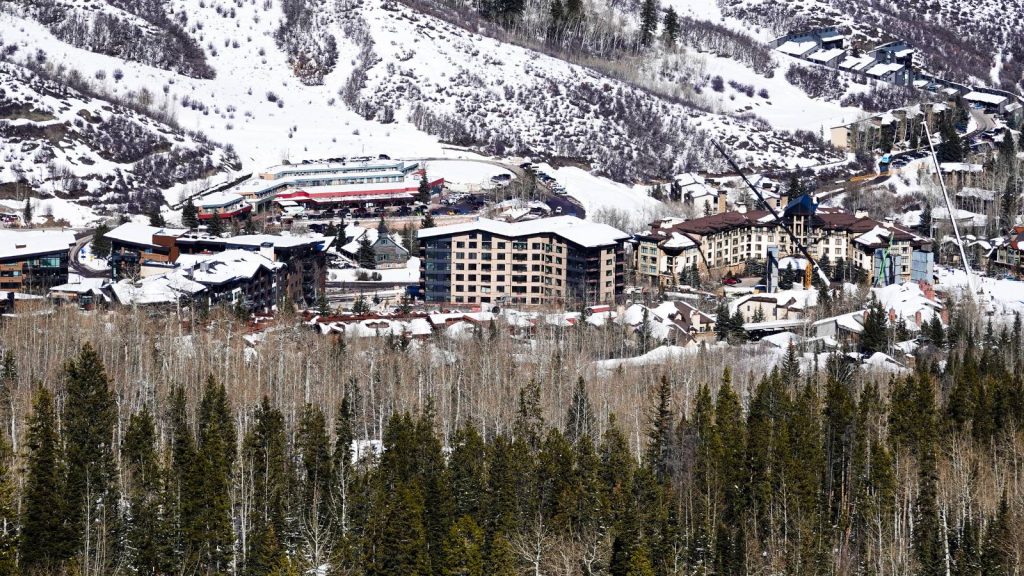
| Wasatch Powder Sanctuaries | Park City, Deer Valley, Alta | Stone foundations, expansive glass facades, ski-in/ski-out lockers | Unmatched dry powder access; strict local municipal water and zoning rules |
| Teton Alpine Enclaves | Jackson Hole, Teton Village | Corten steel accents, reclaimed barn wood, structural glass | Dramatic mountain views; extreme winter wind loads and thermal demands |
| New England Historic Resort Lodges | Stowe, Stratton, Killington | Traditional clapboard siding, steep slate roofs, covered entry porticos | Deep regional heritage; intensive freeze-thaw moisture management |
| Pacific Northwest Volcanic Retreats | Mount Hood, Cascades, Bend | Heavy timber post-and-beam construction, massive overhangs | Spectacular forest settings; heavy wet snow loads and high precipitation |
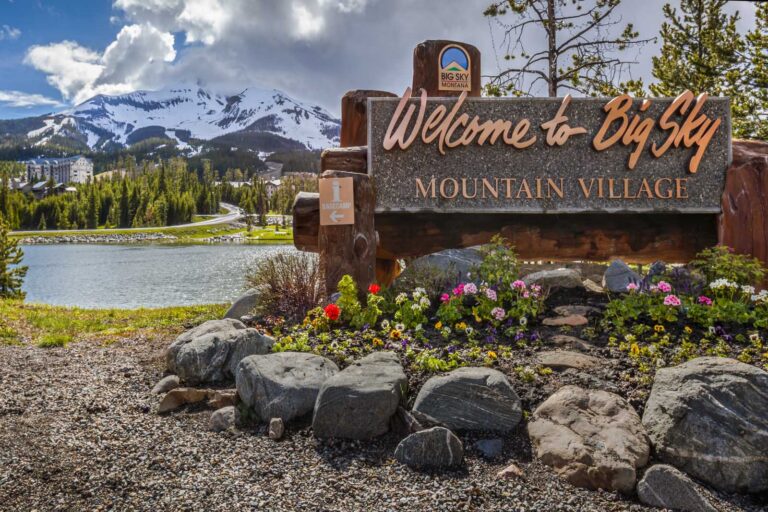
| Northern Rockies Private Club Sanctuaries | Big Sky, Yellowstone Club | Integrated golf and ski master plans, private lifts, massive stone hearths | Absolute exclusivity; immense capital expenditure and infrastructure overhead |
Realistic Decision Logic
Selecting an appropriate design and operational model for luxury alpine resorts usa requires aligning local climate severity with target guest demographics. For properties situated in high-altitude northern Rocky Mountain passes, prioritizing heavy timber framing and multi-zone snow-melt heating systems prevents structural damage during severe winter storms. Conversely, for secluded woodland retreats in Pacific mountain ranges, engineering cantilevered glass structures with advanced moisture barriers preserves panoramic forest views while preventing mold and rot in high-precipitation zones.
Detailed Real-World Scenarios
1. The High-Altitude Timber Engineering Challenge in Jackson Hole
A development team constructing a luxury resort lodge on an exposed ridgeline in Wyoming integrates heavy glue-laminated timber beams and automated wind-retractable roof shutters to withstand severe mountain gale forces without compromising interior aesthetic warmth.
2. The Off-Grid Micro-Hydro Integration in Montana
An ultra-exclusive wilderness resort located miles from municipal power lines installs a closed-loop micro-hydroelectric turbine in a nearby alpine stream, successfully powering its radiant floor heating and guest suites sustainably throughout the dark winter months.
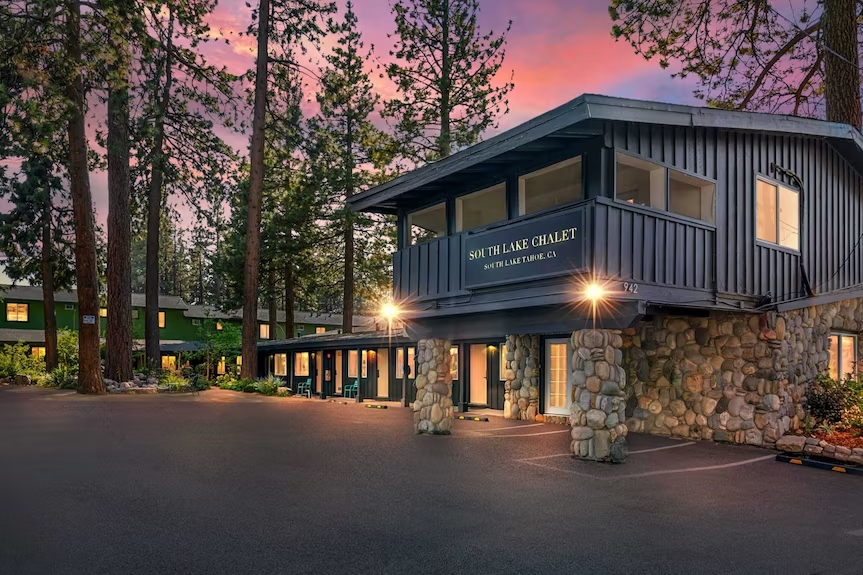
3. The Wildfire-Resistant Alpine Retrofit in Lake Tahoe
Facing increasing regional wildfire threats, a luxury mountain property replaces its traditional cedar shake siding with non-combustible fiber-cement architectural panels and installs an automated rooftop misting system, securing long-term asset protection and insurance viability.
4. The Avalanche-Zone Structural Reinforcement in Utah
A boutique chalet compound nestled beneath a steep canyon wall builds reinforced concrete retaining buttresses and structural deflection wedges, successfully routing heavy spring avalanche debris around guest accommodation wings.
Planning, Cost, and Resource Dynamics
The economic viability and financial budgeting of premier American mountain properties depend heavily on balancing extraordinary construction costs against high-yield luxury rental returns.
-
Extreme Terrain Construction Logistical Outlays: Transporting heavy building materials, specialized cranes, and skilled labor to remote high-altitude sites incurs massive logistical premiums.
-
Specialized Engineering and Maintenance Overhead: Maintaining complex off-grid energy systems, heated driveways, and heavy timber preservation requires continuous capital allocation.
-
Opportunity Costs: Failing to account for short construction windows limited by heavy winter snowpacks can cause severe project delays and cost overruns.
| Cost Dimension | Standard Ski Lodge | Luxury Resort Hotel | Ultra-Exotic Alpine Sanctuary |
| Capital Construction Cost | Moderate per-square-foot baseline building expense | High investment in premium finishes and stone masonry | Extraordinary capital outlays for custom engineering and remote logistics |
| Energy & Utility Infrastructure | Standard municipal grid hookups and propane tanks | Integrated smart home automation and solar arrays | Fully independent micro-grids, backup generators, and satellite links |
| Ongoing Maintenance | Seasonal gutter clearing and basic roof checks | Professional property management and regular wood sealing | Full-time on-site engineering staff and specialized aviation transport |
Tools, Strategies, and Support Systems
Executing successful development and management across elite alpine properties requires integrating advanced digital planning and structural monitoring systems.
-
BIM Software: Advanced 3D digital design tools simulating heavy snow loads, seismic activity, and thermal performance on complex mountain structures.
-
Remote IoT Structural Health Sensors: Digital monitoring devices embedded within timber frames to track moisture levels, stress strains, and foundation shifts.
-
Automated Avalanche and Weather Monitoring APIs: Specialized meteorological systems providing real-time data on wind speeds, snowpack stability, and storm trajectories.
-
Satellite-Linked Communications Networks: High-bandwidth satellite internet systems ensuring uninterrupted guest connectivity and operational oversight in remote wilderness zones.
-
Automated Glycol Snow-Melt Controllers: Smart thermal sensors activating heated pathways and parking aprons only when ice and snow accumulation thresholds are met.
-
Helicopter Logistics and Cargo Tracking Portals: Digital dispatch software coordinating air-lift deliveries for heavy supplies during winter road closures.
Risk Landscape and Failure Modes
Operating high-end mountain properties introduces severe environmental and structural vulnerabilities that require comprehensive risk mitigation.
-
Catastrophic Roof Collapse from Heavy Snow Loads: Failing to clear wet, dense spring snowpacks from low-pitch architectural roofs, leading to structural failure.
-
Extended Winter Power and Utility Outages: Severe blizzards severing municipal power lines and blocking access roads, stranding guests and testing backup generator fuel reserves.
-
Freeze-Thaw Pipe Bursts in Unoccupied Wings: Sub-zero winter temperatures freezing dormant plumbing lines during shoulder-season vacancy periods, causing extensive interior water damage.
-
Wildfire Ember Incursion: High winds carrying burning embers into vulnerable wood-framed eaves and dry surrounding underbrush during drought conditions.
-
Permitting and Environmental Violations: Constructing luxury additions within strict federal or state protected forest conservation zones, triggering heavy regulatory fines and mandatory teardowns.
Governance, Maintenance, and Long-Term Adaptation
Maintaining elite standards across luxury alpine resorts usa requires rigorous internal auditing and structured maintenance cycles.
-
Pre-Winter Engineering and Envelope Inspections: Comprehensive checks of roof flashing, window seals, generator fuel levels, and snow-melt systems forty-five days prior to winter storms.
-
Mid-Season Structural Load Monitoring: Weekly tracking of snowpack depth on roofs and retaining wall stability during peak winter months.
-
The Layered Mountain Property Maintenance Checklist:
-
Generator Load Test: Run emergency backup diesel and propane generators under full load weekly to ensure operational readiness.
-
Fire Defense Clearance: Verify that defensible space clearing and brush removal zones are maintained around all exterior perimeters.
-
Plumbing Frost Protection: Inspect heat-trace cables on exposed exterior water supply lines before freezing temperatures arrive.
-
Roof Snow Management: Schedule professional roof snow-raking services when accumulation depths exceed engineered structural limits.
-
Measurement, Tracking, and Evaluation
-
Leading Indicators: Completion of pre-winter engineering audits, backup generator test run logs, and defensible space clearances serve as early operational health signals.
-
Lagging Indicators: Total annual maintenance repair costs, energy efficiency ratios, and structural longevity assessments measure overall asset success.
-
Documentation Standards: Maintaining an exhaustive digital archive tracking architectural blueprints, engineering sign-offs, maintenance service logs, and seasonal weather reports.
-
Benchmarking Analysis: Regularly comparing structural durability, operating overheads, and guest satisfaction scores against competing luxury alpine portfolios nationwide.
Common Misconceptions and Oversimplifications
-
“Any high-end wooden cabin in a ski town qualifies as an elite alpine resort.” True luxury alpine retreats require distinct architectural vernacular, engineered climate resilience, and unique site integration rather than standard suburban framing.
-
“Mountain weather patterns remain predictable enough for standard residential building materials.” Extreme high-altitude wind shears, heavy snow loads, and rapid temperature swings demand commercial-grade engineering.
-
“Off-grid wilderness resorts cannot provide five-star luxury amenities.” Modern engineering allows remote properties to feature high-speed satellite communications, heated indoor pools, and gourmet kitchens seamlessly.
-
“Snow-melt systems operate continuously throughout the entire winter season.” Smart glycol heating systems utilize automated moisture and temperature sensors to operate only during active precipitation events, conserving energy.
-
“Wildfire risks only threaten desert or low-altitude properties in the American West.” Forested alpine slopes face severe wildfire hazards, requiring non-combustible exterior materials and rigorous defensible space design.
-
“Purchasing land in remote mountain locations guarantees smooth zoning and construction approval.” Strict environmental protections, local zoning boards, and national forest buffer regulations make mountain permitting highly complex.
Ethical, Practical, and Contextual Considerations
Developing and operating elite mountain estates carries profound responsibilities regarding environmental stewardship, wildlife corridor preservation, and local community integration. Property owners and developers must ensure that massive structural footprints do not disrupt native animal migrations or degrade pristine alpine watersheds. Furthermore, respecting local labor forces and contributing to regional municipal infrastructure ensures that luxury tourism supports surrounding mountain communities rather than straining them.
Conclusion
The conceptualization, engineering, and operation of premier mountain retreats represent a sophisticated synthesis of architectural daring, structural engineering, and ecological respect. When developers master the complexities governing luxury alpine resorts usa, structured engineering methodologies move properties past superficial rustic aesthetics to achieve true mountain resilience. Success in this specialized sector requires balancing extreme weather preparedness, off-grid utility independence, and meticulous long-term asset governance. Through patience and editorial rigor, stakeholders can protect their capital investments and guarantee exceptional, enduring mountain experiences across the nation’s most breathtaking summits.