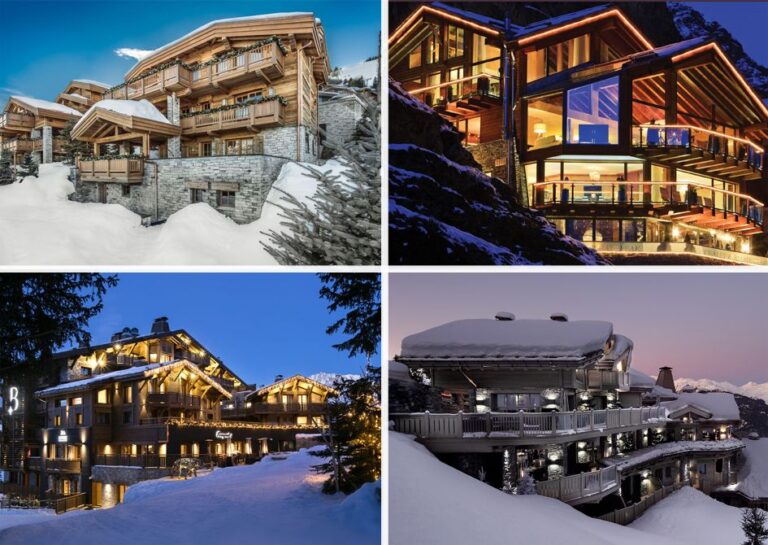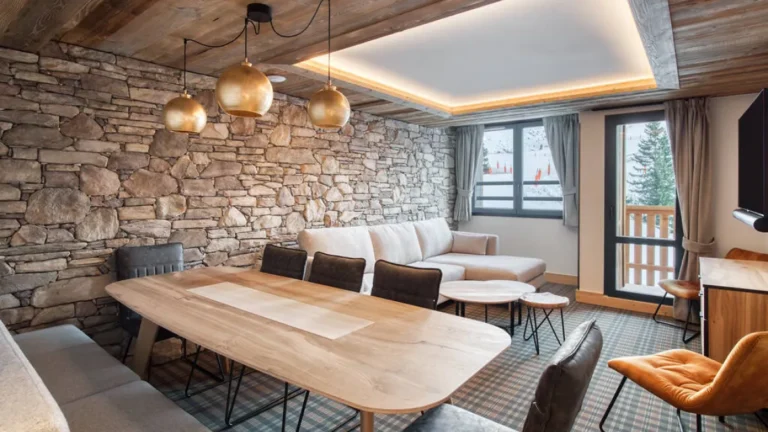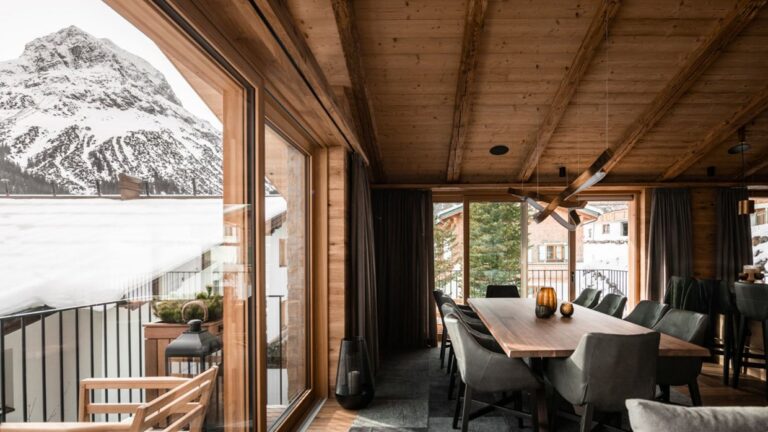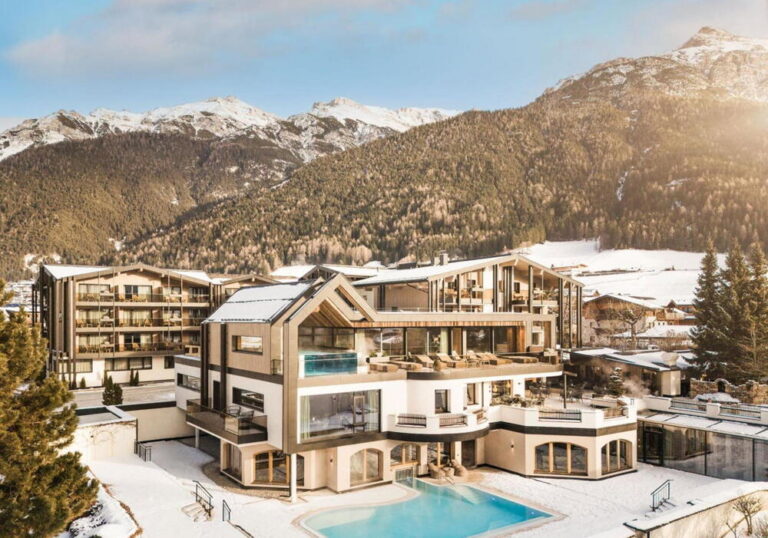
Best Chalet Hotels for Corporate Hosting: Ultimate Retreat Guide
Evaluating the intersection of executive leadership retreats and remote architectural hospitality reveals a specialized sector within corporate real estate management. While standard business travel commentary frequently reduces retreats to conventional hotel conference rooms, high-stakes leadership alignment requires environments that foster deep focus. Properties featuring bespoke alpine or wilderness chalet architecture operate under strict technical and logistical parameters to support teams effectively. These operations demand complex coordination across secure IT infrastructure, modular presentation spaces, fine-dining procurement, and rigorous confidentiality protocols. Furthermore, event directors continually refine their operational frameworks to reconcile high-performance business productivity with fragile natural ecosystems. As a result, long-term corporate value depends heavily on meticulous spatial planning, reliable connectivity, and structured meeting infrastructure.
Additionally, achieving operational continuity across executive wilderness portfolios requires balancing delicate trade-offs between absolute acoustic isolation and high-bandwidth digital connectivity. Properties must manage expansive timber construction and glass walls exposed to severe weather while integrating enterprise-grade satellite redundancy and secure conference hardware. Consequently, these structural choices tie corporate retreat success directly to thoughtful site architecture and continuous digital maintenance. Moreover, analyzing specialized executive hosting workflows sheds light on broader shifts in contemporary remote asset development. Therefore, this guide details best chalet hotels for corporate hosting across diverse regional and international mountain landscapes.
Understanding Best Chalet Hotels for Corporate Hosting
Semantic Ambiguity and Structural Boundaries
Evaluating best chalet hotels for corporate hosting involves navigating complex terminology across corporate governance, hospitality management, and regional real estate standards. Event planners, executive assistants, and corporate travel managers frequently conflate standard ski resort hotels—which feature shared public lobbies and rigid commercial conference centers—with elite alpine properties featuring private residential architecture, dedicated boardrooms, and complete property buyouts. However, this general assumption obscures massive structural variances in regional service thresholds, confidentiality frameworks, catering flexibility, and audiovisual capabilities across the European Alps, the Rocky Mountains, and the Pacific Northwest.
For instance, a fully serviced private chalet in the Swiss Alps typically includes dedicated hospitality hosts, private executive chefs, and secure multi-room meeting configurations governed by strict local data privacy laws. Conversely, a luxury ranch chalet in the American West prioritizes rugged leadership team-building grounds, equine excursions, and open-air strategic visioning sessions. Therefore, corporate governance teams, asset owners, and logistics directors must inspect micro-level package definitions, security protocols, and connectivity specifications closely.
Analytical Rigor versus Surface Impressions
True expertise in evaluating elite corporate retreat properties requires balancing quantitative infrastructure metrics against qualitative cognitive restoration standards. Unlike urban hotels that rely on decentralized municipal services, fully private mountain chalets exist as isolated, high-overhead ecosystems. When experienced directors analyze best chalet hotels for corporate hosting, they look past superficial marketing tropes highlighting scenic mountain backdrops. Instead, they assess encrypted network bandwidth stability, acoustic insulation ratings between breakout rooms, emergency power redundancy, and absolute perimeter privacy. Ultimately, failing to master these operational and technological realities leads directly to compromised strategic confidentiality, meeting downtime, and diminished return on investment.
Deep Contextual Background
The historical evolution of corporate retreat architecture traces back to mid-century executive sanitariums, private industrial training compounds, and the post-war expansion of exclusive alpine management conferences. During earlier eras, vernacular mountain business gatherings relied on simple rustic lodge boarding houses where corporate boards shared communal dining rooms and basic chalkboard presentations.
Following the late-twentieth-century corporate decentralization movement and the rise of high-stakes executive strategy sessions, remote corporate hosting underwent a structural shift toward fully catered private alpine compounds. Independent developers began blending traditional European chalet forms with modern acoustic engineering, high-speed data infrastructure, and dedicated executive boardrooms. In recent decades, the acceleration of distributed workforce models and privacy-driven leadership planning has driven unprecedented demand for fully dedicated executive sanctuaries. Today, contemporary high-end corporate chalet operations rely on advanced property management systems, enterprise-grade satellite networks, and highly trained hospitality professionals to oversee high-value portfolios safely.
Conceptual Frameworks and Mental Models
Successfully evaluating and developing premier corporate chalet operations requires deploying rigorous analytical models. These models balance comprehensive executive productivity tools against sustainable operating margins.
-
The Confidentiality-Connectivity Matrix: Measures the precise balance between absolute physical and digital security while maintaining robust cloud connectivity for remote teams.
-
The Cognitive Load-Restoration Continuum: Operators evaluate how physical spatial layouts impact executive decision-making clarity and stress recovery.
-
The Buyout Yield Optimization Model: Analyzes the strategic trade-off between securing long-term enterprise contracts versus maximizing short-term dynamic leisure pricing during peak seasons.
Key Categories and Variations
The landscape of premier properties suited for executive gatherings comprises several distinct operational and architectural variations.
| Chalet Category | Primary Regional Focus | Typical Executive Features | Strategic Trade-off |
| Fully Secured European Alpine Chalets | Swiss, French, and Austrian Alps | Dedicated boardrooms, encrypted satellite links, private chef, complete privacy | Exceptional security and infrastructure; high labor and regulatory overhead |
| Rocky Mountain Executive Timber Compounds | Colorado, Wyoming, Montana | Vaulted presentation spaces, breakout cabins, rugged team-building terrain | Immersive leadership environment; extreme winter weather access liabilities |
| Pacific Northwest Glass and Steel Sanctuaries | Washington, Oregon, Northern California | Minimalist open-plan meeting pods, high-speed fiber or starlink arrays, quiet forests | Modern architectural inspiration; intensive moisture and glass maintenance |
| New England Historic Summit Lodges | Vermont, New Hampshire, Maine | Classic stone hearth meeting rooms, secluded campus layouts, private acreage | Deep historical charm; older internal wiring requiring network retrofits |
| Appalachian Bald Ridge Retreats | North Carolina, Virginia | Elevated presentation decks, private dining pavilions, quiet forest canopy | Scenic ridge seclusion; high humidity control and seasonal weather shifts |
| Texas Hill Country Executive Ranches | Central Texas | Large workshop barns, open-air pavilion stages, private catering kitchens | Optimized for mild year-round access; intense solar heat management |
Realistic Decision Logic
Selecting an appropriate operational model for best chalet hotels for corporate hosting requires aligning executive team size with local technical infrastructure. For properties located in remote North American mountain ranges where local fiber networks are unavailable, establishing bonded multi-path satellite internet systems and robust local server caching ensures uninterrupted video conferencing and secure document collaboration. Conversely, for chalets situated within established European alpine valleys, leveraging local high-speed municipal fiber lines optimizes data transfer speeds and simplifies encrypted virtual private network integrations.
Detailed Real-World Scenarios
The European Alpine Executive Boardroom Digital Retrofit
A corporate retreat organizer managing a confidential strategy session in a Swiss chalet coordinates the installation of temporary encrypted satellite uplinks, sound-masking acoustic curtains in glass-walled conference rooms, and secure local printing stations to maintain absolute corporate espionage prevention.
The Rocky Mountain Leadership Team-Building and Workshop Execution
An exclusive Montana mountain compound synchronizes multi-day strategic planning modules with outdoor wilderness problem-solving exercises. Furthermore, it balances intensive morning boardroom analysis with afternoon guided backcountry navigation while maintaining continuous satellite communication with corporate headquarters.
The Pacific Northwest Architectural Retreat Multi-Pod Integration
A premier glass-walled chalet in Washington state configures its independent guest casitas and central great room into segmented breakout zones. Consequently, multi-departmental project teams can conduct simultaneous private workshops without acoustic interference.
The Remote Wilderness Contingency Power and Data Shift
A high-altitude corporate chalet hosting a critical annual budget review experiences a sudden utility grid failure during a severe mountain storm. Instantly, its automated dual-redundancy generators and battery microgrids maintain full boardroom lighting, HVAC, and encrypted video feeds without dropping an active conference call.
Planning, Cost, and Resource Dynamics
The economic viability and financial budgeting of premier corporate chalet hosting depend heavily on balancing extraordinary technical infrastructure investments against high corporate budget allocations.
-
Enterprise-Grade IT and Security Outlays: Installing redundant satellite arrays, encrypted routers, enterprise Wi-Fi 6 mesh systems, and commercial-grade presentation hardware incurs massive initial capital expenditures.
-
Specialized Executive Catering and Hospitality Payroll: Employing professional private chefs capable of managing complex dietary restrictions across large executive teams requires significant wage allocation.
-
Opportunity Costs: Failing to account for strict corporate privacy requirements, data compliance regulations, and unhedged cancellation liabilities can cause severe financial friction.
| Cost Dimension | Standard Resort Conference Center | Premium Alpine Corporate Chalet | Ultra-Exclusive Secure Executive Compound |
| Capital Infrastructure Cost | Standard commercial hotel meeting room fit-outs | High investment in acoustic partitioning and upgraded presentation tech | Extraordinary capital outlays for secure communications, encryption, and private acreage |
| IT & Security Overhead | Shared hotel guest Wi-Fi and standard commercial firewalls | Dedicated encrypted networks and satellite backup links | Military-grade cybersecurity measures, physical access logs, and sweep protocols |
| Logistical Inclusion Complexity | Standard catering packages and shared breakout coordination | Fully customized culinary programs, private transport fleets, and structured itineraries | Complete turnkey corporate campus management including private aviation coordination |
Tools, Strategies, and Support Systems
Executing successful operational management across premier corporate chalet portfolios requires integrating advanced digital planning, security, and preference-tracking tools.
-
Encrypted Enterprise Event Management Platforms: Advanced software tracks executive dietary restrictions, security clearance levels, room assignments, and travel itineraries prior to arrival.
-
Real-Time Bandwidth and Network Monitoring Dashboards: Automated tracking systems monitor multi-path internet uptime and firewall integrity to guarantee zero latency during high-stakes video calls.
-
Acoustic and Spatial Management Control Systems: Digital tools and architectural zoning plans map out decibel thresholds and sound-masking parameters across open-plan meeting pods.
-
Secure Satellite Communication and Emergency Command Hubs: Two-way tracking systems ensure constant operational awareness for outdoor executive leadership excursions.
-
Automated Catering and Dietary Inventory Tracking Apps: Operational software coordinates precise meal timing, allergy management, and beverage cellaring for executive dining sessions.
-
Predictive Weather and Road Accessibility APIs: Forecasting software adjusts logistics, private transport vehicle dispatches, and emergency backup protocols based on real-time mountain meteorological shifts.
Risk Landscape and Failure Modes
Operating high-end corporate chalet properties introduces severe technical and operational vulnerabilities that require comprehensive risk mitigation.
-
Catastrophic Network Outages During Critical Board Votes: Sudden internet service interruptions or hardware failures halt live investor video streams or secure document signatures.
-
Confidentiality Breaches Due to Inadequate Acoustic Isolation: Glass-walled architecture or poorly insulated partition walls allow sensitive financial discussions to be overheard by staff.
-
Inclement Weather Disrupting Executive Arrivals: Blizzards or unseasonable storms ground private helicopter transfers and executive flights, forcing costly rescheduling of board meetings.
-
Key Hospitality Personnel Turnover During Major Events: Sudden departure of executive chefs or estate managers mid-retreat risks service degradation and corporate dissatisfaction.
-
Guest Expectation Mismatch on Corporate Facility Capabilities: Ambiguity regarding printer speeds, display screen compatibility, or seating capacities in custom chalet spaces leads to operational friction.
Governance, Maintenance, and Long-Term Adaptation
Maintaining elite standards across corporate chalet portfolios requires rigorous internal auditing and structured operational reviews.
-
Pre-Event IT and Infrastructure Stress Audits: Comprehensive load-testing of Wi-Fi networks, backup satellite links, audiovisual displays, and generator transfer switches occurs seven days prior to arrivals.
-
Post-Retreat Debrief and Security Sweeps: Detailed reviews of executive feedback scores alongside physical and digital security audits ensure zero residual data or equipment vulnerabilities.
-
The Layered Corporate Chalet Operations Checklist:
-
Network Encryption and Firewall Check: Verify that all guest network portals utilize active VPN pass-through and enterprise-grade WPA3 security protocols.
-
Acoustic Privacy Verification: Test sound transmission loss across all partition walls and conference doors prior to executive strategy sessions.
-
Emergency Power Load Test: Run diagnostic tests on backup generator fuel levels and battery microgrid switchover times.
-
Supply Chain and Dietary Cross-Check: Confirm all executive dietary profiles, beverage preferences, and private dining schedules match the executive coordinator’s brief.
-
Measurement, Tracking, and Evaluation
-
Leading Indicators: Timely completion of pre-retreat IT audits, network stress tests, and security checks serve as early operational health signals.
-
Lagging Indicators: Corporate net promoter scores, executive productivity ratings, repeat booking percentages, and network uptime statistics measure overall business success.
-
Documentation Standards: Maintaining an exhaustive digital archive tracks executive preference logs, corporate vendor contracts, daily incident reports, and infrastructure maintenance logs.
-
Benchmarking Analysis: Regularly comparing network bandwidth capacities, acoustic ratings, and corporate service offerings against competing luxury executive properties worldwide.
Common Misconceptions and Oversimplifications
-
“Any large luxury cabin can seamlessly host a high-level corporate board meeting.” True corporate chalet hosting requires dedicated acoustic engineering, encrypted internet, and structured breakout spaces rather than standard layouts.
-
“Remote mountain locations inevitably compromise digital connectivity and video conferencing reliability.” Modern multi-path satellite arrays and bonded cellular networks allow remote chalets to maintain ultra-fast, stable internet connections.
-
“Corporate catering in secluded chalets relies on basic mass-catering delivery services.” Top-tier properties employ private executive chefs who prepare bespoke, a la carte gourmet dining tailored to executive requirements.
-
“Mountain weather disruptions are easily absorbed by standard corporate travel insurance policies.” Unpredictable alpine storms require complex contingency planning, robust backup heating systems, and dynamic schedule flexibility.
-
“Executive team-building requires sacrificing indoor comfort for rugged outdoor survival.” High-end corporate chalets merge extreme outdoor wilderness access with uncompromising interior luxury, ergonomic workspaces, and wellness amenities.
-
“Corporate retreat asset management requires minimal ongoing technological upgrades.” Rapidly evolving cybersecurity threats and conferencing standards mean enterprise IT infrastructure must be continuously updated.
Ethical, Practical, and Contextual Considerations
Developing and operating elite corporate retreat properties carries profound responsibilities regarding local community support, data privacy compliance, and environmental conservation. Property owners and operators must ensure that high-volume resource consumption—such as digital power loads, water heating, and luxury food imports—does not strain fragile local municipal systems or rural mountain villages. Furthermore, providing equitable wages, proper rest rotations, and safe housing for live-in hospitality staff ensures that executive wilderness tourism supports the broader regional workforce with absolute integrity.
Conclusion
The conceptualization, technological integration, and operational execution of premier alpine retreats represent a sophisticated synthesis of corporate administration, acoustic engineering, and logistical precision. When operators master the complexities governing best chalet hotels for corporate hosting, structured service frameworks move properties past generic resort packaging to achieve true executive productivity excellence. Success in this specialized sector requires balancing enterprise-grade digital security, comprehensive guest inclusions, and meticulous long-term asset management. Through patience and editorial rigor, stakeholders can protect their financial investments and guarantee exceptional, enduring corporate offsite experiences across the world’s most breathtaking mountain landscapes.