Compare Chalet Hotels Amenities: Ultimate Alpine Luxury Guide
The architectural evolution and service tiering of high-altitude alpine hospitality have transformed dramatically over the past century, shifting from modest communal shelters into multi-million-dollar architectural marvels. Discerning travelers, real estate asset managers, and elite tour curators frequently encounter a dense web of conflicting marketing terminology when evaluating high-end mountain lodging. Navigating this landscape requires more than scanning glossy brochures or reviewing star ratings; it demands a rigorous, analytical approach to property structures, back-of-house logistics, and specialized guest services.
Across premier mountain ranges in the French, Swiss, Austrian, and Italian Alps—as well as North American strongholds like Aspen, Vail, and Whistler—the definition of luxury has expanded far beyond basic comfort. Modern guests evaluate properties based on an intricate matrix of wellness engineering, acoustic baffling, private culinary brigades, and seamless slope access. However, surface-level similarities between a grand historic hotel suite and an exclusive-use private catered chalet often mask profound differences in daily operations, spatial privacy, and guest autonomy.
Consequently, understanding how industry professionals and experienced travelers evaluate these accommodations requires looking past marketing hyperbole. Analysts must dissect the underlying economic models, structural zoning principles, and service delivery frameworks that govern elite mountain retreats. This inquiry provides a comprehensive, exhaustive framework for understanding the structural mechanics, amenity classifications, and long-term asset evaluations that define contemporary high-altitude hospitality.
Understanding “compare chalet hotels amenities”
Semantic Ambiguity and Structural Boundaries
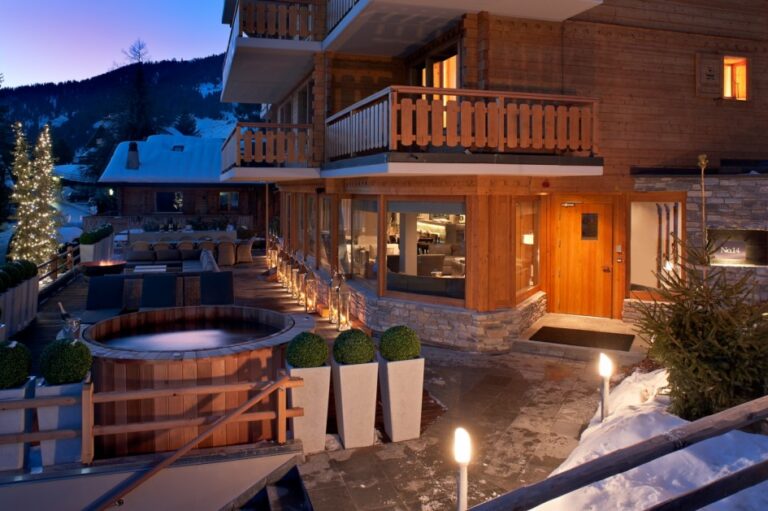
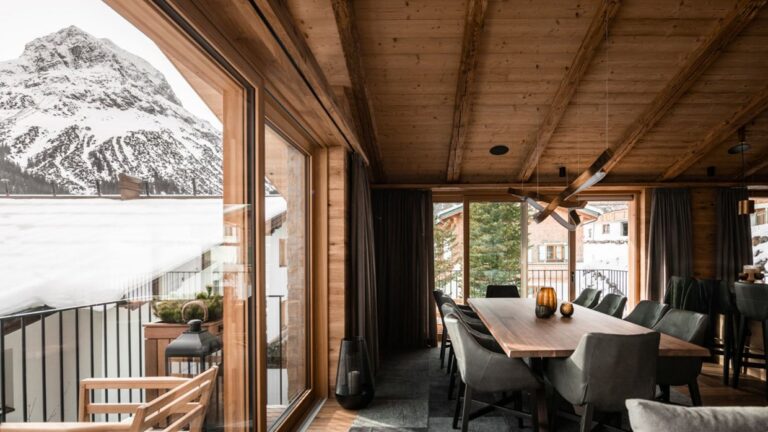
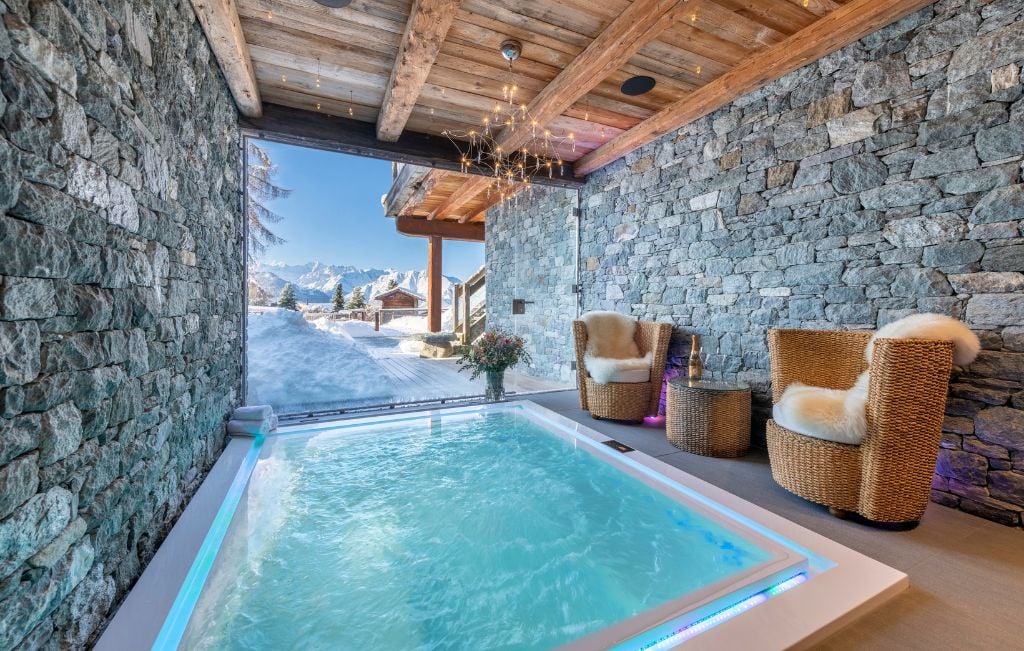
Evaluating the classification, administrative standards, and spatial requirements involved when individuals compare chalet hotels amenities requires navigating profound semantic ambiguity across the global hospitality sector. Real estate developers, tour operators, and high-net-worth travelers frequently conflate distinct property models, such as commercial resort hotels featuring timber-clad facades, private multi-story chalet residences available for exclusive buyout, and condominium-hotel hybrids. However, this broad generalization obscures massive structural variances in kitchen facility access, wellness infrastructure, and staffing ratios. For instance, a traditional luxury hotel suite provides centralized front-desk support, shared indoor pools, and standardized dining rooms. Conversely, an exclusive-use private chalet offers dedicated host teams, bespoke private chef services, and private hot tubs positioned directly against exterior snowbanks. Therefore, analysts must inspect micro-level property specifications closely. Acoustic baffling ratings, boot-room heating telemetry, and private spa engineering demand constant oversight.
Analytical Rigor versus Surface Impressions
True expertise in evaluating mountain properties requires balancing quantitative asset specifications with qualitative experiential factors. Unlike standard urban hotels where room dimensions and Wi-Fi speeds dictate value, alpine properties must be judged on their environmental integration and micro-climatic resilience. When experts compare chalet hotels amenities, they look past superficial timber-and-stone aesthetics. Instead, they assess actual ski-in, ski-out transit efficiency, hot water recovery rates during peak evening hours, and the structural integrity of soundproofing between multi-generational sleeping wings. Ultimately, failing to master these operational realities leads directly to guest dissatisfaction, compromised asset valuation, and structural wear.
Deep Contextual Background
The historical evolution of luxury mountain accommodations traces back to early nineteenth-century mountaineering outposts, transcontinental railway hotels, and traditional Swiss family-run inns. During this foundational era, properties in destinations like Zermatt, Chamonix, and St. Moritz prioritized basic warmth, communal dining long-tables, and simple guide-booking ledgers. These early alpine lodges relied heavily on local timber craftsmanship and informal hospitality, establishing the rustic architectural DNA that continues to influence modern chalet design.
Following the post-war expansion of commercial ski infrastructure across the European Alps and North America, mountain accommodations underwent a radical architectural and operational transformation. Independent lodges evolved into sophisticated resort hotels featuring specialized wellness centers, professional culinary brigades, and dedicated ski valets. Furthermore, this commercial maturation introduced complex indoor engineering, including underground boot-room warming racks, commercial-grade ventilation, and indoor-outdoor swimming pools. In recent decades, the shift toward experiential travel and hyper-personalized itineraries has accelerated the demand for deeply specialized amenities, ranging from private underground screening rooms to temperature-controlled wine cellars. Today, contemporary high-end chalet hotels are driven by advanced building automation and bespoke concierge networks, turning historical mountain cabins into sophisticated enterprise hospitality operations.
Conceptual Frameworks and Mental Models
Successfully evaluating and classifying premier alpine resort operations requires deploying rigorous analytical models. These models balance spatial luxury against operational efficiency.
1. The Spatial Privacy versus Shared Service Matrix
This mental model measures the balance between exclusive-use private chalets—which offer complete domestic autonomy and custom-tailored private chef services—and grand resort hotels that provide expansive shared wellness facilities, multiple restaurants, and 24-hour front desk reception.
2. The Slopeside Accessibility versus Resort Village Proximity Spectrum
Mountain properties span from immediate ski-in, ski-out locations nestled directly against high-alpine pistes to sophisticated properties situated within pedestrian-only village centers. Therefore, this framework analyzes how vertical transit time and boot-room logistics impact the daily guest experience.
3. The Wellness Engineering versus Architectural Integration Balance
Modern luxury alpine assets must integrate complex wellness infrastructure—such as indoor lap pools, Finnish saunas, steam rooms, and outdoor hydrotherapy tubs—without compromising traditional timber-and-stone structural aesthetics.
Key Categories and Variations
The landscape of premier alpine resort management across the industry comprises several distinct commercial and architectural variations.
| Amenity Category | Primary Architectural Focus | Operational Model | Strategic Trade-off |
| Slopeside Ski-in/Ski-out Chalets | Direct piste integration and mudrooms | Full-service hotel or private catered | Maximum slope access; high property acquisition cost |
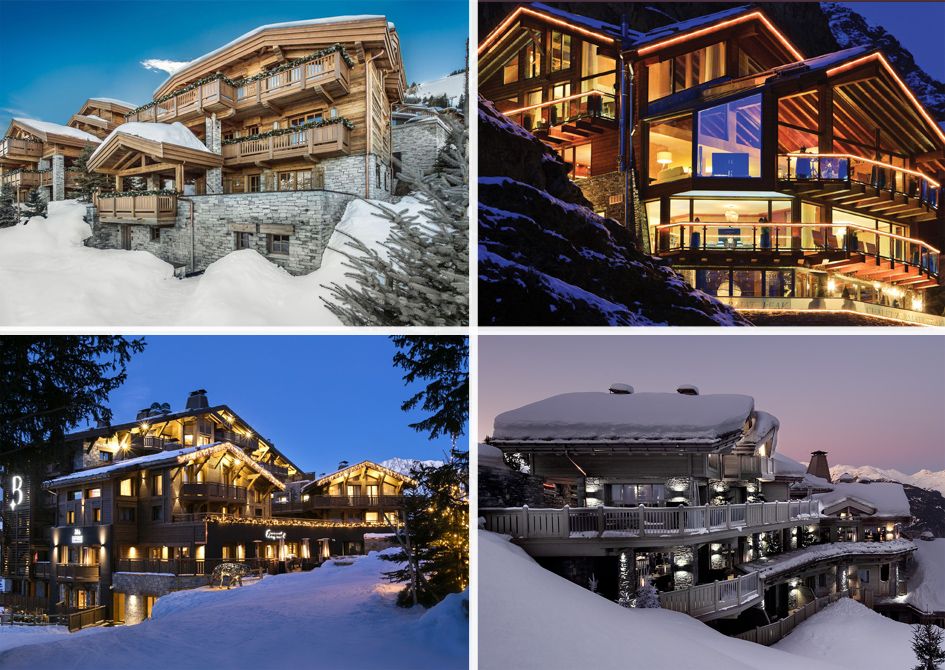
| Boutique Hotel-Chalet Hybrids | Traditional timber facade with modern spa | Centralized hotel management pool | Expansive shared amenities; reduced privacy |
| Exclusive-Use Private Chalet Estates | Custom multi-story alpine timber/stone | Dedicated private host and chef team | Absolute family privacy; rigid weekly pricing |
| Condominium-Hotel Residences | Multi-unit residential architecture | Resort management administration | Full kitchens and laundry; variable interior finishes |
| Historic Alpine Lodge Conversions | Restored Victorian or frontier facades | Independent boutique hospitality | High cultural character; potential layout constraints |
| Remote Wilderness Eco-Lodges | Environmental self-sufficiency/microgrid | Specialized expedition and host staff | Complete seclusion; intense weather vulnerability |
Realistic Decision Logic
When high-net-worth travelers and corporate event planners evaluate options to compare chalet hotels amenities, selecting an appropriate property category requires aligning group demographics with resort geography. For avid skiers prioritizing first tracks and minimal transit friction, booking an authentic slopeside ski-in, ski-out chalet in Val d’Isère, Verbier, or Courchevel is essential. Conversely, for large multi-generational family groups seeking flexible dining schedules, private wellness facilities, and dedicated childcare support, renting an exclusive-use private chalet estate provides superior autonomy and tailored service. Therefore, stakeholders must carefully weigh these structural trade-offs against budgetary constraints and seasonal weather variables.
Detailed Real-World Scenarios
1. The Slopeside Transit Bottleneck and Boot Room Congestion
A luxury chalet hotel advertises direct ski-in, ski-out access, failing to disclose that the physical ski room is located three sub-grade levels below the lockers, accessible only via a slow service elevator. During peak morning departure times, twenty guests converge on the tiny elevator simultaneously, causing severe logistical bottlenecks. This scenario illustrates the critical need for intuitive vertical circulation design in alpine property planning.
2. The Wellness Facility Capacity Overload During Storm Days
During an unpredicted multi-day blizzard that closes all upper-mountain ski lifts, hundreds of guests retreat to the resort hotel’s indoor wellness spa. Because the steam rooms, indoor lap pool, and sauna were sized for normal evening occupancy rather than full-day storm surges, the spa becomes dangerously overcrowded, degrading the luxury guest experience.
3. The Private Chef Dietary Mismatch in Exclusive Chalets
A high-net-worth family books an exclusive catered chalet for a week-long ski holiday, assuming the resident private chef can accommodate complex medical dietary restrictions on short notice. Because the booking agent failed to transmit precise nutritional profiles during pre-arrival planning, the kitchen lacks necessary specialized ingredients, highlighting the necessity of rigorous pre-arrival data intake.
4. The Architectural Acoustic Failure in Open-Plan Chalets
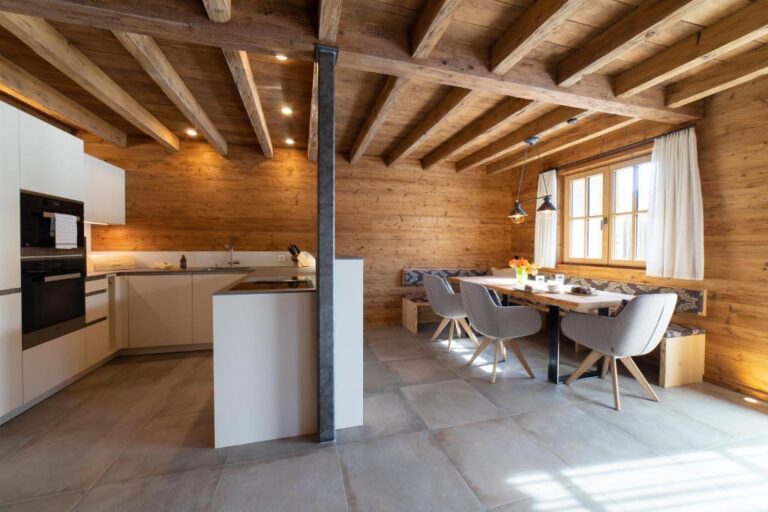
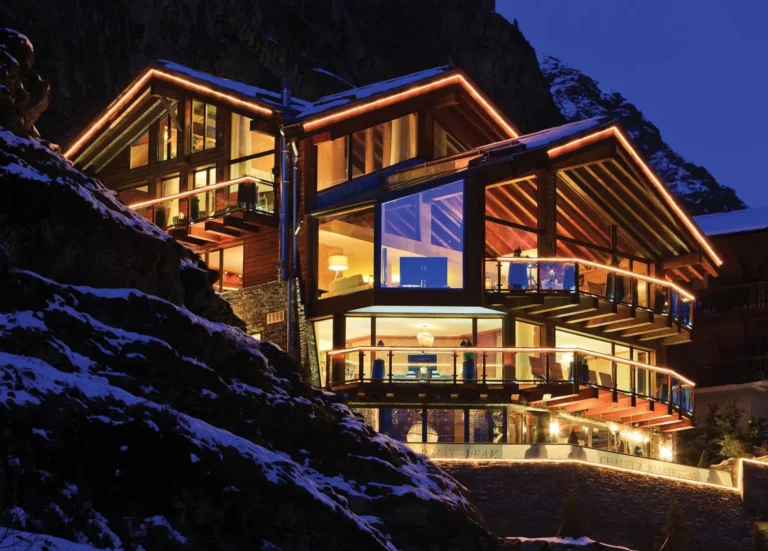
An ultra-luxury timber chalet features soaring double-height ceilings and exposed steel-and-glass structural framing in the central living area. While visually stunning, the hard surfaces create severe acoustic reverberation, allowing late-night social gatherings in the main lounge to broadcast directly into upper-level bedroom suites, ruining sleep for early-rising family members.
Planning, Cost, and Resource Dynamics
The economic viability and pricing structure of elite alpine properties depend on balancing high-end amenity capital investments against compressed seasonal demand curves.
-
Direct Wellness and Engineering Outlays: Installing commercial-grade ventilation for indoor pools, high-capacity boilers for multi-tub drainage, and custom snow-melt heated driveways requires massive capital expenditure.
-
Specialized Staffing Overhead: Maintaining professional culinary brigades, certified ski valets, spa therapists, and private chalet hosts demands robust operational budgets.
-
Opportunity Costs: Failing to capture peak winter school-holiday booking windows—such as Christmas, New Year, and February half-term—results in severe annual revenue shortfalls.
| Cost Dimension | Standard Urban Luxury Hotel | Resort Boutique Hotel | Elite Alpine Chalet Property |
| Wellness Capital Outlay | Moderate (standard indoor pool/gym) | High (comprehensive spa and thermal suite) | Extreme (bespoke indoor pools, saunas, and hot tubs) |
| Staff-to-Guest Ratio | Moderate (standard hotel departmental split) | High (attentive front-of-house service) | Intensive (dedicated private chefs, hosts, and drivers) |
| Energy and Heating Costs | Standard commercial building load | High (winter climate control) | Extreme (high-altitude heating loads and wellness thermal upkeep) |
| Peak Season Yield Compression | Moderate (year-round business demand) | High (winter and summer holiday peaks) | Absolute (concentrated winter ski calendar dominance) |
Tools, Strategies, and Support Systems
Executing successful amenity management and guest coordination across luxury American and European mountain properties requires integrating specialized digital platforms and asset management tools.
-
Pre-Arrival Preference Portals: Secure digital intake platforms used to capture precise guest dietary requirements, ski rental sizing, spa appointment requests, and childcare schedules prior to arrival.
-
IoT Smart Wellness Telemetry Systems: Automated sensor networks monitoring chemical balance in indoor pools, sauna temperature stability, and steam room humidity levels.
-
Integrated Concierge and Ski Coordination Software: Digital systems connecting property staff directly with local mountain rescue, ski school directors, and heli-ski operators.
-
Energy Management and Freeze-Protection Automation: Advanced building controls monitoring pipe telemetry, boiler pressure, and snow-melt driveway heating grids during severe alpine freezes.
-
Encrypted Multi-Family Billing Ledgers: Secure administrative tools designed to handle complex split-billing arrangements for corporate buyouts and multi-family chalet rentals.
-
Real-Time Maintenance Work Order Apps: Mobile-enabled platforms allowing engineering staff to track and resolve equipment failures across sprawling chalet estates instantly.
Risk Landscape and Failure Modes
Operating and investing in high-altitude hospitality assets introduces unique vulnerabilities. If unmitigated, these operational risks can compromise financial stability and brand reputation.
-
Catastrophic Wellness Facility Mechanical Failures: A sudden breakdown of commercial pool filtration or boiler heating systems during peak winter weeks can result in massive compensation claims and guest evacuations.
-
Severe Weather Supply Chain Isolation: Unpredicted road closures can cut off essential maintenance parts, fresh culinary produce, and heating fuel deliveries to remote chalets.
-
Staff Attrition and Housing Shortages in Resort Towns: The extreme cost of local housing in elite resort enclaves like Courchevel, Zermatt, and Aspen can trigger high employee turnover, degrading service consistency.
-
Acoustic and Spatial Layout Deficiencies: Poor architectural design that fails to isolate private living quarters from shared social spaces leads directly to chronic guest dissatisfaction.
-
Compliance and Safety Failures in Hydrotherapy Areas: Neglecting strict slip-and-fall preventative flooring or chemical balancing in private hot tubs and pools drastically increases legal liability exposure.
Governance, Maintenance, and Long-Term Adaptation
Maintaining elite physical and operational standards across high-end chalet portfolios requires rigorous governance protocols and cyclical administrative reviews.
-
Pre-Season Engineering and Wellness Audits: Systematic technical inspections of all swimming pool pumps, steam generators, heating boilers, and ventilation systems prior to winter opening.
-
Cyclical Staff Training Workshops: Regular educational programs ensuring that hospitality teams maintain flawless execution standards regarding food safety, wine curation, and discrete guest service.
-
The Layered Operational Checklist:
-
Wellness Infrastructure Calibration: Verify that all water sanitization systems, thermal sauna timers, and emergency shut-off valves in hot tubs are fully operational.
-
Boot-Room Telemetry Check: Ensure floor heating grids, custom boot warmers, and drying cabinets maintain optimal operating temperatures.
-
Culinary Equipment Verification: Inspect all commercial ovens, vacuum sealers, and refrigeration units to prevent kitchen bottlenecks during peak dinner hours.
-
Post-Season Amenity Review: Complete a comprehensive technical and financial audit of all guest amenities, maintenance work orders, and satisfaction surveys within thirty days of season close.
-
Measurement, Tracking, and Evaluation
-
Leading Indicators: Pre-arrival preference completion rates, spa booking velocity, and pre-season maintenance sign-off percentages serve as early health signals.
-
Lagging Indicators: Net promoter scores from luxury travelers, repeat booking retention rates, wellness facility utilization metrics, and net operating margins measure overall success.
-
Documentation Standards: Maintaining an exhaustive digital archive tracking historical maintenance work orders, wellness water quality compliance certificates, and capital asset replacement logs.
-
Benchmarking Analysis: Regularly comparing luxury amenity offerings, spa utilization rates, and multi-generational pricing structures against competing regional alpine portfolios.
Common Misconceptions and Oversimplifications
-
“All luxury chalets automatically include private chef and butler services.” Many high-end chalet properties operate on a self-catered or bed-and-breakfast model, requiring guests to arrange independent dining or catering.
-
“Ski-in, ski-out access means zero walking or logistical friction.” Even premier slopeside properties often require navigating complex multi-level elevators, underground corridors, and heavy exterior security doors in ski boots.
-
“Indoor pools and hot tubs require minimal maintenance during winter operations.” Commercial alpine wellness facilities demand constant chemical balancing, heavy energy loads, and daily engineering oversight to remain compliant and functional.
-
“Acoustic privacy is guaranteed simply by booking a multi-bedroom luxury chalet.” Open-plan timber chalets with vaulted ceilings and hard stone surfaces frequently amplify sound, necessitating specialized acoustic engineering.
-
“Summer chalet amenities are identical to winter operational models.” Summer alpine operations shift dramatically toward outdoor terraces, mountain biking storage, guided hiking logistics, and flexible self-catered hosting models.
-
“Resort star ratings provide an accurate comparison of individual chalet amenities.” Official star classifications often focus on structural square footage rather than nuanced service depth, private wellness offerings, or culinary pedigree.
Ethical, Practical, and Contextual Considerations
Operating and visiting elite high-altitude hospitality properties carries profound ethical responsibilities regarding fair labor practices, local community housing support, and environmental stewardship. Property owners and operators must ensure that all staff members receive fair compensation, safe living accommodations, and comprehensive seasonal contracts suited for demanding mountain environments. Furthermore, implementing sustainable energy practices—such as geothermal heating, solar-assisted hot water systems, and local organic sourcing for culinary brigades—is critical to protecting fragile alpine ecosystems. By upholding transparent, compassionate, and environmentally conscious operational standards, stakeholders ensure that high-altitude hospitality remains ethical, resilient, and respected for future generations.
Conclusion
The evolution of premier high-altitude hospitality within the global alpine landscape represents a sophisticated synthesis of architectural design, wellness engineering, and personalized guest service. When travel curators and asset managers take the time to compare chalet hotels amenities through a structured analytical lens, they move beyond surface-level marketing claims to understand the true operational depth of these properties. Success in this specialized sector requires mastering physical durability, supply chain logistics, and rigorous safety governance. Through patience, editorial rigor, and an unwavering commitment to operational excellence, stakeholders can sustain these vital alpine destinations and elevate the standard of luxury mountain travel for years to come.