Best Chalet Hotels for Honeymooners: Alpine Romance Guide
The intersection of extreme alpine geography and intimate hospitality design represents a specialized typology in contemporary real estate and resort planning. Across major mountain ranges, romantic retreats have evolved far beyond generic luxury suites or standard winter lodges. When couples and hospitality designers evaluate premier romantic destinations, surface-level promotional tropes—such as generic fireplaces, faux-fur throws, and superficial marketing claims—fail to capture the underlying structural and spatial realities required for a truly restorative experience. High-altitude intimate lodging demands a sophisticated synthesis of acoustic isolation, thermal comfort, spatial privacy, and micro-climatic engineering.
Analyzing this specialized sector requires moving past standard travel summaries to examine the core structural, acoustic, and operational parameters that define high-end mountain hideaways. Every successful alpine romantic retreat must negotiate severe environmental constraints, including high-velocity ridge winds, heavy multi-ton snow accumulations, and sloping bedrock geology. Furthermore, the operational logistics of delivering seamless, discreet hospitality in isolated mountain valleys require meticulous back-of-house integration, specialized mechanical climate control, and carefully engineered acoustic dampening between private guest suites. Understanding the nuances of these properties involves exploring the spatial design philosophies that separate exceptional mountain assets from ordinary commercial hotels.
Consequently, establishing a definitive comparative baseline requires breaking down how different properties manage spatial zoning, wellness infrastructure, seclusion, and seasonal adaptability. Properties that successfully harmonize structural longevity, environmental performance, and intimate architectural design serve as enduring benchmarks within the global tourism economy, offering deep insights into the trajectory of twenty-first-century mountain hospitality.
Understanding “Best Chalet Hotels for Honeymooners”
Semantic Ambiguity and Typological Boundaries
Evaluating the properties and asset classes frequently categorized when travelers seek out the best chalet hotels for honeymooners requires navigating profound semantic ambiguity across real estate sectors, architectural practices, and hospitality branding. Market observers, resort developers, and newly married couples frequently conflate large multi-family ski chalets, bustling commercial resort hotels with romantic wellness spas, secluded boutique alpine lodges, and private luxury cabins featuring full hotel services. This broad generalization obscures massive variances in structural floor plates, vertical circulation cores, back-of-house servicing logistics, and guest suite acoustic privacy. A property classified as a premier romantic alpine option might rely on a traditional open-plan timber layout that permits sound transmission between floors, whereas another utilizes heavy concrete sub-flooring and advanced sound-dampening insulation designed to ensure absolute acoustic isolation. Therefore, analysts must inspect micro-level architectural and engineering specifications, such as wall acoustic STC ratings, private wellness facility layouts, and thermal bridge mitigation details.
Environmental Performance versus Intimate Spatial Design
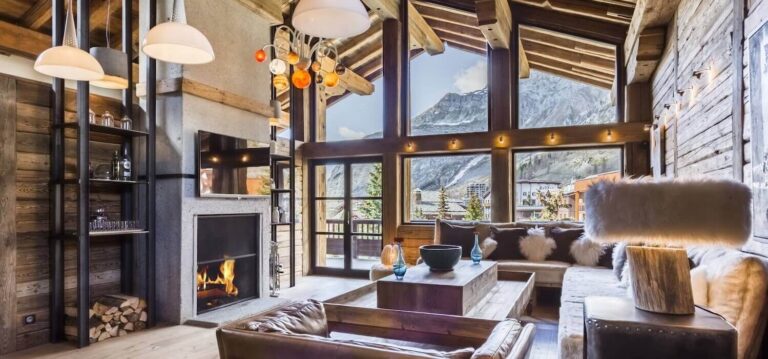
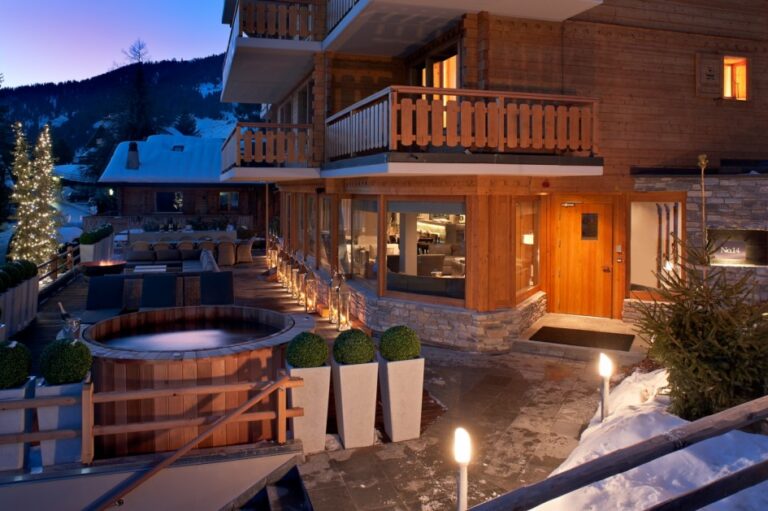
True architectural and operational excellence within the high-altitude romantic hospitality sector requires harmonizing regional cultural vernacular with strict structural performance standards and intimate spatial planning. Unlike urban boutique hotels, mountain chalets designed for romantic seclusion must withstand extreme environmental loads while providing an interior sanctuary of calm and warmth. High-performance continuous insulation, triple-glazed thermal-break window systems, heavily reinforced roof trusses, and advanced sub-grade moisture management are foundational engineering requirements rather than optional design features. Consequently, evaluators must look past decorative timber louvers, oversized stone hearths, and promotional sunset photography to assess structural load distribution, private spa ventilation, and energy efficiency compliance. Ultimately, failing to navigate these technical realities leads to chronic structural fatigue, high operating expenses, and severe asset degradation that disrupts guest tranquility.
Deep Contextual Background
The historical emergence of intimate alpine lodging traces back to the mid-nineteenth-century romantic movement, which transformed rugged mountain regions from forbidding agricultural landscapes into sanctuaries of aesthetic contemplation and personal refuge. Early travelers, poets, and newly married European nobility sought out remote pastoral shelters and converted coaching inns for quiet seclusion amidst dramatic peaks. These early retreats relied on simple wood-burning stoves, heavy masonry walls, and thick timber construction to provide basic shelter against harsh alpine winters.
As international tourism expanded and winter sports gained popularity through the twentieth century, alpine architecture shifted toward large commercial ski hotels designed to process high volumes of athletic guests. However, a distinct counter-movement emerged in response, focusing on boutique scale, privacy, and refined craftsmanship. Modern architects began designing intimate chalet-style properties that combined high-performance engineering with secluded guest suites, private wellness spas, and personalized butler services. Today, the contemporary sector of romantic mountain properties is driven by sophisticated spatial planning, advanced acoustic engineering, and bespoke culinary integration, turning historical alpine vernacular into exclusive sanctuaries for couples.
Conceptual Frameworks and Mental Models
Successfully evaluating and designing top-tier romantic alpine resort properties requires deploying rigorous analytical frameworks.
1. The Acoustic Seclusion versus Spatial Openness Index
This mental model measures the balance between creating expansive, light-filled interior spaces with panoramic mountain views and ensuring absolute acoustic privacy between guest suites and shared resort amenities. It evaluates how wall assemblies, heavy timber framing, and strategic floor-plate zoning eliminate unwanted noise transmission.
2. The Operational Discretion versus Hospitality Responsiveness Matrix
High-altitude boutique chalets catering to couples occupy a unique logistical challenge regarding service delivery. This framework analyzes the physical and operational separation of discreet back-of-house circulation corridors, private dining delivery hatches, and staff staging areas from primary romantic guest zones.
3. The Micro-Climatic Thermal Comfort and Wellness Model
Because mountain building sites experience severe temperature fluctuations and dry winter air, this mental model calculates how radiant floor heating systems, localized humidity controls, and private hydrotherapy suites maintain consistent thermal equilibrium and skin comfort for occupants.
Key Categories and Variations
The landscape of architectural layouts and structural archetypes for high-end romantic mountain properties comprises several distinct regional and modern variations.
| Property Category | Structural Architecture | Primary Architectural Focus | Operational Trade-off |
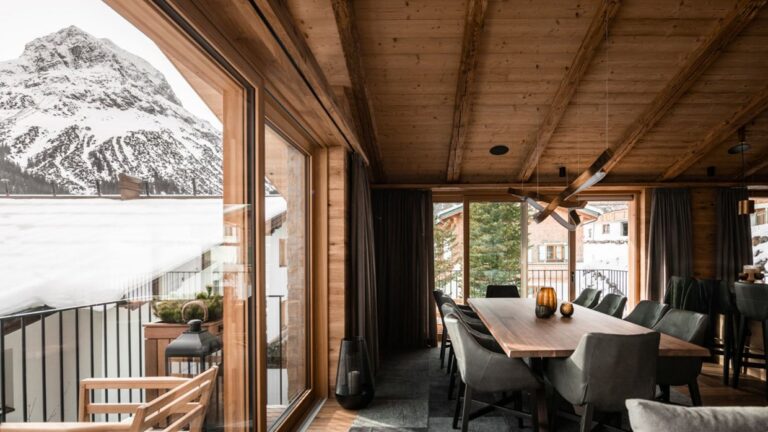
| Boutique Alpine-Modern Suite Chalet | Engineered steel and heavy timber frames with full-height glass | Expansive view framing; minimalist luxury interiors | Complex thermal envelope engineering; high initial capital cost |
| Traditional Historic Stone Refugio | Thick local quarried stone masonry with hand-hewn interior beams | Authentic rustic character; exceptional thermal mass retention | Limited natural light penetration; challenging MEP retrofits |
| Private-Use Whole Chalet Compound | Modular cross-laminated timber (CLT) with stacked stone podiums | Complete isolation; dedicated staff; custom wellness facilities | High exclusive-use buy-out cost; rigid booking calendars |
| Forest Canopy Eco-Chalet | Elevated glulam post-and-beam structures on sloping terrain | Immersive biophilic design; secluded treehouse aesthetic | Challenging winter accessibility; rigorous structural snow engineering |
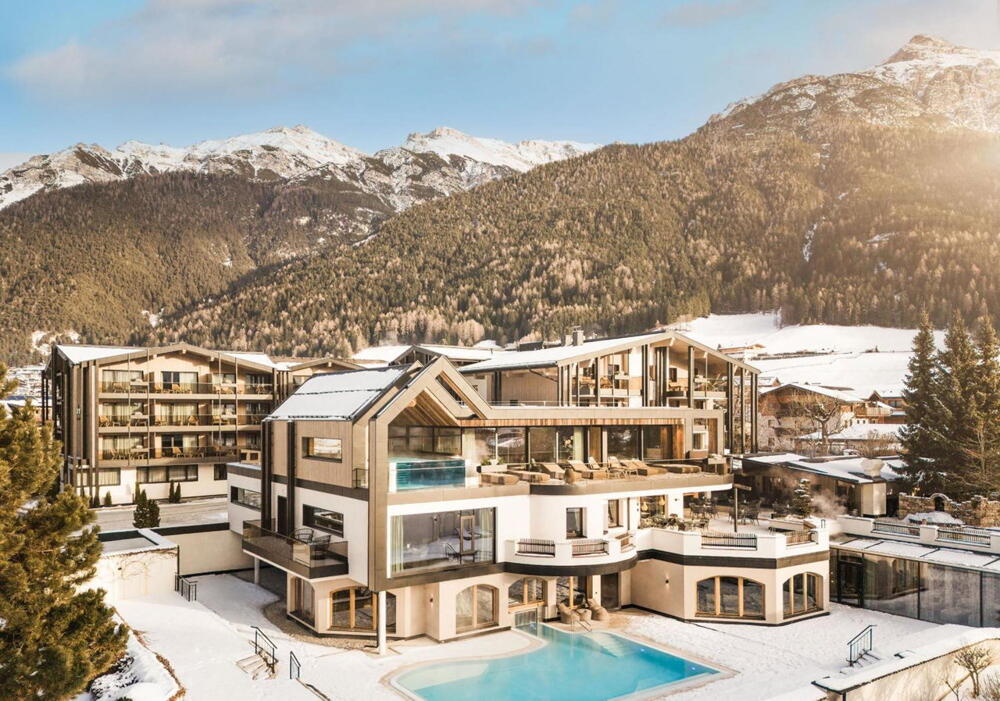
| Thermal Spa Integrated Lodge | Post-tensioned concrete slabs with natural slate and timber veneer | Direct indoor-to-outdoor hydrotherapy access; robust acoustics | Industrial structural transitions; intensive waterproofing maintenance |
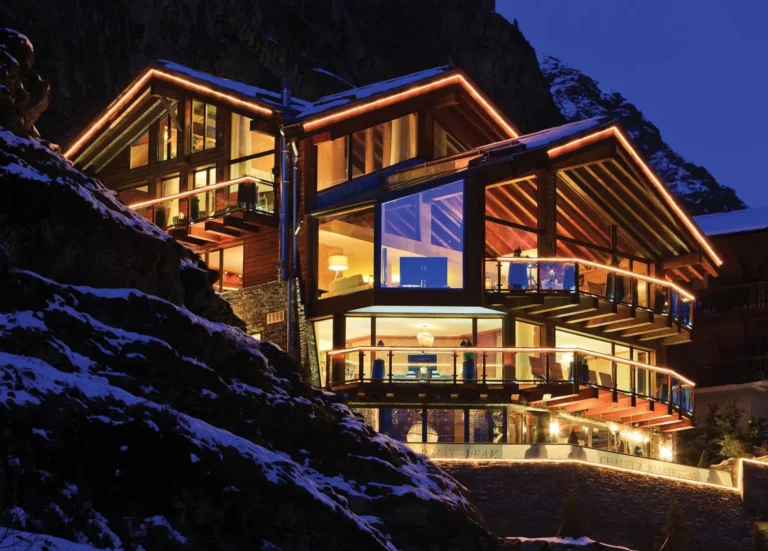
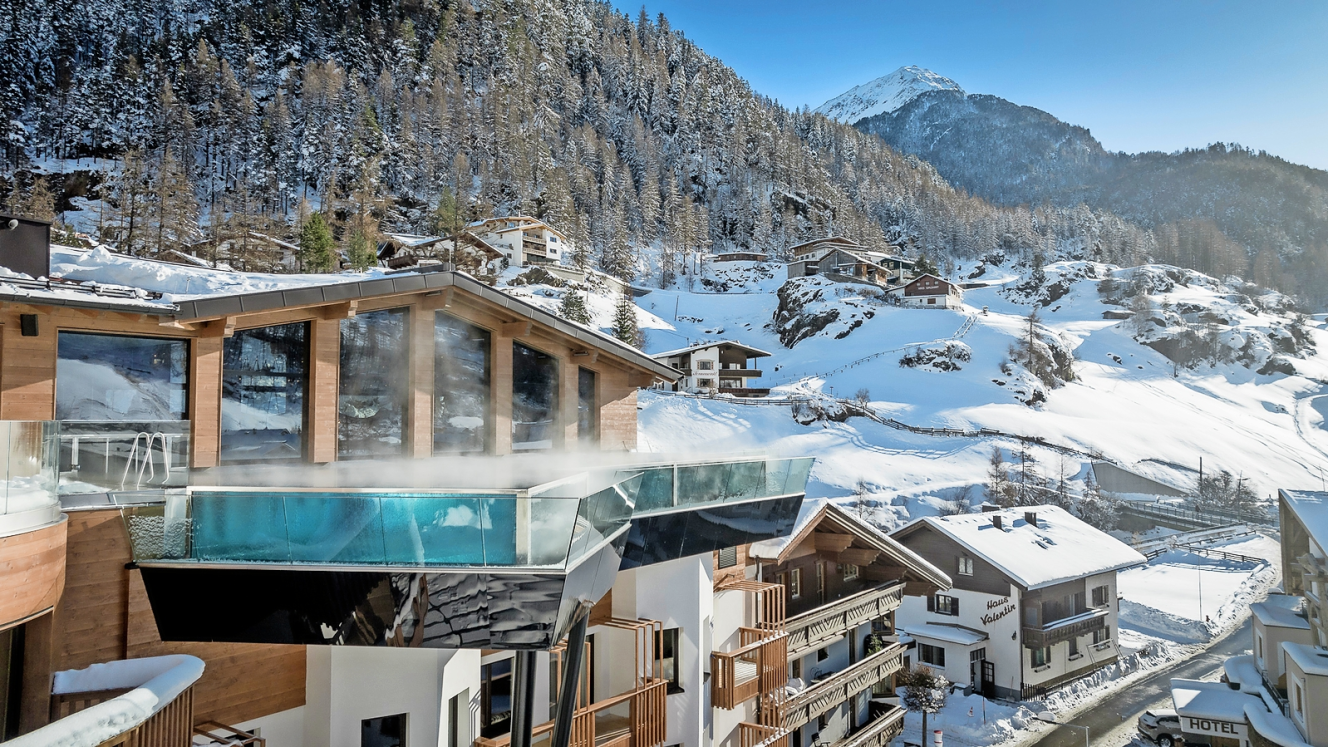
| Alpine Valley Cliffside Retreat | Cantilevered reinforced concrete anchored into solid bedrock | Dramatic hovering terraces; absolute visual privacy | Extreme site geotechnical engineering; high construction complexity |
Realistic Decision Logic
When couples or luxury travel planners evaluate properties to identify the best chalet hotels for honeymooners, selecting an appropriate spatial layout requires aligning structural typologies with seasonal climate profiles and personal privacy preferences. For couples prioritizing absolute isolation and custom-tailored romantic itineraries, securing an exclusive-use boutique chalet compound eliminates shared public spaces entirely. Conversely, for honeymooners seeking vibrant evening dining options paired with secluded daytime suites, a boutique alpine-modern hotel offering private spa suites provides an ideal operational balance. Therefore, planners must carefully weigh these structural trade-offs against regional weather patterns, wellness amenities, and overall noise attenuation standards.
Detailed Real-World Scenarios
1. The Acoustic Transmission Failure in Open-Plan Suites
A newly married couple staying at a newly constructed luxury chalet hotel experiences persistent acoustic disturbance from an adjacent guest suite due to inadequate sound-dampening insulation within shared partition walls. The failure stems from value-engineering decisions during construction that prioritized open-plan aesthetics over high STC (Sound Transmission Class) wall assemblies. This scenario illustrates the critical importance of rigorous acoustic engineering in romantic alpine lodging.
2. The Private Outdoor Jacuzzi Mechanical Freeze-Up
A boutique mountain lodge markets private outdoor hot tubs on every honeymoon suite terrace during peak winter months. During an unexpected polar vortex dropping temperatures far below seasonal norms, an uninsulated sub-floor water supply line freezes and bursts, flooding the mechanical equipment bay and canceling hydrotherapy access. This failure highlights the necessity of freeze-protected utility engineering in high-altitude environments.
3. The Remote Valley Access Road Snow-In and Itinerary Disruption
A secluded luxury chalet hotel experiences a massive overnight blizzard that blocks the only mountain access road. Because the property relies on external municipal snow-clearing services rather than dedicated on-site heavy machinery, incoming honeymoon guests are stranded at the valley base, missing their reserved check-in night. This event underscores the vital role of independent infrastructure redundancy in remote mountain hospitality.
4. The Excessive Indoor Humidity and Window Condensation Crisis
An intimate mountain chalet suite featuring an indoor plunge pool and steam shower suffers from severe interior window condensation and mold growth along timber window frames. The failure occurs because the mechanical HVAC ventilation system lacks sufficient continuous dehumidification capacity to handle high-humidity wellness amenities in cold climates.
Planning, Cost, and Resource Dynamics
The economic viability of high-end romantic alpine chalet properties depends on balancing capital-intensive construction standards against short seasonal operational windows and specialized guest service expectations.
-
Direct Capital Outlays: Procuring acoustic isolation materials, specialized high-altitude heating systems, private hydrotherapy installations, and bespoke interior millwork drives initial construction costs significantly higher than standard resort hotels.
-
Operational and Carrying Overhead: Maintaining continuous private butler services, customized gourmet dining programs, high-energy spa facilities, and specialized alpine structural maintenance drives ongoing operating expenditures.
-
Opportunity Costs and Seasonality: Navigating short construction seasons restricted by winter weather, local municipal review boards, and fluctuating romantic travel demand peaks requires precise financial management.
| Cost Dimension | Standard Urban Romantic Hotel | Traditional Ski Resort Lodge | High-End Romantic Alpine Chalet |
| Initial Construction Capital | Moderate (standard urban infill framing) | High (large-scale commercial hotel structure) | Very High (specialized acoustic and thermal engineering) |
| Acoustic & Privacy Upkeep | Standard drywall and carpet sound damping | High public area foot-traffic wear | Intensive multi-layer sound insulation and private zoning care |
| Wellness & Hydrotherapy Overhead | Centralized hotel pool and spa maintenance | Basic sauna and shared hot tub upkeep | Dedicated private suite plunge pools and hydrotherapy maintenance |
| Staff-to-Guest Ratio Investment | Standard 1:4 or 1:5 hotel staffing model | Moderate seasonal hospitality staffing | High 1:1 or 2:1 private butler and chef ratio |
Tools, Strategies, and Support Systems
Executing successful development and operational planning for luxury romantic alpine properties requires integrating specialized engineering, design, and digital management tools.
-
Acoustic Modeling Software (BIM Sound Transmission Analysis): Advanced digital simulation tools utilized to predict and eliminate noise bridging across multi-story timber and concrete chalet structures.
-
IoT-Enabled Environmental and Hydrotherapy Monitoring: Smart sensor arrays tracking suite humidity, radiant floor temperatures, hot tub chemical balance, and freeze-risk pipeline telemetry.
-
Bespoke Guest Itinerary and Preference Management Platforms: Secure digital CRM software used to record romantic preferences, dietary restrictions, spa schedules, and surprise anniversary or honeymoon arrangements.
-
Automated Thermal Envelope and Smart HVAC Control Systems: Integrated climate management software programmed to maintain optimal micro-climates within individual suites while minimizing energy waste.
-
Secure Digital Document and Privacy Execution Portals: Legal and administrative technology used to protect high-profile or celebrity honeymoon guests’ confidentiality and data security.
-
High-Altitude Geotechnical Stabilization Sensors: Monitoring equipment installed on steep slopes and retaining walls surrounding remote romantic chalets to track ground movement and avalanche safety.
Risk Landscape and Failure Modes
Operating and developing high-end romantic mountain properties introduces unique operational vulnerabilities that can compromise guest satisfaction and asset valuation if unmitigated.
-
Severe Acoustic Compromise in Shared Spaces: Inadequate sound insulation between suites or near public lounges can shatter the intimate atmosphere expected by honeymoon guests, leading to negative reviews.
-
Hydrotherapy Equipment Malfunction During Peak Stays: Failure of private hot tubs, steam showers, or sauna units during a short honeymoon visit severely damages guest relations and brand reputation.
-
Remote Logistical Isolation and Emergency Delays: Sudden weather emergencies or medical incidents in isolated mountain chalets can experience delayed emergency response times due to difficult topography.
-
Utility Overload During Extreme Cold Spaps: Unprecedented sub-zero temperatures can strain local electrical grids and property boilers, resulting in sudden heating failures in guest suites.
-
Seasonal Revenue Volatility from Unpredictable Snowpacks: Over-reliance on winter ski conditions can depress occupancy rates if warm winters deter travelers, necessitating robust year-round romantic positioning.
Governance, Maintenance, and Long-Term Adaptation
Maintaining elite structural and acoustic standards across high-altitude romantic chalet properties requires rigorous administrative oversight and cyclical maintenance protocols.
-
Pre-Winter Acoustic and Thermal Sealing Audits: Systematic engineering inspections of window gaskets, door seals, and acoustic partition joints prior to the peak winter season.
-
Cyclical Wellness Equipment Sanitization and Hydro-Testing: Rigorous weekly and monthly maintenance protocols for private plunge pools, steam generators, and sauna heating elements.
-
The Layered Operational Checklist:
-
Suite Acoustic and Privacy Check: Test all interior locking mechanisms, door seals, and sound dampening boundaries before guest arrival.
-
Hydrotherapy System Verification: Inspect and sanitize private hot tubs, check water chemistry, and test backup heating elements.
-
Micro-Climate and HVAC Calibration: Verify balanced airflow, humidity control, and radiant floor temperature responsiveness across all rooms.
-
Personalized Concierge Setup: Confirm all custom honeymoon amenities, flower arrangements, private dining menus, and transfer logistics are in place.
-
Measurement, Tracking, and Evaluation
-
Leading Indicators: Preventive maintenance work-order completion rates, indoor climate telemetry logs, and pre-arrival customization accuracy serve as early operational health signals.
-
Lagging Indicators: Honeymoon guest satisfaction scores, repeat anniversary booking rates, post-stay review sentiment analysis, and net operating income measure overall success.
-
Documentation Standards: Maintaining an exhaustive digital archive tracking acoustic engineering reports, wellness equipment maintenance logs, and guest preference history.
-
Benchmarking Analysis: Regularly comparing nightly rate premiums, romantic package conversion percentages, and winter energy efficiency metrics against luxury alpine portfolios.
Common Misconceptions and Oversimplifications
-
“Any luxury ski hotel automatically provides a romantic atmosphere for honeymooners.” Large commercial ski resorts often feature high foot traffic, noisy family corridors, and crowded public spaces that contradict the desire for seclusion.
-
“Traditional timber chalets are naturally quiet and acoustically private.” Hand-hewn timber framing without specialized sound-isolation layers frequently transmits impact and airborne noise between vertical levels.
-
“Outdoor hot tubs require minimal maintenance during sub-zero winter operations.” Private exterior hydrotherapy units require sophisticated anti-freeze circulation systems and daily chemical monitoring to prevent mechanical failure in alpine cold.
-
“Honeymoon travelers only care about aesthetic decor and scenic mountain views.” Flawless operational mechanics—such as reliable heating, silent ventilation, and absolute privacy—are foundational to a successful romantic stay.
-
“Remote mountain chalets are entirely self-sufficient during severe weather emergencies.” Isolated properties require robust infrastructure redundancy, including backup power generation and on-site snow-clearing heavy machinery.
-
“Summer in the Alps is secondary for romantic mountain travel.” Alpine summer seasons offer pristine hiking, wildflower meadows, and mild weather that increasingly attract honeymooners seeking quiet seclusion without winter crowds.
Ethical, Practical, and Contextual Considerations
Operating and developing high-end romantic alpine accommodations carries profound ethical responsibilities regarding environmental stewardship, wildlife preservation, and local community integration. Mountain ecosystems are exceptionally fragile, requiring developers to minimize site disruption, preserve natural hydrology, and implement sustainable waste management practices. Furthermore, operators must respect local community traditions and contribute to sustainable regional infrastructure development. By prioritizing discreet, low-impact design and environmental protection, properties ensure that their surrounding natural sanctuaries remain pristine for future generations of travelers.
Conclusion
The architectural and operational evolution of high-altitude romantic chalet properties represents a sophisticated synthesis of structural engineering and intimate hospitality design. Success in this specialized domain requires moving past superficial marketing tropes to prioritize rigorous structural integrity and absolute spatial privacy. Through patience, intellectual honesty, and an unwavering commitment to operational excellence, developers, asset managers, and operators can safeguard these vital alpine sanctuaries for years to come.