Best Chalet Hotels for Families: American Multi-Generational Alpine Guide
Evaluating high-altitude hospitality tailored for multi-generational groups across the United States requires navigating complex structural architectures, safety compliance standards, and intricate logistical coordination. Across the Rocky Mountains, the Cascades, and the Northeast ridges, property developers, estate managers, and family travel coordinators continually balance multiple priorities. Specifically, they weigh expansive spatial privacy against child-friendly safety engineering and sophisticated adult amenities. Therefore, industry stakeholders must evaluate these family-focused properties with rigorous analytical depth. Surface-level resort brochures and generic family travel blogs frequently fail to capture the profound structural realities governing multi-room alpine assets. Consequently, achieving long-term operational success requires managing delicate trade-offs. For instance, operators must balance acoustic isolation with flexible room configurations, accessible slopeside transit, and dedicated youth programming. As a result, these operational choices tie property valuation and guest retention directly to meticulous architectural and service design.
Furthermore, analyzing these elite family-oriented assets sheds light on broader demographic shifts shaping modern domestic mountain tourism. Changing family travel patterns, accelerated demand for integrated wellness and children’s activity programming, and rising land acquisition costs have fundamentally transformed how family alpine properties are built and managed. Properties that successfully integrate multi-suite bedroom wings, secure gear-fitting boot rooms, and tailored youth concierge services serve as stable financial anchors within regional tourism markets. Consequently, mastering the characteristics of these elevated assets requires a detailed systemic framework. This inquiry explores the deep economic and structural factors shaping family-oriented mountain lodging.
Ultimately, achieving a comprehensive understanding of premier family accommodations demands structured governance. By breaking down how properties handle spatial zoning, child safety infrastructure, seasonal yield management, and multi-generational service delivery, stakeholders navigate the competitive landscape of American alpine real estate effectively. Therefore, this guide serves as a definitive reference for understanding family-focused lodging mechanics. It outlines the strategic choices that govern exceptional multi-generational mountain resort experiences across the country.
Understanding “Best Chalet Hotels for Families”
Semantic Ambiguity and Architectural Boundaries
Evaluating the classification, operational standards, and spatial requirements involved in best chalet hotels for families requires navigating profound semantic ambiguity. This ambiguity spans real estate development, hospitality rating systems, and family travel sectors. Property managers, tour operators, and multi-generational travelers frequently conflate compact studio hotel rooms with adjoining doors, sprawling multi-story private chalet residences, all-inclusive family resort lodges, and condominium-hotel hybrids. However, this broad generalization obscures massive variances in acoustic privacy, child safety infrastructure, and kitchen facility access. For instance, a traditional hotel suite provides daily housekeeping and room service. Yet, it lacks private family dining spaces and secure multi-bedroom clustering. Conversely, an exclusive-use private chalet offers complete domestic autonomy and custom-tailored children’s menus. However, it requires independent coordination of housekeeping and childcare. Therefore, analysts must inspect micro-level property specifications closely. Acoustic baffling ratings and stairwell safety compliance demand constant oversight.
Safety Engineering versus Residential Comfort
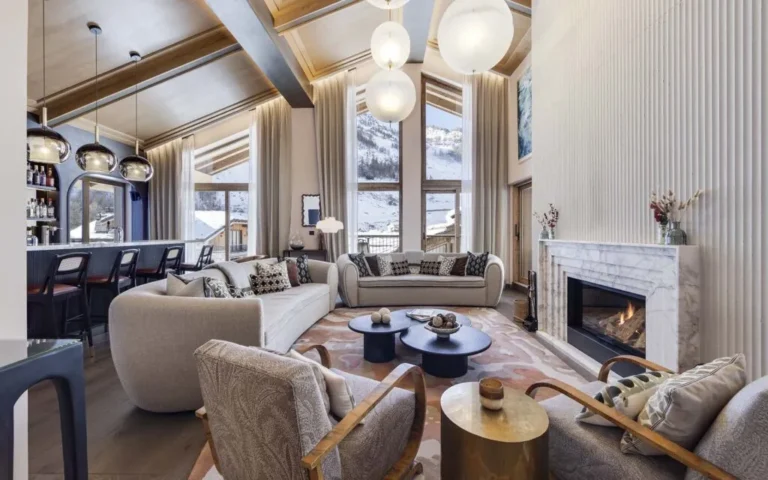
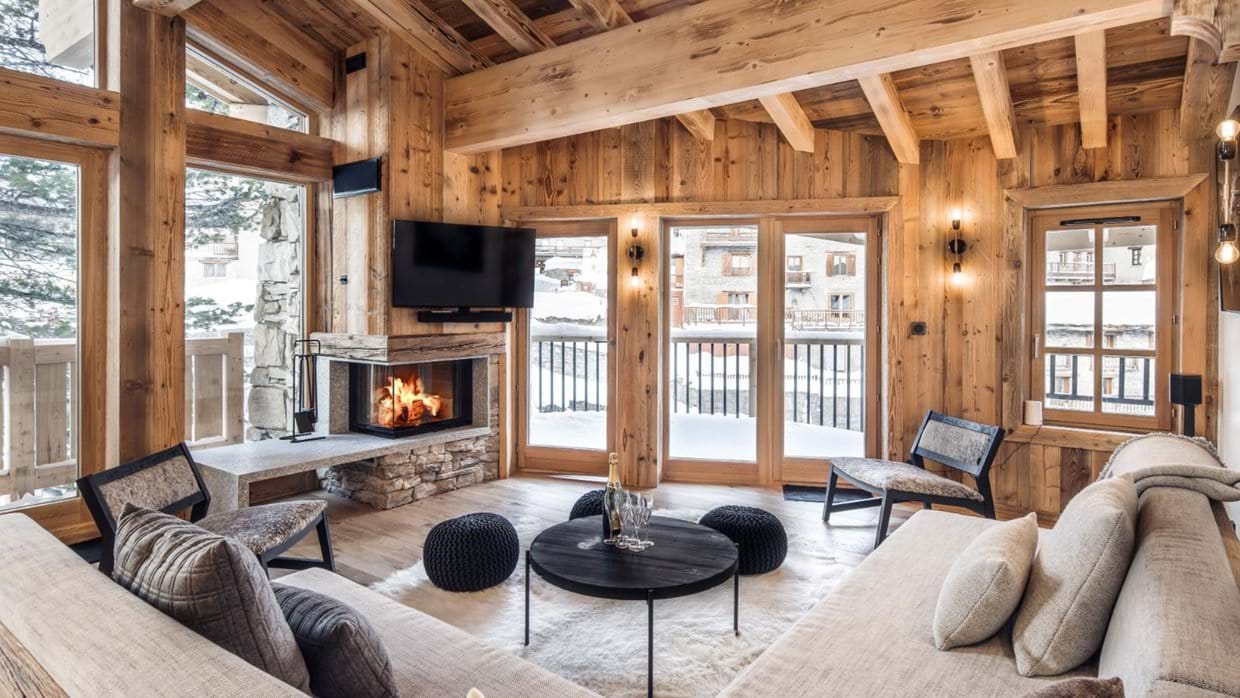
True excellence within family-oriented high-altitude hospitality requires harmonizing uncompromising child safety engineering with refined interior luxury. Unlike standard adult-focused boutique hotels that feature open loft staircases, exposed stone hearths, and delicate designer furnishings, family alpine properties must incorporate robust architectural safeguards. Evaluators must look past superficial timber-and-stone aesthetics. Instead, they must assess actual stair gate anchoring, window restriction locks, heated flooring temperature regulations, and non-slip surface treatments accurately. Ultimately, failing to master these operational realities leads directly to household accidents, parental stress, and compromised guest satisfaction.
Deep Contextual Background
The historical evolution of family-oriented mountain hospitality in the United States traces back to early railway resorts, national park lodges, and traditional dude ranches established during the early twentieth century. During this foundational era, properties in places like Glacier National Park and the Colorado Rockies prioritized communal gathering spaces, rustic dining halls, and outdoor trail access designed to accommodate mixed-age groups. These early mountain lodges relied heavily on shared recreational programming and large stone hearths. Consequently, they established the communal blueprint for multi-generational mountain travel.
Following the post-war expansion of commercial ski infrastructure across Colorado, Utah, and Vermont, family mountain accommodations underwent a radical architectural and operational transformation. Independent lodges evolved into sophisticated resort hotels featuring dedicated ski schools, children’s club facilities, and interconnected family suites. Furthermore, this commercial maturation introduced complex interior safety engineering. Key elements included secure elevator access controls, temperature-regulated domestic water systems, and soundproofed common areas. In recent decades, the shift toward experiential family travel and flexible multi-suite configurations has accelerated the demand for deeply specialized family properties. Today, contemporary high-end family alpine assets are driven by advanced building automation, smart climate controls, and bespoke concierge networks. Ultimately, these upgrades turn historical family cabins into sophisticated architectural masterpieces.
Conceptual Frameworks and Mental Models
Successfully evaluating and classifying premier family mountain accommodations requires deploying rigorous analytical models. These models balance spatial safety against multi-generational convenience.
1. The Acoustic Isolation versus Communal Integration Matrix
This mental model measures the balance between private bedroom suite separation—preventing early-rising children from waking grandparents—and open central living areas designed for family gathering. Additionally, it evaluates how architectural zoning reduces friction among mixed-age groups.
2. The Slopeside Accessibility versus Child Logistics Spectrum
Family mountain properties span from immediate ski-in, ski-out locations to remote valley estates requiring shuttle transport. Therefore, this framework analyzes a critical factor. It examines how walking distances in heavy winter gear impact children’s energy levels and parent transit stress.
3. The Child Safety Engineering versus Interior Aesthetics Balance
Family alpine properties must blend rigorous safety features with luxury interior design. Consequently, this mental model calculates how concealed safety latches, tempered glass fireplace guards, and durable performance fabrics support sophisticated aesthetic standards.
Key Categories and Variations
The landscape of premier family-oriented mountain lodging across the United States comprises several distinct commercial and architectural variations.
| Property Category | Primary Architectural Style | Operational Model | Strategic Trade-off |
| Slopeside Family Suites | Contemporary alpine timber fusion | Full-service hotel management | Maximum slope access; shared corridor noise |
| Private Multi-Bedroom Chalets | Custom mountain timber and stone | Exclusive-use rental management | Ultimate family privacy; higher base tariff |
| Condo-Hotel Family Hybrids | Multi-unit residential clusters | Resort management pool | Full kitchens and laundry; variable interior finish |
| All-Inclusive Family Ranches | Historic Western heavy timber | Guided program resort operation | Structured children’s activities; fixed scheduling |
| Boutique Historic Lodge Conversions | Restored Victorian or frontier facades | Independent boutique hospitality | High cultural character; potential layout constraints |
| Master-Planned Village Residences | Neo-traditional chalet clusters | Branded property management | Pedestrian village access; high public foot traffic |
Realistic Decision Logic
When family travel coordinators and multi-generational groups evaluate options regarding best chalet hotels for families, selecting an appropriate property category requires aligning family age demographics with resort logistics. For families with young children learning to ski, booking a slopeside family suite or condo-hotel in Deer Valley or Beaver Creek minimizes exhausting equipment carrying. Conversely, for large multi-generational family reunions spanning grandparents to toddlers, renting an exclusive private chalet residence in Aspen or Jackson Hole provides superior acoustic separation and private dining control. Therefore, stakeholders must carefully weigh these structural trade-offs against budgetary constraints and childcare service requirements.
Detailed Real-World Scenarios
1. The Multi-Generational Noise Conflict and Acoustic Failure
A large family spanning three generations books a luxury multi-room chalet. Due to poor sound insulation between the main-floor open-plan living area and the lower-level secondary bedroom suite, early-rising young grandchildren routinely wake sleeping grandparents at dawn. Because the property lacks proper acoustic baffling and solid-core doors, family friction mounts. Consequently, this scenario illustrates the critical need for advanced acoustic zoning in family resort design.
2. The Slopeside Transit Fatigue and Equipment Logistics Breakdown
A family with small children rents a high-end mountain chalet advertised as “near the slopes,” failing to realize the property requires a steep four-hundred-yard walk up an icy hill in full ski gear. Every morning departure turns into a logistical crisis. Specifically, it involves crying children, dropped ski poles, and exhausted parents. Ultimately, this highlights the necessity of verified ski-in, ski-out or dedicated private shuttle transport.
3. The Unsecured Fireplace Hearth and Safety Hazard
A family group checks into an ultra-luxury chalet featuring a minimalist, flush-to-the-floor stone fireplace without a protective safety screen or perimeter barrier. Within hours of arrival, a toddler trips near the active stone hearth, suffering minor burns and cutting the family vacation short. This incident underscores the non-negotiable requirement for child-safety engineering in premier family accommodations.
4. The Dietary Incompatibility and Kitchen Equipment Limitation
A family traveling with children suffering from severe food allergies rents a luxury chalet advertised as having a gourmet kitchen. Upon arrival, they discover the kitchen lacks a separate toaster and dedicated prep surfaces. As a result, this increases the risk of cross-contamination and forces management to hastily procure specialized appliances.
Planning, Cost, and Resource Dynamics
The economic viability and pricing structure of elite family mountain accommodations depend on balancing child-specific capital investments against seasonal family holiday demand.
-
Direct Child-Safety and Amenity Outlays: Installing custom stair gates, tempered glass fireplace guards, portable cribs, and high chairs requires continuous capital investment.
-
Specialized Family Staffing Overhead: Maintaining certified youth program coordinators, private family ski instructors, and specialized childcare partners demands robust operational budgets.
-
Opportunity Costs: Failing to capture peak school-holiday booking windows—such as Thanksgiving, Christmas, and Presidents’ Day—results in severe annual revenue shortfalls.
| Cost Dimension | Standard Adult Luxury Hotel | Couples Alpine Boutique | Elite Family Chalet Property |
| Capital Safety Outlays | Minimal (standard commercial code) | Low (adult-oriented design focus) | High (custom childproofing and security locks) |
| Spatial Square Footage per Guest | Moderate (optimized for double occupancy) | Compact (intimate boutique footprint) | Extensive (multi-room suites and play spaces) |
| Ancillary Family Services | Rare (adult wellness focus) | Limited (romance and dining packages) | Comprehensive (childcare, gear fitting, and kids’ menus) |
| Holiday Demand Compression | Moderate (general holiday spikes) | High (romantic and winter peaks) | Extreme (synchronized with school district calendars) |
Tools, Strategies, and Support Systems
Executing successful family-oriented operations and trip planning across luxury American mountain properties requires integrating specialized digital platforms and child-safety asset management tools.
-
Family-Centric Property Management Systems (PMS): Centralized software configured to track child ages, bed configurations, crib requests, and high chair allocations accurately.
-
Pre-Arrival Family Preference Portals: Secure digital intake forms used to collect precise children’s ski rental sizes, dietary restrictions, and nap schedules prior to check-in.
-
Integrated Childcare and Ski School Scheduling Software: Digital tools connecting family guests directly with certified local ski instructors and licensed childcare providers.
-
IoT Smart Safety and Temperature Monitors: Advanced building automation sensors monitoring indoor air quality, floor surface temperatures, and window security latches.
-
Private Shuttle Dispatch and Tracking Apps: Real-time mobile platforms allowing families to coordinate private on-demand village transport without long wait times.
-
Secure Financial Ledger Systems: Encrypted accounting tools designed to handle split multi-family billing arrangements and security deposits seamlessly.
Risk Landscape and Failure Modes
Operating and investing in family-oriented high-altitude hospitality assets introduces unique vulnerabilities. If unmitigated, these vulnerabilities can compromise financial returns and guest safety.
-
Severe Child Safety and Liability Incidents: Failing to maintain rigorous childproofing standards can result in tragic household accidents and catastrophic legal liabilities.
-
Acoustic Design Failures and Guest Dissatisfaction: Inadequate soundproofing between multi-generational bedrooms leads directly to severe sleep disruption and ruined family vacations.
-
Logistical Failures in Ski Equipment and Child Transit: Inefficient gear-fitting processes and poor slope access can overwhelm families, destroying the convenience factor of luxury travel.
-
Rigid Holiday Demand Volatility: Over-relying on school calendar windows creates extreme cash flow gaps during spring and autumn shoulder months.
-
Staffing Structures in Specialized Youth Care: The scarcity of certified childcare professionals in remote resort towns can severely constrain family service delivery.
Governance, Maintenance, and Long-Term Adaptation
Maintaining elite physical and operational standards across family-oriented mountain portfolios requires rigorous governance protocols and cyclical reviews.
-
Pre-Season Child Safety and Equipment Audits: Systematic technical inspections of all stair gates, window locks, fireplace screens, portable cribs, and high chairs prior to family arrivals.
-
Cyclical Staff Training on Family Hospitality: Regular educational workshops for front-desk, housekeeping, and concierge teams regarding child psychology, allergy safety, and patience management.
-
The Layered Operational Checklist:
-
Child Safety Hardware Inspection: Verify that all tamper-proof outlet covers, stair latches, and window restriction cables are fully functional.
-
Bedding and Suite Configuration Check: Ensure all rollaway beds, cribs, and adjoining door locks match the exact family demographic specified in pre-arrival forms.
-
Ski Equipment Delivery Synchronization: Confirm that mobile ski rental fitters are scheduled to visit the chalet prior to the children’s first morning on the slopes.
-
Post-Season Family Feedback Review: Complete a comprehensive analysis of family guest surveys, maintenance work orders, and safety incident reports within thirty days of season close.
-
Measurement, Tracking, and Evaluation
-
Leading Indicators: Family pre-arrival preference completion rates, equipment rental advance bookings, and multi-generational booking pacing serve as early health signals.
-
Lagging Indicators: Net promoter scores from family bookers, maintenance work order frequencies related to child amenities, and repeat family retention rates measure overall success.
-
Documentation Standards: Maintaining an exhaustive digital archive tracking historical safety inspection certificates, family complaint logs, and suite configuration modifications.
-
Benchmarking Analysis: Regularly comparing family satisfaction scores, children’s program utilization rates, and multi-generational pricing structures against competitive regional portfolios.
Common Misconceptions and Oversimplifications
-
“Any luxury mountain chalet is inherently suitable for families with small children.” Adult-oriented luxury chalets often feature dangerous open staircases, delicate furnishings, and lack essential child safety infrastructure.
-
“Slopeside access means zero walking or logistical friction for young children.” Even slopeside properties can require navigating long hotel corridors, heavy ski boots, and icy outdoor plazas without proper elevator connections.
-
“Acoustic privacy is guaranteed simply by booking a multi-bedroom chalet.” Many open-plan alpine chalets feature vaulted ceilings and hard wood surfaces that amplify sound. Consequently, they require specialized acoustic engineering to isolate multi-generational sleeping areas.
-
“Childcare and ski school enrollment can easily be arranged on the morning of arrival.” Premier resort ski schools and private childcare services book out months in advance during peak family holiday weeks. Therefore, they require rigorous advance planning.
-
“Kitchen facilities in rental chalets eliminate the need for family-friendly restaurant reservations.” Traveling with multi-generational groups often creates complex cooking and dining friction unless private chefs or pre-stocked grocery options are arranged.
-
“Family resort safety standards are universally regulated across all US mountain states.” Municipal safety codes vary widely. As a result, this necessitates independent verification of childproofing and building envelope security by property managers.
Ethical, Practical, and Contextual Considerations
Operating and visiting elite family-oriented mountain accommodations carries profound ethical responsibilities regarding child safety, fair labor practices for childcare staff, and environmental stewardship. Property operators must ensure that all children’s programs, adventure activities, and transport services adhere to the highest safety and licensing standards. Furthermore, supporting fair wages and professional development for local childcare workers and youth instructors is critical to maintaining a stable, compassionate local hospitality workforce. By upholding transparent, safe, and socially responsible operational practices, stakeholders ensure that multi-generational American mountain tourism remains vibrant, ethical, and sustainable for future generations.
Conclusion
The evolution of premier family-oriented high-altitude hospitality within the United States represents a sophisticated synthesis of architectural safety engineering, multi-generational spatial design, and bespoke family service delivery. By balancing acoustic isolation, child-friendly safety protocols, and seamless slope access, the properties examined reflect the pinnacle of family mountain living. Success in this specialized sector requires moving past superficial promotional claims to master structural durability, family logistics, and rigorous safety governance. Through patience, editorial rigor, and an unwavering commitment to operational excellence, stakeholders can sustain these vital family alpine destinations for generations to come.