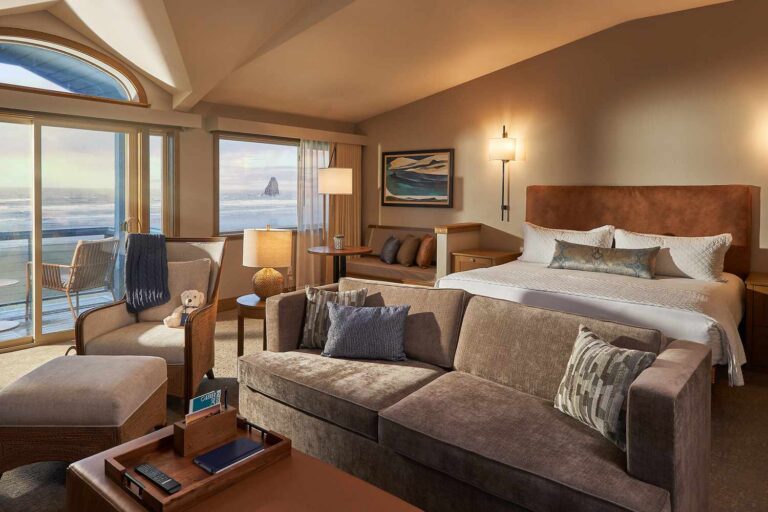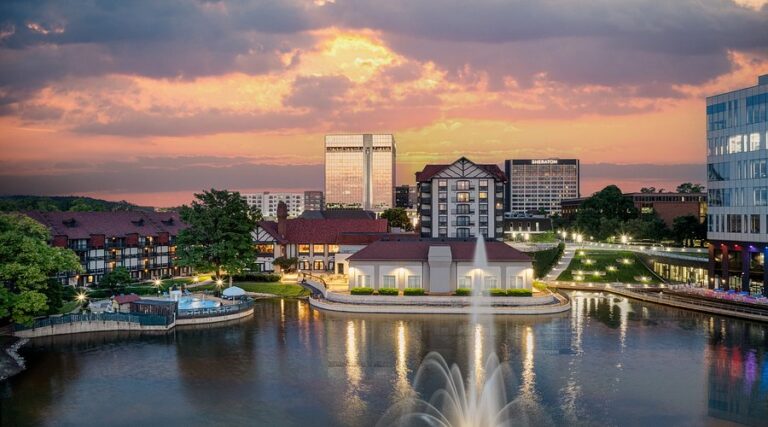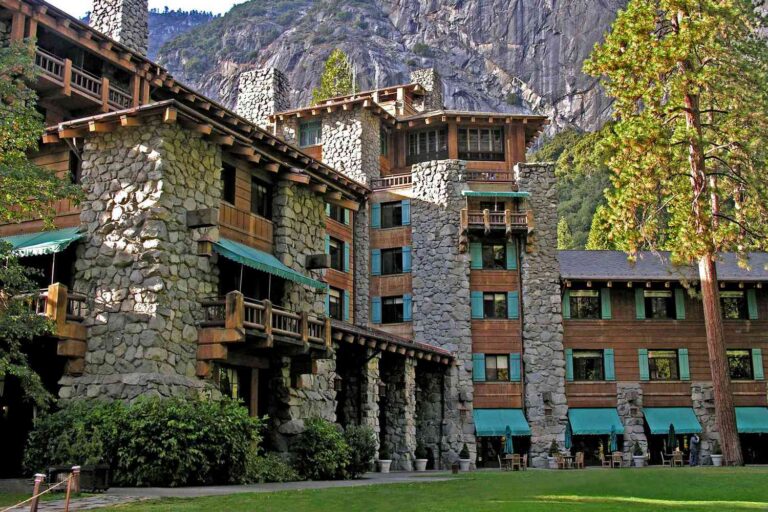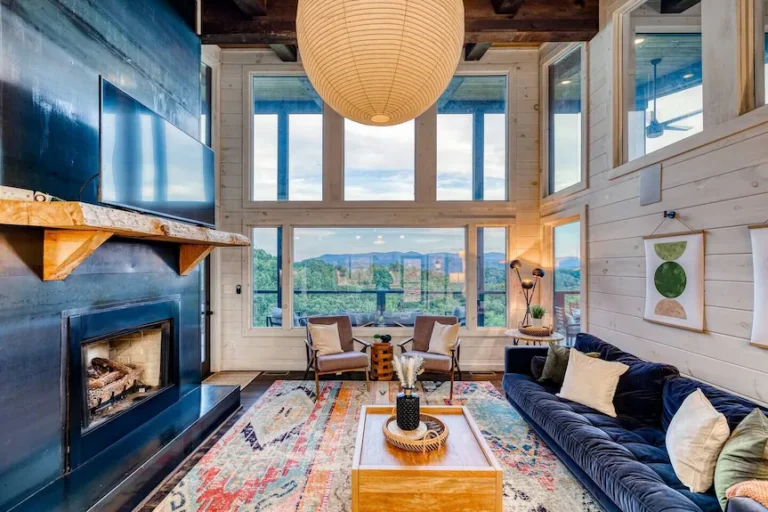
Best Beachfront Chalet Hotels in the US: Ultimate Coastal Guide
Merging the alpine-derived structural typology of timber-framed chalets with high-end coastal geography creates an intriguing architectural contradiction across American shorelines. While traditional chalets developed in mountainous regions to shed heavy winter snow via steep gable roofs, their modern coastal adaptions fuse exposed heavy timber, expansive glass walls, and multi-level viewing decks directly with dynamic marine environments. However, surface-level travel marketing frequently mislabels standard beachfront condominiums or generic beach motels as authentic coastal chalets, blurring the distinctions of true architectural design and spatial planning. Furthermore, property developers and hospitality managers continually refine these coastal enclaves to withstand harsh marine corrosion while maintaining pristine oceanfront luxury. As a result, long-term asset integrity and guest satisfaction depend heavily on specialized building science and rigorous coastal engineering.
Additionally, achieving sustainable hospitality operations within high-salinity shoreline zones requires balancing delicate trade-offs between open-air structural exposure and absolute weather protection. For instance, properties must manage expansive floor-to-ceiling glass exposure to sea breezes alongside high-performance corrosion-resistant framing materials. Consequently, these structural choices tie financial durability directly to thoughtful coastal architecture and continuous material maintenance. Moreover, analyzing specialized coastal hospitality workflows sheds light on broader shifts in high-end resort development. Therefore, this guide details the best beachfront chalet hotels in the us across premier oceanfront portfolios.
Understanding Best Beachfront Chalet Hotels in the US
Semantic Ambiguity and Structural Boundaries
Evaluating the best beachfront chalet hotels in the us involves navigating complex terminology across coastal real estate, architectural history, and luxury hospitality management. Property analysts and travel coordinators frequently conflate standardized seaside resort towers with architecturally distinct coastal chalets that feature bespoke timber framing, elevated piling foundations, and direct shoreline access. However, this general assumption obscures massive structural variances in regional geography, tidal dynamics, and building codes across the Atlantic, Pacific, Gulf of Mexico, and Great Lakes shores.
For instance, a coastal timber chalet on the rugged, wave-battered shores of the Pacific Northwest requires heavy-gauge structural steel fasteners and specialized wind-shear engineering to survive relentless winter gales. Conversely, a luxury beach chalet along the sun-drenched, shallow coastal keys of Florida prioritizes elevated open-air verandas, hurricane-rated impact glass, and marine-grade aluminum framing to resist salt-air corrosion and tropical storm surges. Therefore, hospitality operators and estate investors must inspect micro-level zoning laws, coastal erosion buffer zones, and structural load specifications closely.
Analytical Rigor versus Surface Impressions
True expertise in evaluating elite coastal chalet properties requires balancing quantitative material durability metrics against qualitative scenic integration. Unlike urban boutique hotels that rely on municipal infrastructure protection, beachfront properties exist within hostile, highly corrosive marine environments. When experienced operators analyze the best beachfront chalet hotels in the us, they look past superficial marketing imagery highlighting panoramic ocean vistas. Instead, they assess foundation piling depths, corrosion-resistant exterior timber treatments, and independent storm-surge mitigation systems. Ultimately, failing to master these engineering and operational realities leads directly to rapid structural degradation, soaring maintenance overheads, and compromised guest safety.
Deep Contextual Background
The historical evolution of coastal chalet architecture in the United States traces back to mid-century modern beach communities, Pacific Northwest maritime building traditions, and early East Coast shingle-style resort architecture. During this foundational era, builders began adapting heavy timber framing and steep roof overhangs from alpine traditions to create weather-resistant coastal retreats capable of shedding heavy maritime precipitation and ocean winds.
Following the late-twentieth-century expansion of luxury coastal tourism in states like California, Oregon, Maine, and Florida, seaside lodging underwent a structural shift toward bespoke architectural enclaves and private boutique estates. Independent developers began blending traditional chalet forms with modern coastal layouts, incorporating expansive multi-level glass walls to frame uninterrupted ocean horizons. In recent decades, the shift toward ultra-luxury experiential travel and private enclave living has accelerated the demand for architecturally daring, highly resilient coastal retreats. Today, contemporary American beachfront chalets rely on engineered mass timber, corrosion-resistant marine alloys, and smart building automation to oversee high-value portfolios safely.
Conceptual Frameworks and Mental Models
Successfully evaluating and developing premier coastal chalet properties across the United States requires deploying rigorous analytical models. These models balance architectural openness against maritime environmental resilience.
1. The Marine Corrosion-Resistance Gradient
This mental model measures how effectively building materials—such as structural fasteners, window frames, and exterior timber coatings—withstand continuous exposure to salt spray, high humidity, and sea air.
2. The Tidal Surge and Elevation Matrix
Property operators must evaluate how rising sea levels, storm surges, and extreme tidal fluctuations impact foundational integrity and lower-level utility access.
3. The Indoor-Outdoor Spatial Continuum
This model analyzes the strategic trade-off between maximizing panoramic ocean views through extensive glass walls and maintaining structural shear strength against high-velocity coastal wind loads.
Key Categories and Variations
The landscape of premier coastal chalet properties across the United States comprises several distinct structural and architectural variations.
| Chalet Category | Primary Regional Focus | Typical Architectural Features | Strategic Trade-off |
| Pacific Northwest Maritime Timber Lodges | Oregon Coast, Washington, Northern California | Massive cedar logs, multi-tier cantilevered viewing decks, heavy gable roofs | Exceptional wind resistance; high ongoing timber maintenance in wet climates |
| New England Shingle-Style Coastal Chalets | Maine, Cape Cod, Rhode Island | Weathered cedar shingles, steep pitched roofs, wrap-around screened porches | Classic New England aesthetic; rigorous moisture and rot management |
| Southern Lowcountry Elevated Beach Chalets | South Carolina, Georgia, Outer Banks | Raised timber pilings, wide shaded verandas, open breezeways | Maximizes airflow and flood mitigation; vulnerable to severe tropical storm forces |
| Florida Keys Marine-Grade Eco-Chalets | Florida Keys, Gulf Coast | Impact-resistant glass walls, marine-grade aluminum framing, raised stilt foundations | Unobstructed tropical views; intensive maintenance against high humidity and salt |
| Great Lakes Shoreline Timber Retreats | Michigan, Door County, Minnesota | Heavy timber post-and-beam construction, native stone fireplaces, sloped snow-shedding roofs | Robust multi-season durability; limited swimming seasons due to regional winters |
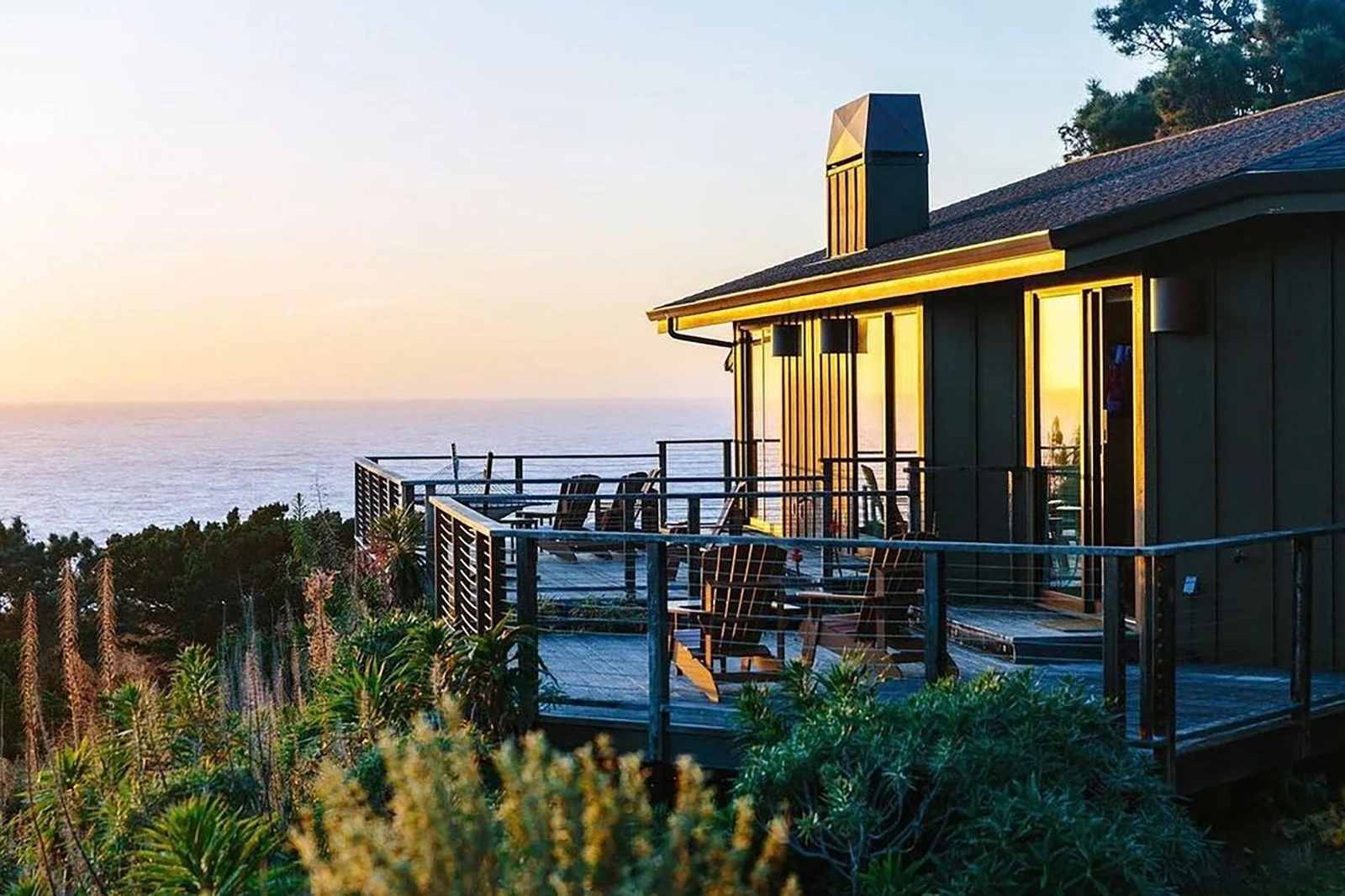
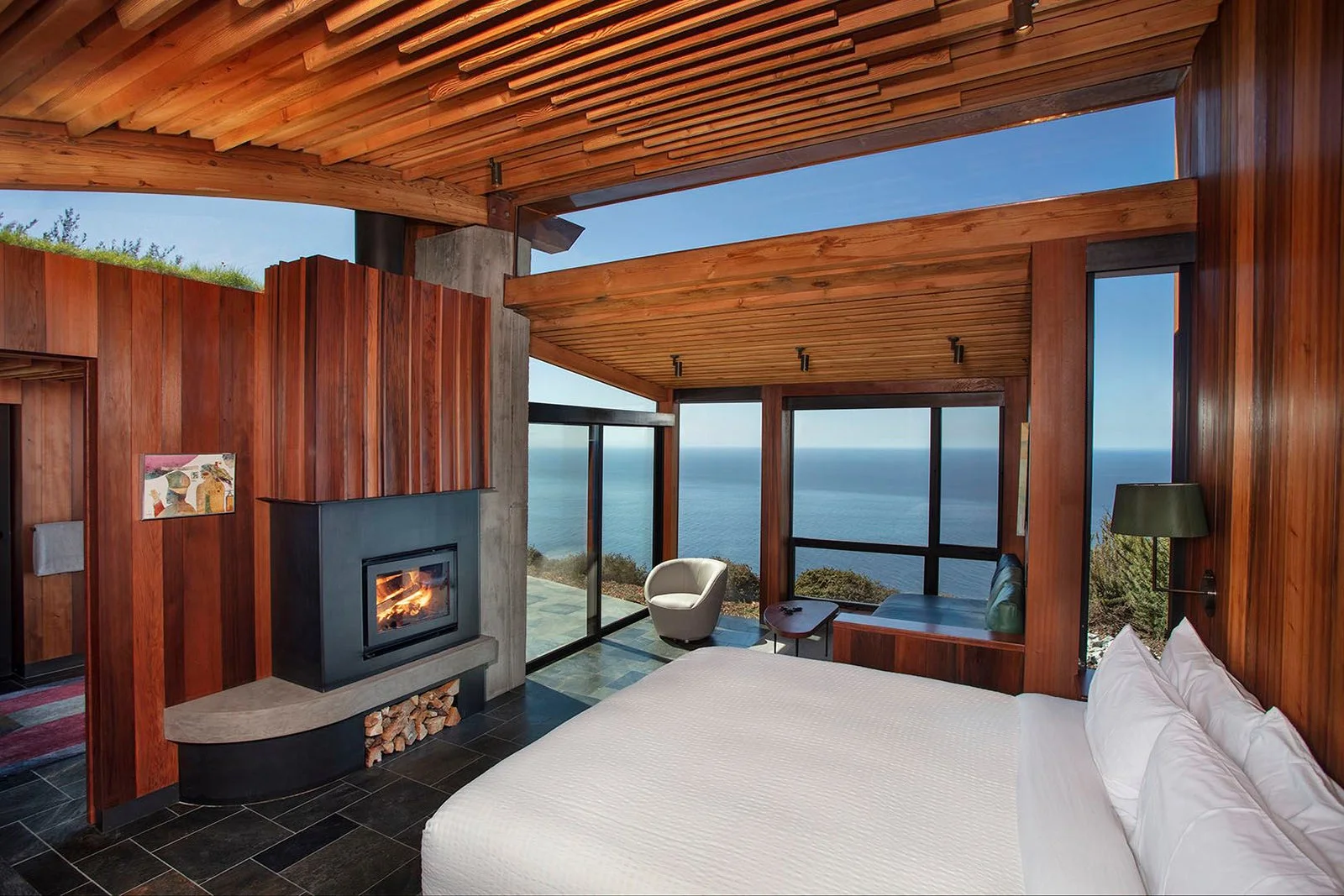
| Southern California Modern Glass Chalets | Big Sur, Malibu, San Diego | Steel-reinforced timber frames, sliding glass walls, terraced cliffside sun decks | Spectacular ocean panoramas; high exposure to coastal salt fog and seismic shifts |
Realistic Decision Logic
Selecting an appropriate design and operational model for beachfront chalet properties requires aligning local marine climate severity with target guest demographics. For properties situated on wave-swept northern rocky coasts, prioritizing heavy timber framing and deep-set piling foundations prevents structural undermining during severe winter storm surges. Conversely, for secluded sandy-shore retreats in subtropical regions, engineering elevated stilt structures with wide shaded verandas optimizes natural sea breezes while protecting living quarters from coastal flooding.
Detailed Real-World Scenarios
1. The Pacific Northwest Storm-Resilient Timber Retrofit
A luxury coastal chalet on the Oregon coast replaces standard window frames with marine-grade stainless steel fixtures and heavy laminated impact glass, successfully protecting its interior from high-velocity winter gales and driving salt spray without sacrificing panoramic ocean views.
2. The Elevated Piling Foundation Upgrade in the Outer Banks
Facing increasing coastal erosion and storm surge risks, an upscale beachfront chalet compound installs deep-driven helical steel piles and reinforced concrete grade beams, elevating the main living quarters well above maximum flood levels while maintaining direct beach access.
3. The Salt-Air Timber Preservation Protocol in Maine
An exclusive New England coastal retreat implements an aggressive bi-annual maintenance cycle utilizing specialized marine penetrating oils and UV-resistant sealants on its exposed cedar siding, preventing wood rot and preserving the natural aesthetic finish against harsh Atlantic weather.
4. The Smart Automated Hurricane Shutter Integration in Florida
A luxury Gulf Coast chalet incorporates motorized louvered aluminum shutters that deploy automatically via wind-speed sensors when tropical storm thresholds are reached, safeguarding the property’s expansive glass facade during sudden weather events.
Planning, Cost, and Resource Dynamics
The economic viability and financial budgeting of premier American beachfront properties depend heavily on balancing extraordinary construction and maintenance costs against high-yield luxury rental returns.
-
Extreme Marine Environment Construction Outlays: Transporting corrosion-resistant building materials, specialized heavy lifting equipment, and skilled labor to coastal sites incurs massive logistical premiums.
-
Specialized Maintenance and Corrosion Remediation Overhead: Combating constant salt-air oxidation, wood rot, and wind damage requires continuous capital allocation and specialized property management.
-
Opportunity Costs: Failing to account for strict coastal environmental regulations and short construction windows limited by turtle nesting seasons or storm periods can cause severe project delays and cost overruns.
| Cost Dimension | Standard Beachfront Motel | Luxury Coastal Resort Hotel | Ultra-Exotic Beachfront Chalet Estate |
| Capital Construction Cost | Moderate standard commercial building expense | High investment in multi-story concrete and steel frames | Extraordinary capital outlays for custom marine engineering and remote shoreline logistics |
| Exterior Maintenance Frequency | Standard annual painting and basic roof repairs | Professional ongoing facilities management and touch-ups | Continuous bi-annual corrosion treatment, timber sealing, and piling inspections |
| Insurance and Risk Premiums | Standard commercial property liability policies | Comprehensive multi-risk resort coverage | Specialized high-tier windstorm, flood, and marine liability underwriting |
Tools, Strategies, and Support Systems
Executing successful development and management across beachfront chalet properties requires integrating advanced digital planning and structural monitoring systems.
-
Coastal BIM (Building Information Modeling) Software: Advanced 3D digital design tools simulating wave action, wind shear, and salt-air corrosion on complex timber structures.
-
Remote IoT Moisture and Salinity Sensors: Digital monitoring devices embedded within exterior timber frames to track moisture ingress, salt accumulation, and structural stress strains.
-
Automated Tidal and Storm-Surge Monitoring APIs: Specialized meteorological systems providing real-time data on wave heights, king tides, and tropical storm trajectories.
-
High-Bandwidth Satellite Communications Networks: Secure satellite internet systems ensuring uninterrupted guest connectivity and operational oversight in remote coastal enclaves.
-
Automated Corrosion-Inhibiting Mist Systems: Specialized exterior washing networks rinsing salt residue off architectural glass and metal framing automatically.
-
Helicopter and Barge Logistics Tracking Portals: Digital dispatch software coordinating marine barge and air-lift deliveries for heavy building supplies during coastal road washouts.
Risk Landscape and Failure Modes
Operating high-end beachfront properties introduces severe environmental and structural vulnerabilities that require comprehensive risk mitigation.
-
Catastrophic Foundation Undermining from Coastal Erosion: Rapid storm-driven wave action eroding beachfront dune systems, leaving structural pilings dangerously exposed.
-
Severe Salt-Air Corrosion of Structural Fasteners: High salinity humidity oxidizing standard steel bolts and connectors within timber frames, leading to silent structural weakening.
-
Catastrophic Window and Envelope Failure During Hurricanes: High-velocity windborne debris shattering expansive glass walls, allowing internal pressurization to tear off roofs.
-
Extended Coastal Power and Utility Outages: Severe maritime storms knocking out coastal power grids and blocking evacuation access roads, testing backup generator fuel reserves.
-
Strict Environmental and Zoning Violations: Constructing luxury additions within protected coastal dune buffers or marine turtle nesting zones, triggering heavy regulatory fines and mandatory teardowns.
Governance, Maintenance, and Long-Term Adaptation
Maintaining elite standards across beachfront chalet estates requires rigorous internal auditing and structured maintenance cycles.
-
Pre-Storm Season Structural and Envelope Inspections: Comprehensive checks of roof flashing, impact glass seals, generator fuel levels, and piling stability forty-five days prior to hurricane or winter storm seasons.
-
Mid-Season Corrosion and Fastener Audits: Quarterly checking of exterior metal connectors, balcony railings, and timber moisture levels during peak marine humidity periods.
-
The Layered Beachfront Chalet Maintenance Checklist:
-
Piling and Foundation Check: Inspect exposed structural pilings and retaining walls for signs of sand scouring or wave erosion monthly.
-
Salt-Residue Rinse: Wash down all exterior glass, metal framing, and decks with fresh water to remove corrosive salt deposits bi-weekly.
-
Backup Generator Load Test: Run emergency marine-grade diesel generators under full load weekly to ensure operational readiness during coastal grid failures.
-
Envelope Seal Verification: Test weather-stripping and window caulking integrity around all ocean-facing openings prior to winter storm windows.
-
Measurement, Tracking, and Evaluation
-
Leading Indicators: Completion of pre-storm structural audits, backup generator test run logs, and bi-weekly salt-rinse schedules serve as early operational health signals.
-
Lagging Indicators: Total annual corrosion repair costs, structural engineering assessment ratings, and guest satisfaction scores measure overall asset success.
-
Documentation Standards: Maintaining an exhaustive digital archive tracking architectural blueprints, marine engineering sign-offs, maintenance service logs, and coastal weather reports.
-
Benchmarking Analysis: Regularly comparing structural durability, operating overheads, and guest satisfaction scores against competing luxury coastal hospitality portfolios nationwide.
Common Misconceptions and Oversimplifications
-
“Any high-end wooden cabin located near the ocean qualifies as an authentic beachfront chalet.” True beachfront chalets require distinct architectural vernacular, engineered climate resilience against marine corrosion, and direct shoreline integration rather than standard suburban framing.
-
“Standard residential building materials perform adequately in oceanfront environments.” High-velocity winds, continuous salt spray, and extreme humidity demand marine-grade stainless steel fasteners, impact glass, and treated timber.
-
“Beachfront properties face negligible risks from inland weather phenomena.” Coastal estates contend with compounded hazards, including tropical storm surges, salt fog, high winds, and rapid dune erosion.
-
“Automated storm shutters eliminate all risks during severe hurricanes.” While vital, shutters must be paired with deep-driven piling foundations and reinforced roof tie-downs to ensure complete structural integrity.
-
“Elevated stilt construction completely prevents flood damage during extreme storm events.” Unprecedented storm surges can exceed historical flood elevations, requiring continuous engineering review of structural clearance heights.
-
“Purchasing shoreline land guarantees smooth zoning and construction approval.” Strict state coastal commission regulations, federal flood insurance mandates, and environmental protection laws make beachfront permitting exceptionally complex.
Ethical, Practical, and Contextual Considerations
Developing and operating elite beachfront properties carries profound responsibilities regarding coastal ecosystem preservation, dune restoration, and public shoreline access rights. Property owners and developers must ensure that massive structural footprints do not disrupt fragile barrier island dynamics, sea turtle nesting grounds, or local marine habitats. Furthermore, respecting local coastal communities and contributing to regional municipal storm-defense infrastructure ensures that luxury tourism supports surrounding maritime populations rather than straining them.
Conclusion
The conceptualization, engineering, and operation of premier coastal retreats represent a sophisticated synthesis of architectural daring, marine structural engineering, and ecological respect. When developers master the complexities governing the best beachfront chalet hotels in the us, structured engineering methodologies move properties past superficial seaside aesthetics to achieve true coastal resilience. Success in this specialized sector requires balancing extreme weather preparedness, corrosion-resistant material selection, and meticulous long-term asset governance. Through patience and editorial rigor, stakeholders can protect their capital investments and guarantee exceptional, enduring oceanfront experiences across the nation’s most breathtaking shores.