Best Scenic Chalet Hotels United States: Ultimate Alpine Guide
Evaluating the architectural integration, visual sightlines, and geographic distribution of premier alpine properties across the United States requires an intricate understanding of domestic mountain real estate and luxury hospitality standards. Across the towering peaks of Colorado, the deep powder basins of Utah, the rugged ranges of Wyoming, and exclusive remote wilderness sanctuaries like Denali National Park in Alaska, property owners, estate developers, and hospitality directors continually redefine what constitutes top-tier visual positioning. Surface-level travel rankings frequently fail to capture the profound structural realities governing panoramic glass engineering, orientation angles for sunrise and sunset alignments, and high-altitude micro-climate visibility.
Achieving long-term operational success and asset prestige necessitates managing delicate trade-offs among environmental zoning restrictions, remote logistics transport, bespoke guest programming, and seasonal weather volatility. Consequently, these structural choices tie property asset value directly to meticulous architectural design and high-touch staffing models. Analyzing specialized domestic mountain estates sheds light on broader shifts shaping contemporary high-end travel. Accelerated demand for hyper-private nature retreats, rising expectations surrounding wellness-integrated alpine architecture, and a distinct preference for authentic regional craftsmanship over uniform mega-resort hotels have fundamentally transformed how modern mountain real estate operates.
Furthermore, properties that successfully integrate panoramic glass facades, private helicopter access, and custom wellness facilities serve as resilient commercial anchors within competitive resort markets. Consequently, mastering the characteristics of these elevated assets requires a detailed systemic framework. This inquiry explores the deep economic, architectural, and operational factors shaping contemporary mountain lodging governance. Ultimately, achieving a comprehensive understanding of domestic alpine hospitality demands structured oversight. By breaking down how properties handle local zoning compliance, seasonal occupancy compression, private staffing logistics, and micro-climate engineering, operators navigate the complex landscape of American real estate effectively. Therefore, this guide serves as a definitive reference for understanding the best scenic chalet hotels united States across elite domestic portfolios.
Understanding Best Scenic Chalet Hotels United States
Semantic Ambiguity and Structural Boundaries
Evaluating the classification, design standards, and operational protocols involved when industry analysts examine best scenic chalet hotels united states requires navigating profound semantic ambiguity. This ambiguity spans domestic hospitality real estate, luxury consumer branding, and the hybrid category of managed private residences. Property owners, asset managers, and lifestyle travel journalists frequently conflate large-scale corporate ski-resort hotels with independent alpine properties that emphasize dramatic visual panoramas, individual architectural character, and tailored butler-led guest programming. However, this broad generalization obscures massive structural variances in room inventory, food and beverage footprints, and year-round operational viability across different mountain ranges.
For instance, a standalone slopeside residence in Aspen or Vail operating under an institutional luxury hotel flag combines chalet exclusivity with full five-star hotel amenities. Conversely, an independent luxury retreat perched atop a rugged nunatak in Denali National Park offers a vastly different immersion into untouched wilderness topography, distinct seasonal weather patterns, and localized zoning hurdles. Therefore, hospitality developers must inspect micro-level zoning laws, historic architectural guidelines, and target guest psychographics closely.
Analytical Rigor versus Surface Impressions
True expertise in developing and managing premier mountain properties within the United States requires balancing quantitative occupancy yields with qualitative brand storytelling and service consistency. Unlike standardized urban boutique hotels that rely on steady corporate weekday travel, American mountain properties experience extreme seasonal compression, shifting dynamically between high-intensity winter ski periods, summer festival seasons, and quiet shoulder months. When experienced operators evaluate property performance, they look past picturesque architectural photography and promotional social media feeds. Instead, they assess labor pool stability in remote rural counties, local utility infrastructure resilience during heavy winter storms, and the true cost of maintaining bespoke interior finishes. Ultimately, failing to master these operational realities leads directly to margin compression, high staff turnover, and compromised guest satisfaction.
Deep Contextual Background
The historical evolution of mountain lodging in the United States traces back to nineteenth-century rustic wilderness camps, railway-sponsored grand resort hotels, and early European-influenced ski lodges built across New England, the Rocky Mountains, and the Pacific Northwest. During this foundational era, properties prioritized rugged shelter, communal hearth dining, and basic trail access, establishing the structural baseline that influenced American mountain hospitality for generations.
Following the post-World War II expansion of commercial ski areas and the rise of destination mountain towns like Aspen, Vail, Deer Valley, and Jackson Hole, American alpine lodging underwent a radical structural transformation. Independent operators began blending Swiss and Austrian chalet architecture with American Western or regional rustic aesthetics. In recent decades, the shift toward experiential travel, independent luxury branding, and holistic wellness tourism has accelerated the demand for intimate, design-forward mountain hideaways. Today, contemporary domestic alpine properties are driven by narrative-driven interior design, immersive outdoor adventure curation, and seamless digital guest services. Ultimately, these upgrades turn basic mountain inns into highly sought-after, premium hospitality assets.
Conceptual Frameworks and Mental Models
Successfully evaluating and managing elite mountain properties requires deploying rigorous analytical models. These models balance emotional aesthetic appeal against hard operational economics.
1. The Panoramic Sightline and Spatial Immersion Index
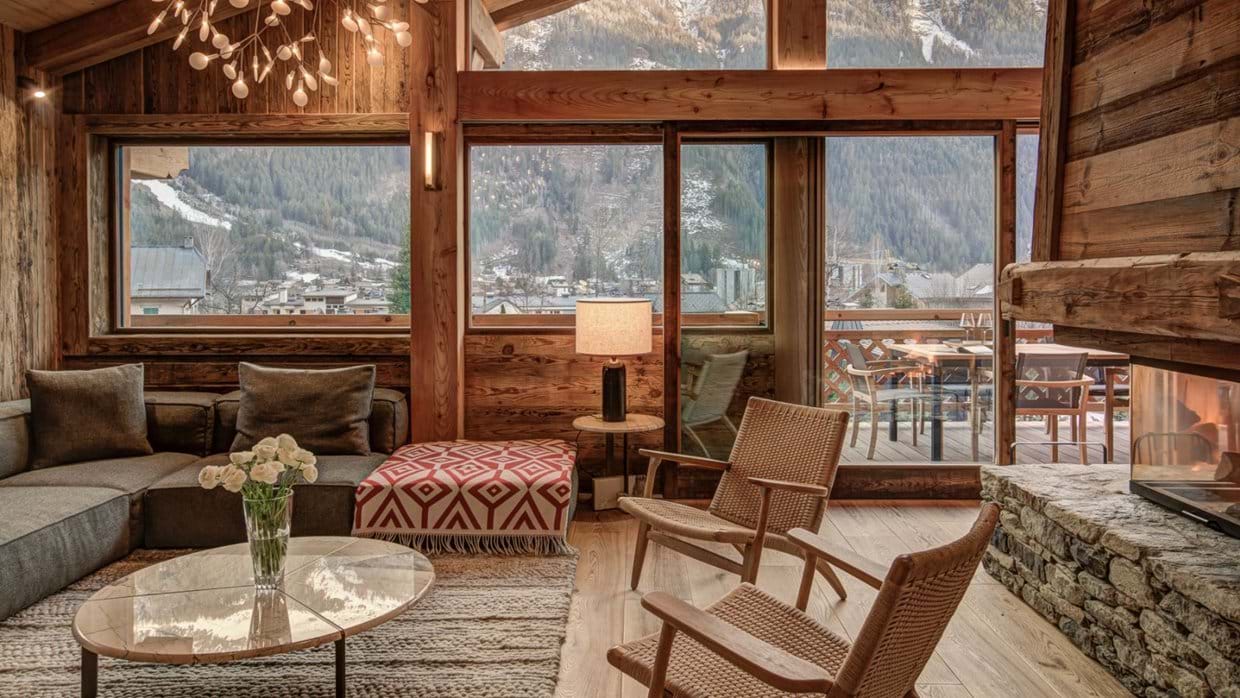
This mental model measures the exact visual impact of architectural window placements, factoring in valley expanse, sun path orientation, and complete freedom from visual light pollution.
2. The Service Autonomy versus Hotel Integration Spectrum
Luxury mountain travelers must balance the total isolation of a completely private wilderness chalet against the seamless service infrastructure of a managed luxury hotel brand.
3. The Multi-Generational Spatial Optimization Curve
High-end alpine properties often host large family gatherings. This framework analyzes how bedroom separation, communal great rooms, private spa wings, and acoustic insulation maintain comfort for diverse groups.
Key Categories and Variations
The landscape of premier alpine properties across the United States comprises several distinct structural and operational variations.
| Property Category | Primary Regional Focus | Architectural & Design Style | Strategic Operational Trade-off |
| Slopeside Branded Hotel Chalets | Vail, Beaver Creek, Aspen | Mountain-contemporary timber and stone, full five-star hotel integration | Impeccable service and amenities; high nightly rates and lack of total isolation |
| Independent Exclusive-Use Estates | Jackson Hole, Park City, Big Sky | Expansive timber log construction, custom stone fireplaces, private acreage | Absolute privacy and bespoke programming; requires independent staffing logistics |
| Glacial Wilderness Sanctuaries | Denali National Park, Alaska | Ultra-luxury contemporary glass and heavy timber perched on remote nunataks | Unmatched natural isolation and northern lights viewing; highly complex helicopter logistics |
| Luxury Mountain Ranch Compounds | Montana, Wyoming | Historic Western heritage cabins elevated with modern luxury interiors | Unmatched wilderness immersion and all-inclusive adventure; remote geographic transit |
| Managed Ski-In Residence Clubs | Deer Valley, Telluride | Sophisticated alpine apartments combining hotel services with home space | Excellent group flexibility; governed by strict homeowners association rules |
| Historic Valley Mountain Houses | Hudson Valley, New York | Restored Victorian castle and estate architecture featuring scenic lake vistas | Strong multi-season appeal; older mechanical infrastructure maintenance overhead |
Realistic Decision Logic
When property investors, high-net-worth travelers, and estate planners evaluate options to determine the most effective asset or travel model, selecting an appropriate property category requires aligning privacy expectations with visual and service requirements. For travelers prioritizing absolute wilderness immersion, helicopter-in accessibility, and uninterrupted glacier views, securing an ultra-exclusive sanctuary in Alaska provides unmatched visual drama. Conversely, for guests who prioritize effortless access to hotel-managed spas, children’s programs, and immediate room-service dining alongside slopeside skiing, a branded hotel chalet in Vail or Aspen offers superior operational convenience. Therefore, stakeholders must carefully weigh these structural trade-offs against individual travel preferences.
Detailed Real-World Scenarios
1. The Glacial Wilderness Retreat Experience in Alaska
A multi-generational family books an exclusive-use architectural chalet perched high on a remote nunatak in Denali National Park. Arriving via a breathtaking helicopter flight over sprawling glaciers, guests enjoy custom culinary menus prepared by a private chef while watching the northern lights pulse across the night sky.
2. The Slopeside Corporate Retreat in Beaver Creek
A corporate leadership team secures an integrated luxury chalet hotel in Beaver Creek with direct ski-in/ski-out access. The property coordinates morning ski guiding on pristine runs, afternoon boardroom sessions utilizing advanced audio-visual suites, and evening dining at award-winning on-site alpine restaurants.
3. The Historic Castle Resort Getaway in New York
Guests seeking a classic American mountain landscape check into a historic Victorian property overlooking a pristine glacial lake in the Hudson Valley. The estate coordinates miles of scenic hiking trails, farm-to-table dining experiences, and quiet reflection on wraparound porches overlooking dramatic valley sunsets.
4. The Winter Storm Isolation and Backup Infrastructure Activation
An independent luxury chalet nestled deep in a Wyoming valley experiences a sudden, severe blizzard that closes regional mountain passes for twenty-four hours. Because the property is equipped with heavy-duty backup generators, automated snow-melt driveway systems, and deep pantry reserves, guests remain completely secure and comfortable throughout the weather event.
Planning, Cost, and Resource Dynamics
The economic viability and financial budgeting of premier alpine properties depend heavily on balancing high seasonal maintenance outlays against fluctuating luxury rental yields.
-
Direct Capital Expenditures and Design Outlays: Sourcing durable, high-performance building materials capable of withstanding heavy snow loads, freeze-thaw cycles, and intense UV exposure requires specialized architectural budgeting.
-
Specialized Staffing and Helicopter Logistics: Contracting elite private chefs, professional butlers, and specialized transport teams for remote locations demands substantial ongoing budgetary allocation.
-
Opportunity Costs: Failing to optimize shoulder-season programming or underestimating winter weather utility overhead results in diminished net operating income for commercial assets or high unrecovered holding costs for private owners.
| Cost Dimension | Standard Urban Luxury Hotel | Branded Slopeside Hotel Chalet | Remote Glacial Wilderness Chalet |
| Nightly Tariff Structure | Standard room or suite rate | High premium nightly rate | Substantial exclusive-use buyout including private air transport |
| Staff-to-Guest Ratio | Standard hotel department metrics | Elevated hotel concierge ratios | Dedicated 1:1 or custom private staff allocation |
| Catering Flexibility | Fixed hotel restaurant hours | Multiple on-site fine dining venues | Fully customized private chef menus tailored on demand |
| Logistics & Privacy | Public lobbies and shared elevators | Controlled access resort wings | Absolute remote isolation and structural privacy |
Tools, Strategies, and Support Systems
Executing successful operations across elite mountain properties requires integrating specialized digital platforms and high-touch support infrastructure.
-
Cloud-Based Property Management Systems: Integrated software managing dynamic room pricing, direct bookings, and third-party channel distribution with real-time inventory synchronization.
-
Digital Concierge and Guest Communication Portals: Mobile-friendly platforms allowing guests pre-arrival to schedule helicopter transfers, spa appointments, and private chef menus seamlessly.
-
Smart Thermostat and Energy Management IoT Systems: Automated building controls optimizing heating and cooling across unoccupied guest rooms to curb utility waste in cold mountain climates.
-
Remote Asset and Snow-Load Monitoring Tools: Structural sensors and weather tracking equipment alerting management to heavy roof accumulation or freezing pipe risks.
-
Housekeeping and Maintenance Workflow Apps: Mobile task managers streamlining turnaround times between guest departures and arrivals across spread-out chalet cottages.
-
Aviation and Weather Tracking CRMs: Digital databases coordinating local charter flight operators, mountain outfitters, and emergency transport services.
Risk Landscape and Failure Modes
Operating and investing in elite mountain hospitality infrastructure introduces unique environmental and economic vulnerabilities. If unmitigated, these risks can compromise business solvency and guest safety.
-
Severe Weather Disruptions and Highway Closures: Winter blizzards or high winds closing primary mountain passes and grounding helicopter transport, leading to sudden travel delays.
-
Prolonged Snow Droughts and Climate Variability: Unseasonal lack of snowfall impacting winter ski tourism revenue in regions lacking diversified summer or wellness programming.
-
Escalating Rural Insurance Premiums and Wildfire Risk: Rising costs or complete withdrawal of property insurance coverage in wildfire-prone Western and Appalachian forested areas.
-
Acute Local Labor Shortages and Housing Crises: Inability to recruit or retain essential hospitality staff due to extreme local real estate costs and lack of workforce housing.
-
Mechanical Failures in High-Altitude Utility Systems: Sudden breakdown of private heating boilers, snowmelt systems, or backup generators during sub-zero winter temperatures.
Governance, Maintenance, and Long-Term Adaptation
Maintaining elite operational and physical standards across mountain property portfolios requires rigorous governance protocols and cyclical reviews.
-
Pre-Winter Infrastructure Audits: Comprehensive engineering inspections of heating boilers, backup generators, roof snow-load mitigation systems, and plumbing insulation before freezing temperatures arrive.
-
Quarterly Financial and Labor Reviews: Systematic analyses of labor cost percentages, energy utility consumption, and guest satisfaction metrics.
-
The Layered Mountain Property Maintenance Checklist:
-
Roof and Gutter Ice-Dam Prevention: Inspect heating cables, clean drainage channels, and verify attic insulation bi-annually.
-
Emergency Generator and Fuel Testing: Run weekly load tests on backup power systems to ensure resilience during grid failures caused by severe storms.
-
HVAC and Smart Thermostat Calibration: Audit energy consumption logs and service air filtration units across all guest rooms quarterly.
-
Staff Housing and Retention Review: Evaluate employee satisfaction, housing subsidy allocations, and transport logistics ahead of peak seasonal hiring windows.
-
Measurement, Tracking, and Evaluation
-
Leading Indicators: Direct booking conversion rates, pre-arrival concierge interaction volumes, and group inquiry metrics serve as early operational health signals.
-
Lagging Indicators: Net RevPAR (Revenue Per Available Room), gross operating profit margins, guest satisfaction net promoter scores, and repeat guest return rates measure overall success.
-
Documentation Standards: Maintaining an exhaustive digital archive tracking property engineering logs, vendor contracts, municipal compliance permits, and staff training records.
-
Benchmarking Analysis: Regularly comparing occupancy percentages, average daily rates, and service productivity metrics against competing regional mountain properties.
Common Misconceptions and Oversimplifications
-
“All properties marketed as scenic chalets feature uninterrupted panoramic views.” Many properties suffer from obstructed sightlines or dense surrounding forestry despite promotional photography suggesting vast vistas.
-
“Booking a private chalet automatically includes all food and beverage provisions.” While catered chalets include private chef services, many exclusive rentals operate on a self-catered or purely accommodation-only basis, requiring separate provisioning.
-
“American ski resorts lack the luxury hospitality depth found in the European Alps.” Destinations like Aspen, Vail, Deer Valley, and Big Sky feature world-class properties that match or exceed traditional European alpine standards.
-
“Mountain properties can rely exclusively on winter ski tourism to remain profitable.” Properties failing to develop robust summer, autumn foliage, and wellness programming face severe cash-flow depletion during extended shoulder months.
-
“Running a small chalet hotel requires significantly less administrative oversight than a large resort.” Small independent properties demand high multi-tasking competency, complex regulatory compliance, and hands-on operational management.
-
“Severe weather closures are rare enough to ignore in business continuity planning.” Mountain properties must maintain robust backup generators, emergency food supplies, and flexible rebooking policies to handle frequent weather isolation.
Ethical, Practical, and Contextual Considerations
Planning elite domestic mountain hospitality assets carries profound ethical responsibilities regarding environmental stewardship, preservation of local community character, and fair labor practices. Facility developers and operators must ensure that property growth respects local watershed ecosystems, wildlife migration corridors, and dark-sky conservation mandates. Furthermore, maintaining respectful integration with surrounding rural communities—including contributing to local workforce housing solutions and supporting regional agricultural producers—ensures long-term social license to operate. By upholding disciplined, sustainable, and respectful management standards, stakeholders ensure that American mountain hospitality remains environmentally sound, economically resilient, and deeply welcoming for all visitors.
Conclusion
The physical planning and operational execution of elite mountain properties within the United States represent a sophisticated synthesis of architectural design, regional storytelling, and rigorous financial management. When property owners and luxury travelers examine the market for the best scenic chalet hotels united states, a structured analytical approach moves operators past surface-level aesthetic trends to achieve true systemic mastery. Success in this specialized sector requires balancing seasonal occupancy compression, localized guest programming, and resilient infrastructure planning. Through patience, editorial rigor, and an unwavering commitment to operational excellence, stakeholders can protect their capital assets, optimize guest experiences, and guarantee long-term authority across America’s most breathtaking mountain destinations.