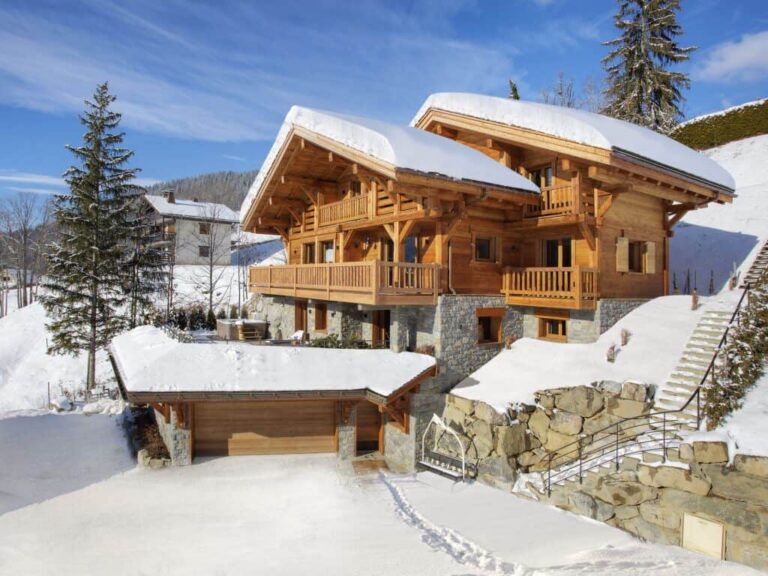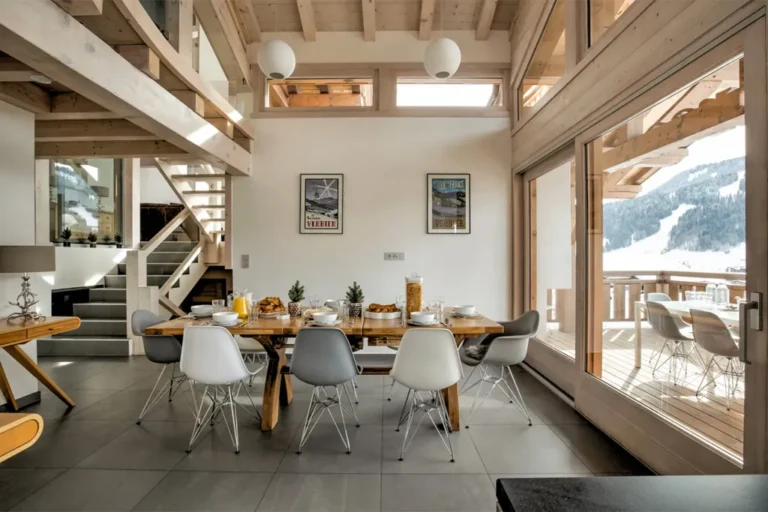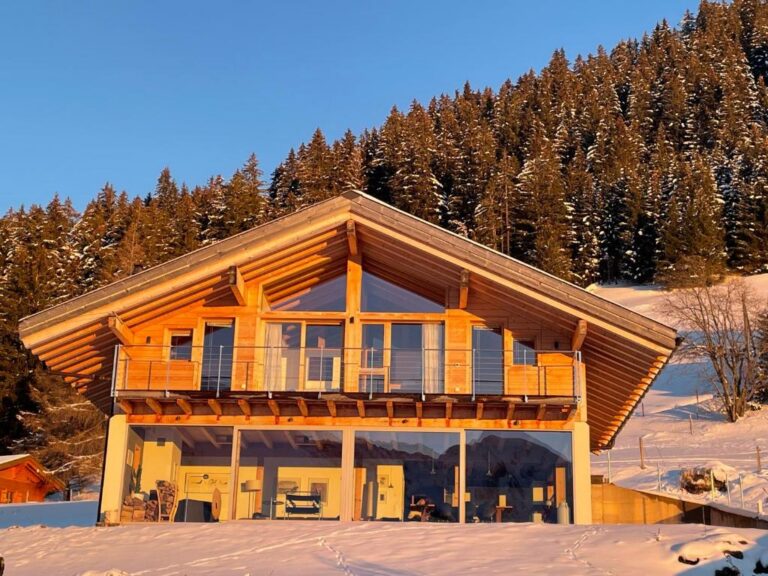
How to Manage Chalet Hotels Heating Issues: Ultimate Alpine Guide
Maintaining thermal stability, energy efficiency, and guest comfort within high-altitude hospitality properties requires an intricate understanding of alpine building physics and mechanical engineering. Across rugged mountain ranges, property managers and engineering directors constantly grapple with severe weather patterns, rapid temperature drops, and the unique structural characteristics of timber-and-stone architecture. Surface-level maintenance guides frequently fail to capture the profound structural realities governing modern climate control, thermal bridging, and multi-zone distribution loops in luxury mountain retreats.
Achieving long-term operational success necessitates managing delicate trade-offs among biomass boiler combustion rates, geothermal heat pump coefficients of performance, envelope insulation values, and variable guest occupancy patterns. Consequently, these operational choices tie indoor climate stability directly to meticulous physical and spatial planning. Analyzing specialized alpine properties sheds light on broader shifts shaping contemporary hospitality engineering. Accelerated demand for zero-carbon operations, rising energy cost volatility, and changing expectations surrounding silent, responsive indoor environments have fundamentally transformed how modern mountain estates handle winter conditioning.
Furthermore, properties that successfully integrate smart automation controllers, balanced air-handling loops, and redundant secondary heat sources serve as resilient commercial anchors within competitive resort markets. Consequently, mastering the characteristics of these elevated assets requires a detailed systemic framework. This inquiry explores the deep economic, architectural, and structural factors shaping contemporary alpine climate governance. Ultimately, achieving a comprehensive understanding of lodge heating mechanics demands structured oversight. By breaking down how properties handle peak load shifting, domestic hot water generation, antifreeze fluid degradation, and stringent building energy codes, operators navigate the complex landscape of mountain real estate effectively. Therefore, this guide serves as a definitive reference for understanding thermal maintenance mechanics across elite hospitality portfolios.
Understanding “how to manage chalet hotels heating issues”
Semantic Ambiguity and Structural Boundaries
Evaluating the classification, functional standards, and operational protocols involved when facility managers examine how to manage chalet hotels heating issues requires navigating profound semantic ambiguity. This ambiguity spans alpine real estate engineering, municipal energy compliance, and hospitality asset management. Property operators, mechanical contractors, and corporate hospitality directors frequently conflate residential heating troubleshooting with commercial multi-zone plant management, centralized district heating connections, and passive solar envelope gains. However, this broad generalization obscures massive variances in hydraulic balancing, fluid expansion rates at sub-zero elevations, and peak electrical load constraints.
For instance, a low-density mountain lodge utilizing decentralized air-to-air heat pumps faces distinct operational constraints compared to a massive multi-story timber chalet network running centralized water-to-water geothermal loops. While air-source units offer rapid response times for individual guest suites, their heating capacities decline sharply as ambient outdoor temperatures plunge past minus fifteen degrees Celsius. Conversely, geothermal or district biomass networks provide immense baseline stability but introduce single-point-of-failure risks that can compromise an entire resort wing if primary circulating pumps stall. Therefore, facility directors must inspect micro-level hydraulic schematics, pipe insulation integrity, and expansion tank pre-charges closely.
Analytical Rigor versus Surface Impressions
True expertise in resolving thermal failures within alpine lodges requires balancing quantitative energy modeling with qualitative occupant comfort metrics. Unlike standard urban hotels where climate control is largely uniform and sheltered from extreme exterior wind pressures, mountain properties must contend with stack effect airflow, convective heat loss through vaulted timber ceilings, and massive solar radiation swings across expansive triple-pane glazing. When engineers evaluate heating anomalies, they look past superficial thermostat complaints. Instead, they assess delta-T temperature drops across heat exchangers, glycol concentration ratios, differential pressure bypass valve settings, and building envelope thermal bridging. Ultimately, failing to master these technical realities leads directly to frozen pipe bursts, dissatisfied high-paying guests, and catastrophic energy expenditure spikes.
Deep Contextual Background
The historical evolution of mountain lodging thermal management traces back to early alpine stone hearths, open wood-burning fireplaces, and rudimentary gravity-fed cast-iron radiator systems. During this foundational era, properties prioritized localized combustion zones and thick masonry mass walls to trap and slowly radiate solar and fire heat over multi-hour cycles. These early facilities relied heavily on manual fuel loading and natural convective air currents, establishing the structural baseline that influenced mountain architecture for generations.
Following the mid-twentieth-century expansion of international ski tourism and the commercial development of high-altitude valleys, chalet heating underwent a radical technical transformation. Independent lodges evolved into complex multi-building estates featuring automated oil boilers, forced-air duct networks, and early electric resistance baseboards. Furthermore, this commercial maturation introduced sophisticated indoor engineering, including closed-loop hydronic underfloor heating, weather-compensated mixing valves, and automated zone actuators. In recent decades, the shift toward strict carbon-neutral building mandates, renewable energy integration, and rising guest expectations for silent comfort has accelerated the demand for deeply specialized thermal engineering. Today, contemporary chalet architecture is driven by inverter-driven heat pumps, smart IoT building management systems, and high-performance insulated building envelopes. Ultimately, these upgrades turn basic winter shelters into highly sophisticated, climate-resilient hospitality nodes.
Conceptual Frameworks and Mental Models
Successfully evaluating and managing complex chalet heating operations requires deploying rigorous analytical models. These models balance thermal output against building envelope retention efficiency.
1. The Stack Effect and Air Infiltration Gradient
This mental model measures how warm indoor air rises and escapes through upper-level roof junctions and balconies, drawing freezing exterior air into ground-floor entryways and creating severe vertical temperature stratification.
2. The Hydraulic Balancing versus Pump Head Pressure Matrix
Thermal distribution across multi-story chalets relies on precise water flow rates. This framework analyzes how pipe friction, valve resistance, and variable speed circulator pumps interact to prevent thermal starvation in remote guest suites.
3. The Thermal Mass Lag and Peak Load Shifting Model
Heavy timber and exposed stone structures absorb solar energy and mechanical heat during off-peak hours and slowly release it overnight. Consequently, this mental model calculates how operators optimize energy consumption schedules against dynamic utility pricing.
Key Categories and Variations
The landscape of climate control architectures across the global alpine hospitality sector comprises several distinct mechanical and operational variations.
| Heating System Category | Primary Energy Source | Operational Mechanism | Strategic Trade-off |
| Centralized Biomass Pellet Boilers | Compressed wood biomass | Automated auger feed and hydronic distribution | Highly sustainable and high output; requires substantial fuel storage and ash management |
| Ground-Source Geothermal Loops | Subsurface thermal capacitance | Water-to-water heat pump with vertical boreholes | Exceptional efficiency and stable COP; massive upfront capital expenditure |
| Air-to-Water Inverter Heat Pumps | Ambient outdoor air | Split-system hydronic heating and domestic hot water | Flexible installation and zero direct emissions; efficiency drops in extreme sub-zero weather |
| Decentralized Multi-Split Air Units | Electricity (Renewable grid) | Direct refrigerant expansion (DX) heating and cooling | Rapid room-by-room control; visual impact of indoor wall units |
| Traditional Masonry Stoves & Fireplaces | Cordwood or gas inserts | Radiant thermal mass and localized convection | Unmatched alpine aesthetic and ambiance; highly inefficient primary heat source |
| Electric Underfloor Resistance Mats | Grid electricity | Direct resistive wire cabling beneath stone/tile | Instantaneous warm floor surfaces; extremely high operational electricity costs |
Realistic Decision Logic
When property investors, master architects, and facility directors evaluate options to determine the most effective strategy for climate management, selecting an appropriate heating category requires aligning structural building age with local energy infrastructure availability. For newly constructed luxury chalets situated in protected ecological zones, integrating ground-source geothermal systems with radiant floor slabs provides unmatched long-term efficiency and silent operation. Conversely, for historic timber chalet renovations where subterranean drilling is legally prohibited or physically impossible, hybrid systems combining high-efficiency pellet boilers with intelligent air-source heat pumps offer the necessary redundancy. Therefore, stakeholders must carefully weigh these structural trade-offs against local climate severity, grid reliability, and capital budgets.
Detailed Real-World Scenarios
1. The Sub-Zero Midnight Heat Pump Capacity Collapse
During a severe mid-winter blizzard where ambient temperatures plunge to minus twenty-two degrees Celsius, a chalet relying entirely on standard air-source heat pumps experiences a sharp drop in coefficient of performance. Consequently, indoor temperatures in upper-floor suites begin to slide downward. The engineering team must instantly activate backup electric immersion heaters to stabilize the hydronic loop, preventing guest complaints and potential pipe freezing.
2. The Upper-Floor Overheating and Stack Effect Crisis
In a multi-level timber chalet featuring vaulted ceilings and large south-facing triple-pane glass facades, solar gain combines with the natural stack effect to overheat top-floor guest rooms while ground-floor hallways remain chilly. The maintenance manager re-balances the underfloor heating manifold actuators, adjusts automated motorized clerestory windows, and recalibrates weather-compensation curves to normalize vertical temperature distribution.
3. The Glycol Degradation and Circulation Pump Cavitation
Over several years of operation in an isolated mountain lodge, the water-glycol mixture in the outdoor hydronic distribution lines degrades, dropping in pH and losing freeze-protection integrity. During a sudden overnight freeze, a secondary loop freezes partially, causing a pressure drop that stalls the circulating pump and trips the boiler safety lockout. The technical crew must flush the system, restore correct propylene glycol concentrations, and bleed air from high-point automatic vents.
4. The Peak Occupancy Domestic Hot Water Exhaustion
A luxury chalet operating at one hundred percent occupancy sees simultaneous demand for multiple multi-person spa tubs, rain showers, and kitchen dishwashing cycles during the post-ski evening hours. The domestic hot water storage tanks rapidly exhaust their thermal reserves. The facility team must re-program the building management system to prioritize domestic hot water recharge over space heating for a brief forty-minute window without noticeably chilling the guest rooms.
Planning, Cost, and Resource Dynamics
The economic viability and operational budgeting of elite alpine climate management depend on balancing heavy upfront equipment capital expenditures against volatile seasonal energy tariffs.
-
Direct Fuel and Utility Outlays: Sourcing certified wood pellets, managing bulk liquid propane deliveries, or consuming high-tariff winter electricity requires meticulous financial forecasting and storage inventory management.
-
Preventative Maintenance and Specialized Servicing: Contracting certified HVAC technicians specialized in high-pressure hydronic systems, combustion gas analysis, and refrigeration circuit diagnostics demands dedicated annual budgetary allocations.
-
Opportunity Costs: Failing to maintain optimal thermal comfort resulting in negative guest reviews, mandatory room rate compensation, or emergency repair call-out premiums during peak holiday weeks causes severe financial underperformance.
| Cost Dimension | Standard Suburban Commercial Hotel | Off-Site Resort Chalet Complex | Premium Alpine Integrated Chalet Estate |
| Initial Capital Expenditure | Moderate (standard rooftop units) | High (extended distribution piping) | Extreme (geothermal drilling and biomass plants) |
| Energy Commodity Volatility | Moderate (standard grid electricity) | High (propane/diesel delivery reliance) | Low to Moderate (diversified renewable sources) |
| Specialized Technical Labor | Readily available local contractors | Limited local technician availability | Extreme dependency on specialized alpine engineers |
| Regulatory & Environmental Compliance | Standard municipal building codes | Regional environmental permits | Strict Alpine conservation and emissions laws |
Tools, Strategies, and Support Systems
Executing successful climate management and heating issue resolution across complex mountain properties requires integrating specialized digital platforms and diagnostic hardware.
-
Cloud-Based Building Management Systems (BMS): Centralized software platforms monitoring real-time zone temperatures, boiler firing rates, and pump statuses across detached chalet buildings.
-
Digital Infrared Thermal Imaging Cameras: Handheld diagnostic tools used by maintenance staff to detect hidden insulation gaps, thermal bridging, and pipe blockages behind timber walls.
-
Ultrasonic Flow Meters: Precision instruments measuring hydronic fluid velocity and volumetric flow rates to instantly identify hydraulic balancing imbalances.
-
Automated Weather-Compensation Controllers: Microprocessors that adjust heating supply water temperatures dynamically based on outdoor ambient sensors and wind chill factors.
-
Combustion Gas Analyzers: Calibration tools ensuring high-efficiency biomass and gas boilers operate at peak stoichiometric ratios without harmful carbon monoxide production.
-
IoT Smart Thermostat Enclosures: Tamper-resistant guest interface panels that maintain comfort parameters within strict energy-efficient boundaries.
Risk Landscape and Failure Modes
Operating and investing in high-altitude chalet hospitality infrastructure introduces unique environmental and mechanical vulnerabilities. If unmitigated, these risks can compromise structural integrity and business continuity.
-
Catastrophic Pipe Freezing During Power Outages: Loss of grid power combined with depleted backup generator fuel can cause internal hydronic and domestic water lines to freeze and rupture within hours in sub-zero alpine environments.
-
Carbon Monoxide Accumulation from Biomass Flue Failures: Blocked chimney flues or improper draft combustion in wood pellet systems can leak lethal combustion gases into guest sleeping quarters.
-
Hydronic Expansion Tank Failure and System Overpressure: Waterlogging of thermal expansion tanks leads to violent pressure spikes, blowing pressure relief valves and flooding mechanical rooms.
-
Severe Thermal Shock Cracking in Masonry Flues: Rapid firing of large stone fireplaces during sub-zero cold snaps can cause structural cracking in aging stone chimneys and wood-burning flues.
-
Supply Chain Delays for Specialized European Spare Parts: Sourcing proprietary circulating pumps, electronic actuators, or custom boiler controllers from overseas manufacturers during peak winter storms can prolong system downtime.
Governance, Maintenance, and Long-Term Adaptation
Maintaining elite operational and regulatory standards across alpine chalet heating portfolios requires rigorous governance protocols and cyclical multi-seasonal reviews.
-
Pre-Winter Mechanical Overhauls: Comprehensive pre-season inspections covering boiler combustion efficiency, glycol freeze-point testing, safety valve testing, and thermostat calibration.
-
Monthly Hydraulic Balancing Audits: Systematic verification of differential pressures and flow rates across all building wings to prevent thermal starvation.
-
The Layered Chalet Heating Operational Checklist:
-
Glycol and Fluid Integrity Verification: Test concentration and pH levels of hydronic loop antifreeze fluids annually before freezing temperatures arrive.
-
Boiler Combustion and Flue Safety Inspection: Clean ash chambers, inspect burner nozzles, and test carbon monoxide detectors across all combustion zones monthly.
-
Expansion Tank and Pressure Check: Verify pre-charge pressures and bladder integrity in all closed-loop expansion vessels bi-annually.
-
Emergency Generator and Backup Power Test: Execute full-load transfer testing on emergency backup generators to guarantee pump and boiler operation during grid failures.
-
Measurement, Tracking, and Evaluation
-
Leading Indicators: Boiler cycling frequency, pump differential pressure trends, and weather-compensation curve response accuracy serve as early operational health signals.
-
Lagging Indicators: Total kilowatt-hours or fuel volume consumed per occupied room night, guest thermal comfort satisfaction scores, and emergency repair ticket counts measure overall success.
-
Documentation Standards: Maintaining an exhaustive digital logbook tracking maintenance work orders, fluid test results, regulatory emissions compliance certificates, and seasonal energy consumption metrics.
-
Benchmarking Analysis: Regularly comparing energy efficiency ratios, heating cost per square meter, and system uptime percentages against competing regional alpine resorts.
Common Misconceptions and Oversimplifications
-
“Crank the thermostat to maximum to heat a cold chalet faster.” Modern radiant and hydronic systems operate on steady modulation; rapid over-heating does not accelerate room warm-up and wastes significant energy.
-
“Wood-burning fireplaces are sufficient as primary heating sources for luxury chalets.” Open fireplaces draw warm conditioned air out of the building through the chimney, frequently causing net heat loss rather than gain.
-
“Air-source heat pumps cannot function in freezing mountain winters.” Modern inverter-driven cold-climate heat pumps maintain high coefficients of performance even when outdoor temperatures drop well below freezing.
-
“Insulation alone eliminates the need for active thermal zoning.” Without intelligent multi-zone controls, solar gain and occupancy shifts will cause severe temperature imbalances regardless of insulation thickness.
-
“Antifreeze fluids in hydronic loops last indefinitely without testing.” Glycol mixtures degrade over time due to thermal stress and oxidation, losing their corrosion inhibition and freeze-protection properties.
-
“Smart thermostats completely eliminate the need for manual hydraulic balancing.” Electronic actuators cannot compensate for fundamentally flawed pipe sizing or unbalanced flow rates across distribution manifolds.
Ethical, Practical, and Contextual Considerations
Operating and planning elite alpine hospitality assets carries profound ethical responsibilities regarding environmental stewardship, carbon footprint reduction, guest safety, and regional resource conservation. Facility directors must ensure that chalet heating operations minimize fossil fuel dependency and protect fragile mountain ecosystems from excessive energy consumption. Furthermore, integrating fail-safe emergency heating protocols ensures that vulnerable guests, families, and elderly visitors remain completely protected against extreme hypothermic risks during severe alpine weather emergencies. By upholding transparent, compassionate, and rigorously compliant engineering standards, stakeholders ensure that mountain hospitality remains safe, sustainable, and deeply comfortable for all visitors.
Conclusion
The physical planning and operational execution of elite chalet heating systems represent a sophisticated synthesis of thermodynamics, building architecture, and hospitality service. When property managers and engineering directors evaluate strategies to execute how to manage chalet hotels heating issues, a structured analytical approach moves operators past surface-level thermostat adjustments to achieve true systemic mastery. Success in this specialized sector requires balancing renewable energy integration, hydraulic balance, and rigorous preventative maintenance. Through patience, editorial rigor, and an unwavering commitment to operational excellence, stakeholders can protect their capital investments, optimize energy expenditure, and guarantee absolute thermal comfort across the world’s most demanding mountain environments.