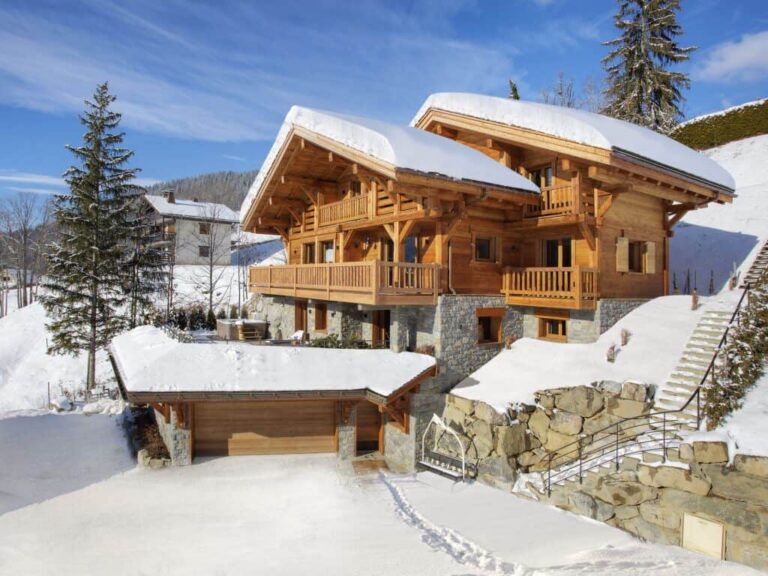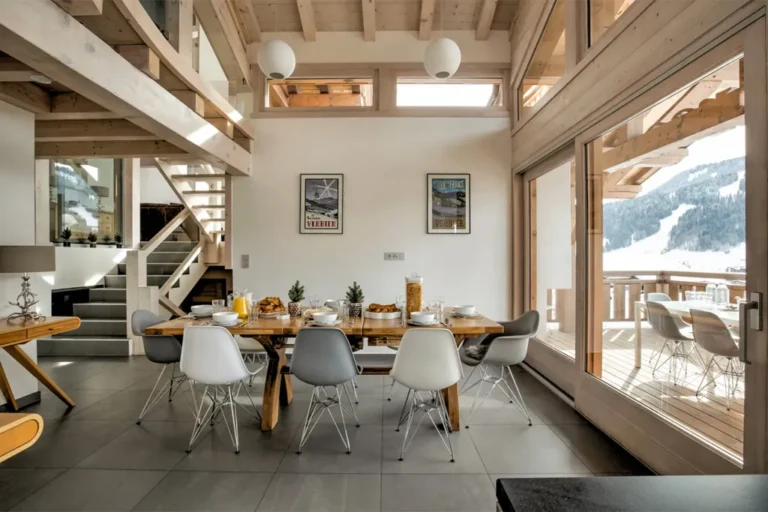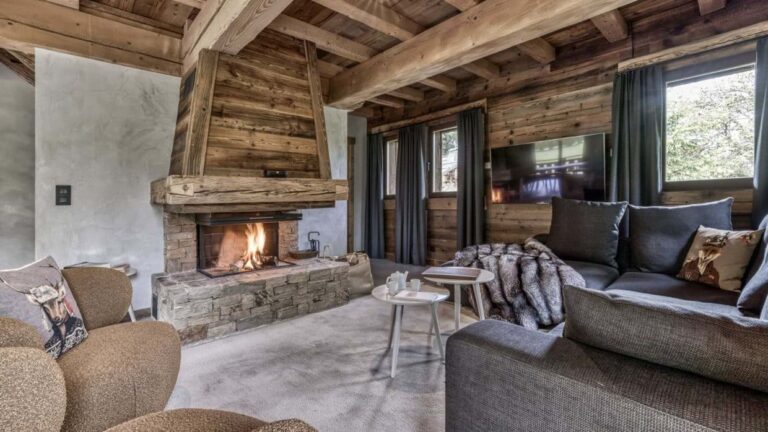
How to Avoid Chalet Hotels Wildlife Risks: Ultimate Alpine Guide
Navigating the intersection of luxury alpine hospitality and natural mountain habitats requires a sophisticated understanding of local wildlife behavior, property perimeter security, and waste management engineering. However, surface-level travel marketing frequently overlooks the ecological realities that bring native fauna—such as bears, wolves, red deer, and wild boars—into close proximity with secluded mountain estates. Furthermore, property operators continually refine their environmental protocols to prevent dangerous human-wildlife conflicts without disrupting fragile alpine ecosystems. As a result, guest safety and environmental preservation depend heavily on structural perimeter design and rigorous food waste containment.
Additionally, achieving long-term success in mountain property management requires balancing delicate trade-offs between rustic woodland immersion and absolute structural security. For instance, properties must manage open-air outdoor dining terraces alongside secure, wildlife-proof waste architecture. Consequently, these operational choices tie property reputation directly to proactive environmental risk management. Moreover, analyzing specialized wildlife mitigation workflows sheds light on broader shifts in sustainable resort operations. Therefore, this guide details how to avoid chalet hotels wildlife risks across elite international mountain portfolios.
Understanding How to Avoid Chalet Hotels Wildlife Risks

Semantic Ambiguity and Structural Boundaries
Evaluating how to avoid chalet hotels wildlife risks involves navigating complex terminology across wildlife biology, civil architecture, and hospitality risk management. Property managers and estate owners frequently conflate standard pest control measures with comprehensive wildlife exclusion systems that govern commercial-grade bear-proof waste containers, electric perimeter fencing, and intelligent motion-activated deterrent lighting. However, this general assumption obscures massive structural variances in animal behavior and regional geography, such as seasonal foraging migrations and nocturnal predatory ranges.
For instance, a resort chalet in the Swiss Alps faces distinct risks from red deer and roaming chamois during early spring calving seasons. Conversely, a luxury timber lodge in the Rocky Mountains must engineer its perimeters specifically to deter black bears and grizzly foraging. Therefore, hospitality operators and estate managers must inspect micro-level perimeter vulnerabilities, waste disposal protocols, and local wildlife advisory feeds closely.
Analytical Rigor versus Surface Impressions
True expertise in managing mountain wildlife interactions requires balancing quantitative perimeter security metrics against qualitative ecological awareness. Unlike urban hotels that face minimal vertebrate wildlife pressures, remote alpine properties exist directly within native animal migration corridors. When experienced operators evaluate wildlife risk mitigation, they look past superficial deterrents like wind chimes or decorative outdoor lighting. Instead, they assess commercial waste container lock integrity, perimeter fence voltage stability, and staff training regarding animal encounter protocols. Ultimately, failing to master these operational realities leads directly to property damage, dangerous guest encounters, and severe regulatory fines.
Deep Contextual Background
The historical evolution of mountain wildlife management traces back to early alpine forestry traditions, shepherd fencing practices, and rudimentary trapping methods in the European Alps and North American ranges. During this foundational era, properties prioritized basic physical barriers and firearms for predator control, establishing the baseline for modern mountain settlement security.
Following the post-World War II expansion of destination ski resorts and wilderness tourism, mountain lodging underwent a structural shift toward environmental coexistence and protected park management. Independent operators began adopting wildlife-resistant waste systems and adhering to strict regional conservation guidelines. In recent decades, the shift toward luxury experiential travel and eco-conscious remote living has accelerated the demand for sophisticated, non-lethal wildlife mitigation engineering. Today, contemporary alpine properties rely on smart perimeter sensors, secure subterranean waste vaults, and bio-acoustic deterrent systems to oversee high-value estates safely.
Conceptual Frameworks and Mental Models
Successfully evaluating and executing wildlife risk mitigation for mountain properties requires deploying rigorous analytical models. These models balance structural security against natural ecological preservation.
1. The Attractant-to-Exclusion Gradient
This mental model measures the exact ratio of potential food and waste attractants to physical perimeter barriers, ensuring that properties do not inadvertently draw wildlife toward human living spaces.
2. The Seasonal Migration Vulnerability Index
Luxury operators must evaluate how seasonal shifts in animal food sources—such as autumn acorn drops or spring berry foraging—directly impact property intrusion risks.
3. The Non-Lethal Deterrence Hierarchy
This model analyzes how properties escalate wildlife discouragement from passive visual deterrents to active acoustic and electrical barriers without harming native fauna.
Key Categories and Variations
The landscape of premier mountain properties comprises several distinct structural and operational variations regarding wildlife management.
| Wildlife Risk Category | Primary Regional Focus | Typical Infrastructure Features | Strategic Trade-off |
| High-Density Bear Country Estates | Aspen, Whistler, Jackson Hole | Bear-proof steel waste vaults, heavy-duty door locks | Maximum animal deterrence; high initial infrastructure capital cost |
| Alpine Ungulate Grazing Slopes | Zermatt, St. Moritz, Verbier | Low-voltage perimeter fencing, natural stone retaining walls | Protects landscaping from deer and chamois; requires constant maintenance |
| Deep Wilderness Backcountry Lodges | Chamonix, Niseko, Telluride | Elevated timber walkways, secure mudroom airlocks | Absolute wilderness immersion; complex guest movement logistics |
| Forest Edge Boutique Chalets | Megève, Courchevel, Big Sky | Motion-activated floodlighting, commercial ultrasonic deterrents | Discourages nocturnal predators; potential aesthetic trade-offs |
| River Valley Estate Compounds | Park City, Aspen, Sun Valley | Enclosed outdoor dining verandas, secure composting systems | Prevents scavenging bird and rodent intrusions; strict protocol adherence |
| High-Altitude Glacier Refuges | Zermatt, Mont Blanc | Sealed food storage lockers, steel-mesh window shutters | Extreme weather and scavenger resistance; minimalist living space |
Realistic Decision Logic
Selecting an appropriate operational strategy to avoid wildlife risks requires aligning property geography with regional fauna densities. For properties situated directly within active black bear or grizzly foraging corridors, installing heavy-duty commercial steel waste vaults and reinforced door latches is mandatory to prevent nocturnal break-ins. Conversely, for alpine chalets plagued by grazing ungulates like deer or elk, deploying subtle, low-voltage perimeter fencing protects ornamental landscaping and guest pathways without disrupting the natural mountain aesthetic.
Detailed Real-World Scenarios
1. The Bear-Proof Waste Containment Protocol in Aspen
A luxury chalet estate operating on the forested edge of Aspen installs automated hydraulic steel waste vaults. When guests or staff deposit kitchen refuse, the heavy-duty locking mechanism seals instantly, successfully preventing black bears from accessing food scraps during autumn hyperphagia.
2. The Ungulate Landscaping Defense in Verbier
An upscale chalet featuring extensive private alpine gardens notices red deer repeatedly damaging ornamental shrubs. The estate management team installs discreet underground electric boundary wires and selects unpalatable local flora, preserving the visual landscape without harming the animals.
3. The Backcountry Mudroom Airlock Security in Niseko
A remote mountain lodge experiences intrusions by small forest rodents and foxes seeking warmth during heavy winter snowfalls. The property constructs a double-door mudroom airlock system combined with sealed food storage bins, completely eliminating indoor animal nesting.
4. The Seasonal Migration Audit in Jackson Hole
As autumn elk migrations intersect with a luxury resort property, the management team activates high-frequency motion-activated strobe lights and acoustic deterrents along perimeter access paths, safely redirecting migrating herds around guest accommodation zones.
Planning, Cost, and Resource Dynamics
The economic viability and financial budgeting of premier mountain wildlife risk management depend heavily on balancing upfront infrastructure capital against potential liability losses.
-
Direct Infrastructure and Hardware Outlays: Sourcing commercial-grade steel waste containers, electric fencing systems, and reinforced door hardware requires specialized capital budgeting.
-
Specialized Staff Training and Audit Costs: Employing environmental consultants and training hospitality staff in proper waste handling protocols demands continuous operational allocation.
-
Opportunity Costs: Failing to implement rigorous wildlife safeguards can result in catastrophic property damage, negative public media exposure, and severe regulatory fines from local conservation authorities.
| Cost Dimension | Basic Residential Setup | Commercial Luxury Chalet | Comprehensive Eco-Estate |
| Waste Management | Standard plastic outdoor trash bins with lids | Heavy-duty latching bins stored inside secure sheds | Underground hydraulic steel waste vaults with automated locks |
| Perimeter Security | Standard wooden post-and-rail fencing | Reinforced timber fencing with deep foundational posts | Integrated low-voltage electric wire and motion sensor grids |
| Deterrence Technology | Manual outdoor lighting switches | Motion-activated security floodlights and cameras | Automated ultrasonic repellers and bio-acoustic deterrents |
| Staff Protocol Training | Informal verbal instructions for waste disposal | Documented standard operating procedures and audits | Professional wildlife biologist consultations and certifications |
Tools, Strategies, and Support Systems
Executing effective wildlife risk mitigation across elite mountain properties requires integrating specialized physical hardware and digital monitoring platforms.
-
Hydraulic Steel Waste Vaults: Commercial-grade containment units engineered to withstand heavy animal tampering and prevent odor leakage.
-
Motion-Activated Trail and Security Cameras: Remote digital lenses monitoring perimeter boundaries for nocturnal wildlife activity and intrusion attempts.
-
Low-Voltage Perimeter Electric Fencing: Human-safe electrical barrier systems discouraging large mammals from crossing sensitive property lines.
-
Ultrasonic and Bio-Acoustic Repellers: Sound-emitting devices utilizing frequencies uncomfortable to specific nuisance species without disturbing human guests.
-
Odor-Neutralizing Industrial Cleaners: Specialized enzymatic washing agents eliminating food residue aromas from outdoor dining terraces and barbecue grills.
-
Local Wildlife Agency Alert APIs: Real-time data feeds and warning systems tracking regional predator sightings and migration patterns.
Risk Landscape and Failure Modes
Implementing wildlife mitigation strategies introduces unique operational and structural vulnerabilities that require rigorous risk management.
-
Inadequate Waste Bin Latching: Staff or guests failing to secure heavy-duty trash container locks, immediately attracting bears, raccoons, and scavenging birds.
-
Outdoor Food and Beverage Residue Leftovers: Leaving uncleaned barbecue grills or outdoor dining tables laden with food scraps overnight, luring predators onto guest patios.
-
Perimeter Fence Power Failures: Winter snow loads or ice accumulation grounding electric fences, creating silent gaps in property boundary security.
-
Improper Composting Management: Utilizing open-air compost heaps containing organic kitchen waste near guest sleeping quarters, drawing rodents and carnivores.
-
Aggressive Human-Wildlife Close Encounters: Guests attempting to feed or photograph wild animals at close range, resulting in defensive attacks and severe liability claims.
Governance, Maintenance, and Long-Term Adaptation
Maintaining elite standards across wildlife risk management workflows requires rigorous internal auditing and continuous protocol refinement.
-
Pre-Season Perimeter and Waste Audits: Comprehensive inspections of all waste container latches, fence voltages, and door seals thirty days prior to high-season guest arrivals.
-
Daily Evening Property Sweeps: Mandatory staff inspections verifying that all outdoor terraces, barbecue areas, and trash enclosures are completely cleared of food attractants.
-
The Layered Wildlife Risk Management Checklist:
-
Waste Vault Inspection: Check hydraulic seals and locking mechanisms on all commercial waste containers daily at 18:00.
-
Terrace Cleanliness Audit: Ensure all outdoor dining surfaces, cushions, and grills are scrubbed with odor-neutralizing cleaners each evening.
-
Perimeter Voltage Test: Verify electrical current stability and clear snow buildup along all low-voltage boundary fences weekly.
-
Staff Briefing Protocol: Review wildlife encounter emergency procedures with all new hospitality personnel during orientation.
-
Measurement, Tracking, and Evaluation
-
Leading Indicators: Waste container latch inspection completion rates, staff wildlife protocol training logs, and perimeter fence voltage reports serve as early operational health signals.
-
Lagging Indicators: Number of wildlife intrusion incidents, property damage repair costs, and guest wildlife complaint metrics measure overall success.
-
Documentation Standards: Maintaining an exhaustive digital archive tracking wildlife camera footage, maintenance service logs, and local conservation agency notices.
-
Benchmarking Analysis: Regularly comparing waste security infrastructure, perimeter defense investments, and incident rates against competing luxury alpine properties.
Common Misconceptions and Oversimplifications
-
“Mountain chalets located near ski resorts are entirely free of dangerous wildlife risks.” Alpine resort expansions overlap directly with native animal habitats, making wildlife encounters a persistent reality.
-
“Standard household plastic trash bins are sufficient for containing kitchen waste in alpine regions.” Bears and scavenging mammals easily shred standard plastic bins, requiring heavy-duty steel vaults.
-
“Feeding small mountain wildlife like chipmunks or birds is harmless and enhances the guest experience.” Feeding wildlife habituates animals to human spaces, increasing the likelihood of aggressive predation and property damage.
-
“Wildlife mitigation requires lethal control methods rather than engineering solutions.” Modern luxury estate management relies on non-lethal exclusion engineering, secure waste vaults, and fencing.
-
“Outdoor dining tables do not require special cleaning if food scraps appear minor.” Residual food grease and aromas on outdoor grills and tables act as powerful olfactory attractants for nocturnal predators.
-
“Perimeter fencing operates maintenance-free once installed around a mountain chalet.” Heavy winter snow loads, falling tree branches, and ground shifting require continuous inspection and upkeep of boundary defenses.
Ethical, Practical, and Contextual Considerations
Managing elite alpine properties carries profound ethical responsibilities regarding environmental conservation and the preservation of native animal migration routes. Property operators must ensure that perimeter defenses and waste management protocols protect both human guests and local wildlife without causing unnecessary harm or displacing sensitive species. Furthermore, maintaining respectful compliance with regional wildlife protection laws ensures that luxury tourism coexists harmoniously with the pristine mountain ecosystems surrounding them.
Conclusion
The planning and execution of elite mountain property security represent a sophisticated synthesis of architectural engineering, waste management logistics, and ecological stewardship. When property managers master how to avoid chalet hotels wildlife risks, structured operational protocols move operators past surface-level precautions to achieve true coexistence mastery. Success in this specialized sector requires balancing heavy-duty waste containment, proactive perimeter defense, and rigorous staff training. Through patience and editorial rigor, stakeholders can protect their guests, preserve valuable assets, and guarantee exceptional, secure mountain experiences across the world’s most breathtaking summits.