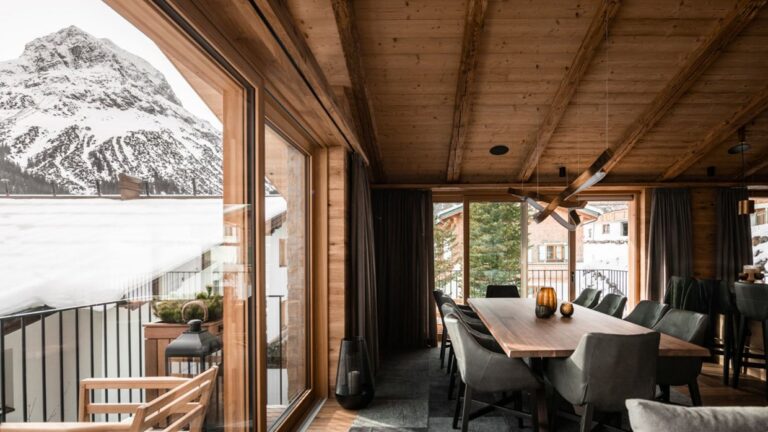
Chalet Hotels Booking Plans: Alpine Reservation Guide
The coordination of high-altitude hospitality reservations represents a complex intersection of seasonal constraints, capital allocation, and spatial logistics. Across major mountain ranges, securing premier alpine accommodations requires navigating far more than standard hospitality booking procedures. When luxury travelers, corporate retreat coordinators, and resort asset managers evaluate various lodging options, surface-level reservation platforms often obscure profound operational realities. Securing prime inventory during peak winter demand involves complex contractual commitments, multi-tiered deposit structures, and strict cancellation policies designed to mitigate the inherent volatility of seasonal tourism economies.
Furthermore, analyzing these reservation frameworks sheds light on the broader economic dynamics governing modern mountain destinations. Changing climate patterns, shifting municipal tourism caps, and the rising demand for exclusive-use properties have transformed how alpine inventory is distributed. Properties that successfully balance long-term contractual commitments with operational flexibility serve as stable anchors within the regional tourism market. Consequently, examining these booking structures requires a rigorous approach that moves beyond basic transactional summaries to explore the deep systemic factors shaping high-end mountain hospitality.
Ultimately, mastering the intricacies of alpine reservations demands a comprehensive analytical framework. By breaking down how different properties manage occupancy cycles, cancellation risks, guest servicing contracts, and seasonal tariffs, stakeholders can better navigate the competitive landscape of mountain real estate. This inquiry establishes a definitive reference for understanding the contractual and operational mechanics that govern elite alpine lodging.
Understanding “Chalet Hotels Booking Plans”
Semantic Ambiguity and Contractual Boundaries
Evaluating the agreements and reservation frameworks frequently categorized under the chalet hotels booking plans umbrella requires navigating profound semantic ambiguity across real estate sectors, hospitality management, and travel law. Market observers, resort operators, and luxury guests frequently conflate standard seasonal hotel block contracts, exclusive-use whole-chalet rental agreements, fractional ownership usage weeks, and corporate incentive program allotments. This broad generalization obscures massive variances in financial liability, cancellation penalties, catering inclusion clauses, and staffing guarantees. For instance, a contract classified as a standard reservation might enforce strict non-refundable milestone payments months in advance. Conversely, another agreement incorporates flexible re-scheduling clauses tied to local snowpack conditions. Therefore, analysts must inspect micro-level contractual specifications, such as force majeure definitions, currency fluctuation hedges, and sub-contracted service liabilities.
Financial Exposure versus Operational Flexibility
True efficiency within high-altitude hospitality reservation management requires harmonizing financial risk mitigation with guest experience expectations. Unlike urban commercial hotels that experience steady year-round business travel, alpine chalet properties rely heavily on compressed seasonal windows—primarily winter ski seasons and brief summer hiking periods. Consequently, rigid payment milestones, substantial security deposits, and comprehensive insurance requirements are foundational contractual protections rather than arbitrary administrative hurdles. Evaluators must look past promotional marketing language to assess liability distribution, damage waiver terms, and staff allocation guarantees. Ultimately, failing to navigate these contractual realities leads to severe financial exposure, operational friction, and compromised guest relations.
Deep Contextual Background
The historical emergence of alpine lodging reservation practices traces back to the early days of European mountaineering and winter sports tourism. During the late nineteenth and early twentieth centuries, mountain stays were coordinated through informal correspondence with local innkeepers, mountain guides, and community leaders. These early arrangements relied on personal trust and simple seasonal verbal agreements. As railways opened remote alpine valleys and winter sports gained popularity, small family-run guesthouses began adopting structured seasonal booking calendars to manage the influx of international travelers.
Following the post-war expansion of commercial ski resorts, mountain hospitality transformed into a highly organized global industry. Independent chalets evolved into professionally managed boutique hotels and exclusive corporate retreats. This commercial shift necessitated formal legal contracts, standardized deposit schedules, and sophisticated yield management systems. Today, the contemporary chalet booking sector is driven by advanced digital reservation platforms, complex multi-currency financial transactions, and highly customized concierge service agreements. As a result, historical informal hospitality customs have matured into rigorous commercial enterprises.
Conceptual Frameworks and Mental Models
Successfully evaluating and structuring high-end alpine resort reservation frameworks requires deploying rigorous analytical models.
1. The Financial Risk versus Seasonal Volatility Index
This mental model measures the balance between upfront capital commitments required by property owners and the inherent unpredictability of weather-dependent tourism demand. It evaluates how milestone deposit schedules, cancellation insurance clauses, and dynamic pricing tiers absorb market fluctuations while maintaining steady asset cash flow.
2. The Service Inclusion versus Exclusive-Use Granularity Matrix
High-altitude boutique chalets and hybrid hotels present complex logistical challenges regarding bundled services. Therefore, this framework analyzes the physical and contractual separation of private catering staff, ski guides, and housekeeping logistics from baseline room-only tariffs.
3. The Contractual Force Majeure and Climatic Contingency Model
Because mountain environments are subject to extreme weather anomalies, road closures, and fluctuating snowpack conditions, this mental model calculates legal exposure. Specifically, it tracks how contracts allocate financial responsibility when natural events disrupt travel or resort operations.
Key Categories and Variations
The landscape of contractual structures and reservation models for high-end mountain properties comprises several distinct commercial variations.
| Contract Category | Financial Commitment Structure | Primary Operational Focus | Contractual Trade-off |
| Exclusive-Use Buyout Agreement | High initial deposit with strict milestone payments | Complete privacy; dedicated staff allocation; customized dining | High financial exposure if canceled; rigid penalty terms |
| Boutique Hotel Room-Night Allotment | Standard nightly rates with moderate cancellation windows | Flexibility for individual travelers; shared resort amenities | Less control over surrounding guest demographic |
| Fractional Ownership Usage Week | Annual maintenance fees with fixed calendar rotation | Guaranteed recurring access; capital asset participation | Limited scheduling flexibility; complex secondary resale rules |
| Corporate Incentive Block Contract | Multi-tiered deposit with group minimum guarantees | Comprehensive business retreats; customized team-building schedules | Extensive legal review; strict attrition clauses |
| Season-Long Alpine Lease | Upfront seasonal lump-sum payment or structured escrow | Extended multi-month family occupation; personalized interior setup | Zero liquidity; high carrying cost during low-snow periods |
| Dynamic Yield-Managed Booking | Real-time market pricing with variable deposit rules | Maximizing revenue during peak holiday spikes | Visitor price friction; fluctuating cancellation terms |
Realistic Decision Logic
When developers, hospitality investors, or discerning travelers evaluate options within the chalet hotels booking plans landscape, selecting an appropriate contractual framework requires aligning financial risk tolerance with specific travel or operational objectives. For corporate retreats or multi-family gatherings requiring absolute privacy, executing an exclusive-use buyout agreement guarantees dedicated staffing and customized scheduling. Conversely, for independent travelers seeking flexibility, booking individual room allotments under moderate cancellation terms minimizes financial exposure. Therefore, planners must carefully weigh these contractual trade-offs against seasonal demand peaks, penalty thresholds, and insurance requirements.
Detailed Real-World Scenarios
1. The Low-Snow Winter Season Cancellation Dispute
A large corporate group books an exclusive-use alpine chalet months in advance, committing to a substantial non-refundable deposit. Unusually warm weather results in a severe lack of natural snow cover, forcing the local ski resort to close primary elevation lifts. The group attempts to invoke force majeure to recover their deposit, but the contract lacks specific snow-deficiency protections. This scenario highlights the critical importance of defining weather-related contingencies within alpine reservation terms.
2. The Multi-Family Exclusive Buyout Miscommunication
Three extended families execute a shared exclusive-use chalet agreement without clearly defining internal room allocation rules or shared dining preferences prior to arrival. Friction arises over master suite assignments and dietary requirements, straining the property’s private chef and butler staff. Consequently, the operational service quality degrades, illustrating the need for detailed pre-arrival guest profiling during group bookings.
3. The Unforeseen Road Closure and Guest Arrival Failure
Heavy blizzard conditions trigger an avalanche warning that closes the single mountain access road into the valley for three days. Guests holding non-flexible reservations are unable to reach the property for the first half of their booked week. Because the contract does not include travel interruption credits or re-booking windows, the guests absorb the financial loss, underscoring the value of comprehensive travel insurance clauses.
4. The Hidden Catering Surcharge Dispute
A luxury traveler books a boutique chalet hotel room under an assumption that all meals are included, only to discover upon checkout that fine-dining dinners and private wine selections incur substantial daily supplemental fees. The confusion stems from ambiguous promotional literature and poorly structured tariff definitions within the booking confirmation. Ultimately, this demonstrates the necessity of transparent itemized service disclosures.
Planning, Cost, and Resource Dynamics
The economic viability of high-end alpine reservation management depends on balancing administrative overhead against fluctuating seasonal cash flows.
-
Direct Transactional Costs: Processing multi-currency international wire transfers, managing secure escrow accounts, and executing legal contract reviews drive administrative expenses significantly higher than standard domestic hotel bookings.
-
Operational Staffing Overhead: Allocating dedicated private chefs, hosts, and support staff based on projected reservation occupancy creates labor cost variances that require careful forecasting.
-
Opportunity Costs and Cancellation Lag: Navigating late-season cancellations and managing empty inventory during peak holiday periods requires agile yield management strategies to minimize revenue loss.
| Cost Dimension | Standard Urban Hotel Booking | Corporate Conference Block | High-End Alpine Chalet Booking |
| Initial Deposit Requirement | Minimal (one-night authorization) | Moderate (20 to 30 percent block deposit) | Substantial (50 percent or full buyout milestone payments) |
| Cancellation Flexibility | High (free cancellation 24 to 48 hours prior) | Moderate (tiered attrition penalties over months) | Low (strict non-refundable windows or heavy forfeiture fees) |
| Service Bundling Complexity | Room-only with optional add-ons | Group catering and meeting space packages | Comprehensive private staffing, wellness, and gear logistics |
| Legal Review Burden | Standard digital terms of service | Corporate procurement contract review | Specialized hospitality law and liability waiver execution |
Tools, Strategies, and Support Systems
Executing successful reservation management and operational planning for luxury alpine properties requires integrating specialized digital platforms and administrative tools.
-
Cloud-Based Property Management Systems (PMS) with Multi-Currency Accounting: Advanced software platforms utilized to manage real-time inventory, automated deposit schedules, and foreign exchange settlements.
-
Secure Escrow and Milestone Payment Gateways: Financial technology systems designed to handle large-scale deposits, milestone installments, and automated refund disbursements safely.
-
Comprehensive Guest Preference and CRM Databases: Digital profiling tools used to track dietary restrictions, ski rental sizes, airport transfer logistics, and personalized concierge requests.
-
Integrated Travel Insurance and Contingency Verification Portals: Software modules that verify guest travel protection coverage and streamline force majeure claim processing.
-
Automated Yield Management and Dynamic Pricing Algorithms: Analytical tools programmed to adjust nightly tariffs based on historical snowpack data, regional competitor occupancy, and holiday demand curves.
-
Secure Digital Document Execution and Waiver Platforms: Legal technology used to collect binding signatures on liability waivers, rental agreements, and house rules prior to guest arrival.
Risk Landscape and Failure Modes
Managing reservations and operations for high-end mountain properties introduces unique administrative vulnerabilities that can compromise financial stability and brand reputation if unmitigated.
-
Severe Cash Flow Volatility from Late Cancellations: Relying on lax deposit structures can leave property operators vulnerable to sudden cancellations during poor snow seasons, resulting in severe revenue shortfalls.
-
Legal Disputes Over Ambiguous Force Majeure Clauses: Vaguely worded contracts regarding weather disruptions, road closures, or travel restrictions frequently lead to costly litigation between guests and property owners.
-
Overbooking and Inventory Allocation Errors: Manual reservation tracking across multiple third-party travel agencies and direct booking channels can cause catastrophic double-booking conflicts during peak holiday weeks.
-
Breach of Privacy and Data Security Vulnerabilities: Mishandling sensitive financial information, passport data, and high-net-worth guest itineraries exposes the operation to severe regulatory penalties and reputational damage.
-
Staff Burnout from Mismanaged Guest Expectations: Failing to align booking descriptions with actual service capabilities can overwhelm property staff, leading to high turnover and poor guest satisfaction.
Governance, Maintenance, and Long-Term Adaptation
Maintaining elite administrative and operational standards across high-altitude alpine lodging portfolios requires rigorous governance protocols and cyclical review processes.
-
Pre-Season Contract and Tariff Audits: Systematic legal and financial reviews of all booking terms, cancellation policies, and seasonal rate cards prior to opening reservation windows.
-
Cyclical Staff Training on Guest Protocol: Regular workshops for front-of-house and back-of-house teams regarding itinerary execution, privacy standards, and conflict resolution.
-
The Layered Operational Checklist:
-
Financial and Deposit Verification: Confirm that all milestone payments, security deposits, and insurance certificates are fully cleared prior to guest arrival.
-
Concierge and Itinerary Coordination: Cross-reference all private chef requests, ski instructor bookings, and airport transfers with departmental schedules.
-
Legal Waiver Compliance: Ensure every adult guest has executed mandatory liability waivers and property damage policies.
-
Post-Stay Financial Reconciliation: Complete final itemized billing, process incidental charges, and archive guest preference notes for future bookings.
-
Measurement, Tracking, and Evaluation
-
Leading Indicators: Advance booking pace ratios, deposit collection velocity, and preliminary inquiry conversion percentages serve as early health signals for the upcoming season.
-
Lagging Indicators: Net seasonal revenue performance, cancellation forfeiture totals, guest satisfaction review scores, and repeat booking retention rates measure overall operational success.
-
Documentation Standards: Maintaining an exhaustive digital archive tracking historical booking contracts, financial ledger summaries, guest feedback logs, and legal dispute records.
-
Benchmarking Analysis: Regularly comparing average daily rates, occupancy percentages, and cancellation loss ratios against competitive regional luxury alpine portfolios.
Common Misconceptions and Oversimplifications
-
“Booking an alpine chalet is identical to reserving a standard luxury city hotel.” Mountain reservations involve complex exclusive-use contracts, specialized seasonal deposits, and multi-tiered service inclusion clauses that far exceed standard hotel bookings.
-
“Force majeure clauses automatically cover all weather-related travel disruptions.” Standard legal definitions of force majeure often exclude predictable regional weather events like heavy snowstorms or seasonal road closures unless explicitly specified.
-
“Exclusive-use chalet buyouts include unlimited food and beverage consumption.” Most exclusive-use agreements establish clear pricing boundaries regarding premium wine cellars, specialized imported spirits, and bespoke gourmet dining requests.
-
“Travel insurance completely eliminates financial risk for non-refundable mountain bookings.” Many standard travel insurance policies contain strict exclusions for winter sports injuries or regional snow deficits unless specialized add-on coverage is purchased.
-
“Dynamic pricing is unnecessary for luxury properties with established clientele.” Even elite mountain assets utilize sophisticated yield management to optimize revenue across compressed peak holiday weeks and shoulder seasons.
-
“Digital booking platforms have completely eliminated the need for bespoke legal contracts.” High-value exclusive-use property rentals require customized legal agreements to address property damage liabilities, staffing allocations, and house rules.
Ethical, Practical, and Contextual Considerations
Managing high-end alpine accommodations carries profound ethical responsibilities regarding transparent commercial practices, environmental stewardship, and fair treatment of local staff. Property operators must ensure that promotional descriptions accurately reflect spatial layouts, service inclusions, and geographical accessibility without misleading prospective guests. Furthermore, sustainable tourism principles dictate that booking revenues should contribute positively to local mountain communities, supporting regional infrastructure, environmental conservation, and year-round employment stability. Upholding these standards ensures that the luxury mountain tourism economy remains resilient, equitable, and respectful of its fragile natural surroundings.
Conclusion
The evolution of reservation management and contractual frameworks within high-altitude alpine hospitality represents a critical pillar of modern mountain tourism. By synthesizing rigorous financial safeguards, transparent service definitions, and sophisticated operational planning, the protocols explored among elite chalet hotels booking plans provide a stable foundation for luxury mountain lodging. Success in this specialized sector requires moving past superficial promotional claims to master legal liability, weather contingency planning, and disciplined property governance. Through patience, intellectual honesty, and an unwavering commitment to operational integrity, developers, asset managers, and operators can sustain these vital alpine destinations for generations to come.