Best Chalet Hotels for Digital Nomads: Ultimate Alpine Guide
Evaluating the convergence of remote knowledge work and high-altitude alpine real estate requires a nuanced understanding of modern infrastructure, digital connectivity, and flexible hospitality models. However, surface-level travel marketing frequently overlooks the structural realities that separate traditional vacation chalets from properties capable of supporting sustained professional productivity. Furthermore, property operators continually adapt their long-stay amenities to accommodate remote professionals seeking reliable fiber-optic internet, ergonomic workspaces, and community networking during extended stays. As a result, asset performance and remote guest satisfaction depend heavily on rigorous infrastructure design and transparent service bundling.
Additionally, achieving long-term success in remote work hospitality requires managing delicate trade-offs between rustic alpine isolation and high-speed digital reliability. For instance, properties must balance multi-week remote worker packages alongside traditional short-term holiday guests. Consequently, these structural choices tie financial return directly to tailored remote-work programming models. Moreover, analyzing specialized remote-working hospitality offerings sheds light on broader shifts in location-independent employment. Therefore, this guide details how to identify and evaluate the best chalet hotels for digital nomads across elite international mountain regions.
Understanding Best Chalet Hotels for Digital Nomads
Semantic Ambiguity and Structural Boundaries
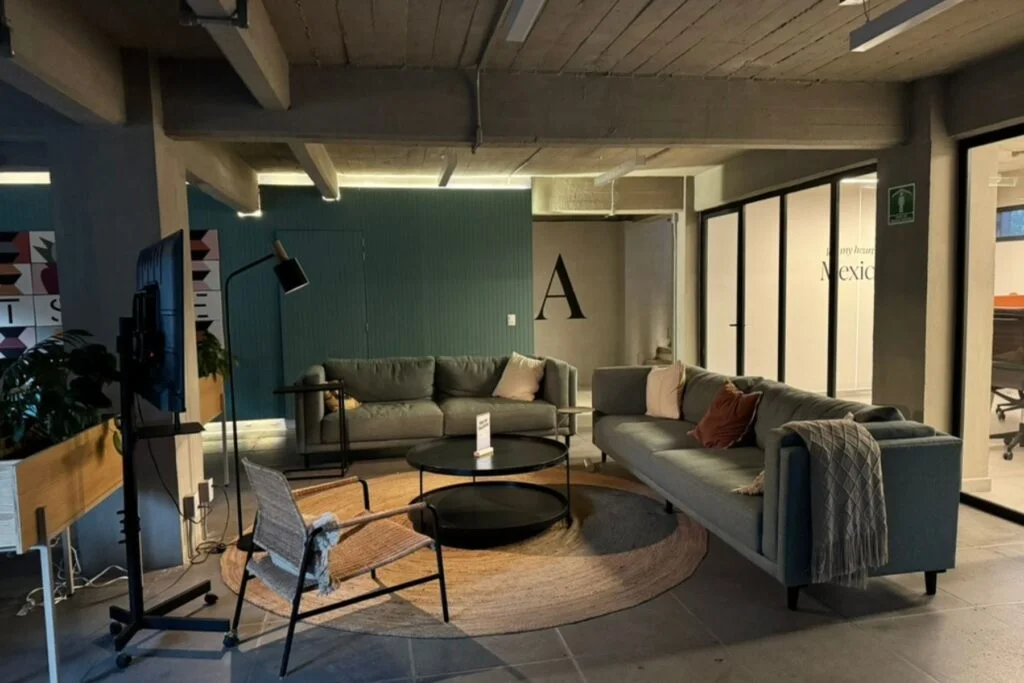
Evaluating the best chalet hotels for digital nomads involves navigating complex terminology across remote work technology, international real estate, and high-end hospitality. Travel planners and location-independent professionals frequently conflate standard hotel business centers with dedicated remote-work chalet suites that feature enterprise-grade Wi-Fi, secondary monitors, soundproof video-conferencing booths, and ergonomic seating. However, this general assumption obscures massive structural variances in technical infrastructure, such as redundant satellite internet backups, power generator fail-safes, and quiet co-working communal spaces.
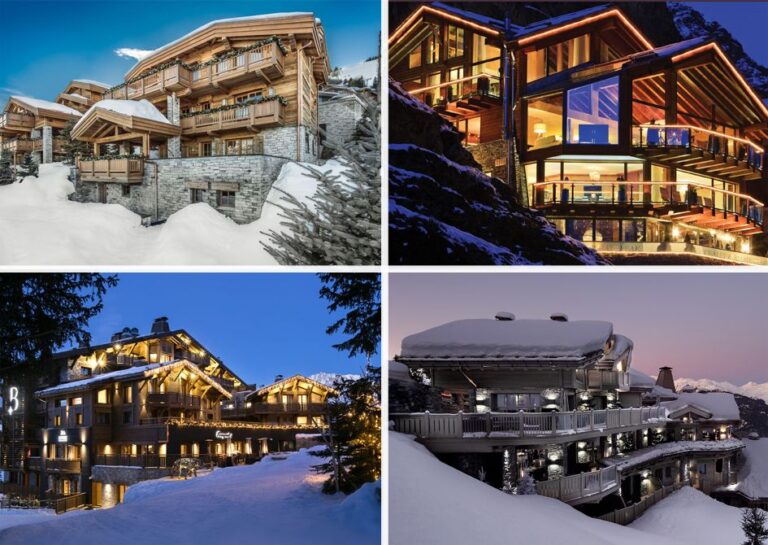
For instance, a traditional ski chalet in Chamonix offers cozy hearths and immediate ski access but may lack dedicated desk space or stable bandwidth during peak evening hours. Conversely, a modern alpine co-living chalet in Verbier integrates dedicated fiber lines, UPS power backups, and private office pods. Therefore, remote professionals and property operators must inspect micro-level technical specifications, quiet-hours policies, and long-stay discount structures closely.
Analytical Rigor versus Surface Impressions
True expertise in evaluating remote-friendly mountain properties requires balancing quantitative connectivity metrics against qualitative environmental consistency. Unlike standardized urban co-working hubs that rely on dense city infrastructure, alpine locations experience unique weather-related network disruptions and seasonal power surges. When experienced remote professionals evaluate property performance, they look past promotional imagery showing laptops against snowy backdrops. Instead, they assess actual upload and download speeds, ping latency, local power grid reliability, and the availability of distraction-free workspaces. Ultimately, failing to master these technical realities leads directly to professional friction and lost productivity.
Deep Contextual Background
The historical evolution of remote work hospitality traces back to early remote-friendly guesthouses, digital nomad hubs in tropical beach destinations, and the gradual decentralization of knowledge work across urban centers. During this foundational era, properties prioritized basic desk setups and standard consumer Wi-Fi, establishing the baseline for modern connectivity demands.
Following the widespread normalization of remote and hybrid employment structures, mountain lodging underwent a structural shift toward accommodating longer-stay professionals seeking lifestyle balance between intensive work sprints and outdoor recreation. Independent alpine operators began upgrading their infrastructure with dedicated high-speed fiber lines and modular workspace layouts. In recent decades, the shift toward location independence and flexible corporate nomadism has accelerated the demand for sophisticated, fully serviced long-stay chalet networks. Today, contemporary alpine properties rely on enterprise-grade network routing, digital concierge platforms, and community programming to manage remote professional portfolios seamlessly.
Conceptual Frameworks and Mental Models
Successfully evaluating alpine properties for remote professionals requires deploying rigorous analytical models. These models balance digital infrastructure investment against professional productivity value.
1. The Bandwidth-to-Redundancy Ratio
This mental model measures the exact ratio of primary fiber-optic internet speeds to secondary satellite or cellular backup systems, ensuring uninterrupted video conferencing during alpine storms.
2. The Ergonomic Ergonomics Index
Luxury operators must evaluate how physical workspace design—including adjustable standing desks, lumbar-support seating, and external monitors—directly impacts sustained daily output.
3. The Isolation versus Community Spectrum
This model analyzes whether a remote professional requires complete seclusion for deep-focus coding or collaborative co-working environments for networking.
Key Categories and Variations
The landscape of premier mountain properties suitable for location-independent professionals comprises several distinct structural and operational variations.
| Property Category | Primary Regional Focus | Typical Remote Inclusions | Strategic Trade-off |
| Dedicated Co-Living Chalets | Verbier, Chamonix | High-speed mesh Wi-Fi, shared communal desks, networking events | Built-in professional community; reduced private living space |
| Boutique Work-Ready Hotels | St. Moritz, Zermatt | Private room desks, 24/7 business lounge, IT support | High reliability and service; premium nightly rate pricing |
| Extended-Stay Alpine Apartments | Whistler, Aspen | Full kitchen, ergonomic home office setup, weekly cleaning | Great for long stays; limited spontaneous community networking |
| Corporate Remote Compounds | Big Sky, Jackson Hole | Encrypted enterprise VPN support, boardrooms, group buyouts | Ideal for distributed teams; rigid corporate booking contracts |
| Independent Backcountry Lodges | Niseko, Hakuba | Starlink satellite backup, quiet writing nooks, scenic focus | Absolute tranquility; potential weather-related isolation |
| Luxury Serviced Estates | Courchevel, Megève | Private study, dedicated butler service, ultra-fast fiber | Unmatched luxury and privacy; extremely high cost footprint |
Realistic Decision Logic
Selecting an appropriate remote-friendly property requires aligning professional workflow demands with infrastructure capabilities. For knowledge workers requiring constant video conferencing and technical stability, a boutique work-ready hotel provides enterprise-grade reliability. Conversely, for solo founders and digital entrepreneurs seeking peer collaboration alongside mountain sports, a dedicated co-living alpine chalet offers superior community engagement.
Detailed Real-World Scenarios
1. The Software Engineering SPRINT in Verbier
A senior developer books a month-long stay at an alpine co-living chalet. The property provides dedicated fiber internet, a dual-monitor setup in a private study, and reliable backup power, allowing the engineer to ship code releases without interruption while skiing mornings.
2. The Distributed Team Offsite in Big Sky
A technology startup utilizes a remote-ready chalet compound for a two-week company sprint. The layout combines high-speed enterprise Wi-Fi, a fully equipped conference room for daily standups, and structured afternoon outdoor team-building activities.
3. The Writer’s Winter Retreat in Chamonix
An independent author secures a quiet extended-stay chalet apartment featuring an ergonomic standing desk, soundproofing, and uninterrupted mountain views, enabling deep-focus manuscript completion.
4. The Weather-Adjusted Connectivity Contingency in Niseko
A heavy winter blizzard knocks out the local municipal power grid during a critical product launch. Because the selected chalet features an automatic backup generator and secondary satellite internet routing, the digital nomad completes client deliverables without downtime.
Planning, Cost, and Resource Dynamics
The economic viability and financial budgeting of long-term alpine remote work stays depend heavily on balancing accommodation costs against productivity output and connectivity investments.
-
Direct Infrastructure Upgrades and Subscription Costs: Calculating the operational investments required to install commercial routers, mesh networks, and ergonomic furniture within historic chalets.
-
Long-Stay Utility and Maintenance Allocations: Managing electricity and heating costs during extended winter stays where remote workers occupy units throughout the day.
-
Opportunity Costs: Failing to verify actual network stability can result in lost billable hours, missed client deadlines, and forced relocations during peak seasons.
| Cost Dimension | Standard Vacation Chalet | Boutique Work-Ready Hotel | Dedicated Co-Living Alpine Hub |
| Financial Structure | High weekly holiday rates with no remote perks | Moderate corporate rates with standard business access | Optimized monthly packages with all utilities and workspace included |
| Workspace Provision | Dining table or casual armchair | Dedicated desk, office chair, and task lighting | Fully equipped co-working floor and private breakout pods |
| Network Reliability | Consumer-grade Wi-Fi router; frequent throttling | Enterprise commercial-grade fiber with redundancy | Multi-line redundant fiber and failover satellite connections |
| Community Access | Isolated family or private group environment | Standard hotel lounge interaction | Curated professional networking dinners and events |
Tools, Strategies, and Support Systems
Executing successful remote work stays across elite mountain properties requires integrating specialized digital platforms and secure operational workflows.
-
Commercial Mesh Wi-Fi Systems: High-performance wireless routers ensuring seamless coverage across multi-level timber chalets without dead zones.
-
Speed and Latency Monitoring Tools: Automated network diagnostic software tracking ping stability, packet loss, and bandwidth allocation in real time.
-
Cloud-Based Concierge and IT Portals: Digital client interfaces allowing remote workers to report connectivity issues or request peripheral equipment instantly.
-
Alternative Power UPS Units: Uninterruptible power supply batteries protecting workstation hardware and routers during momentary power fluctuations.
-
Ergonomic Accessory Rental Services: Local logistics providers supplying external monitors, mechanical keyboards, and adjustable risers on demand.
-
Secure VPN and Cybersecurity Protocols: Enterprise-grade encryption standards safeguarding remote professional data across shared hospitality networks.
Risk Landscape and Failure Modes
Operating and marketing mountain properties for digital nomads introduces unique technical and logistical vulnerabilities that require structured mitigation.
-
Overpromising Network Capabilities: Marketing generic consumer Wi-Fi as “high-speed remote work ready,” leading to severe professional disruption for guests.
-
Severe Weather Infrastructure Failures: Heavy alpine snowstorms damaging overhead fiber lines or cutting power grids without adequate property backup systems.
-
Ergonomic Deficiencies and Physical Strain: Lack of proper seating and desk height causing repetitive strain injuries during extended programming sessions.
-
Noise and Distraction Conflicts: Blending leisure vacationers with intensive remote knowledge workers in shared chalets, creating lifestyle friction.
-
Seasonal Pricing Volatility: Exorbitant winter ski-season rates pricing out long-term remote workers unless shoulder-season packages are offered.
Governance, Maintenance, and Long-Term Adaptation
Maintaining elite standards across remote-friendly hospitality offerings requires rigorous internal auditing and continuous technical refinement.
-
Pre-Season Network Audits: Comprehensive stress tests of bandwidth capacity, router firmware, and backup power fail-safes prior to digital nomad arrivals.
-
Monthly Infrastructure Reviews: Systematic evaluations of guest feedback regarding workspace comfort and internet speed consistency.
-
The Layered Remote Hospitality Management Checklist:
-
Speed Verification: Conduct physical speed tests across all chalet rooms and co-working spaces forty-eight hours before check-in.
-
Ergonomic Inspection: Audit desk chairs, monitor risers, and lighting fixtures to ensure compliance with professional workspace standards.
-
Power Backup Test: Verify generator fuel levels and UPS battery charge cycles ahead of forecasted winter storm periods.
-
Community Portal Setup: Initialize digital chat channels and coworking booking calendars for arriving long-stay professionals.
-
Measurement, Tracking, and Evaluation
-
Leading Indicators: Remote work inquiry volumes, length-of-stay extension requests, and pre-arrival tech requirement form completions serve as early operational health signals.
-
Lagging Indicators: Average length of stay for digital nomads, repeat remote booking ratios, and specific satisfaction scores regarding internet reliability measure overall success.
-
Documentation Standards: Maintaining an exhaustive digital archive tracking network performance logs, workspace upgrade inventories, and guest tech feedback.
-
Benchmarking Analysis: Regularly comparing download speeds, inclusion density, and remote-stay pricing against competing alpine hospitality portfolios.
Common Misconceptions and Oversimplifications
-
“Any chalet with Wi-Fi is automatically suitable for professional digital nomads.” Consumer-grade vacation Wi-Fi frequently collapses under heavy video-conferencing loads and large file transfers.
-
“Remote workers only care about internet speed, ignoring physical workspace ergonomics.” Long-term productivity requires professional desk setups, lumbar support, and adequate lighting to prevent physical strain.
-
“Mountain chalets are completely disconnected from urban-level digital infrastructure.” Modern alpine hubs feature advanced fiber-optic networks capable of supporting enterprise-grade remote operations.
-
“Summer and winter remote work operational demands are identical.” Winter stays require managing heavy heating loads and storm contingencies, while summer operations focus on outdoor recreation balancing.
-
“Digital nomads prefer complete isolation over community networking opportunities.” Many remote professionals actively seek co-working spaces and structured networking events during extended stays.
-
“Long-term remote stays do not require specialized property management oversight.” Extended-stay professionals demand responsive technical support and reliable maintenance that standard short-term holiday rentals rarely provide.
Ethical, Practical, and Contextual Considerations
Designing and marketing mountain accommodations for remote professionals carries profound responsibilities regarding honest technical advertising, data privacy security, and fair pricing transparency. Operators must ensure that internet speeds and workspace specifications are advertised with absolute accuracy, avoiding misleading claims about network performance. Furthermore, maintaining respectful integration with local mountain communities ensures that the influx of digital nomads supports regional economic stability without straining local housing markets.
Conclusion
The planning and execution of remote-friendly alpine properties represent a sophisticated synthesis of digital infrastructure engineering, ergonomic design, and flexible hospitality management. When property managers and remote professionals evaluate the best chalet hotels for digital nomads, a structured analytical approach moves stakeholders past surface-level marketing to achieve true operational reliability. Success in this specialized sector requires balancing network redundancy, transparent workspace inclusions, and resilient long-stay programming. Through patience and editorial rigor, property owners and remote professionals alike can secure exceptional productivity and memorable mountain living across the world’s most inspiring summits.