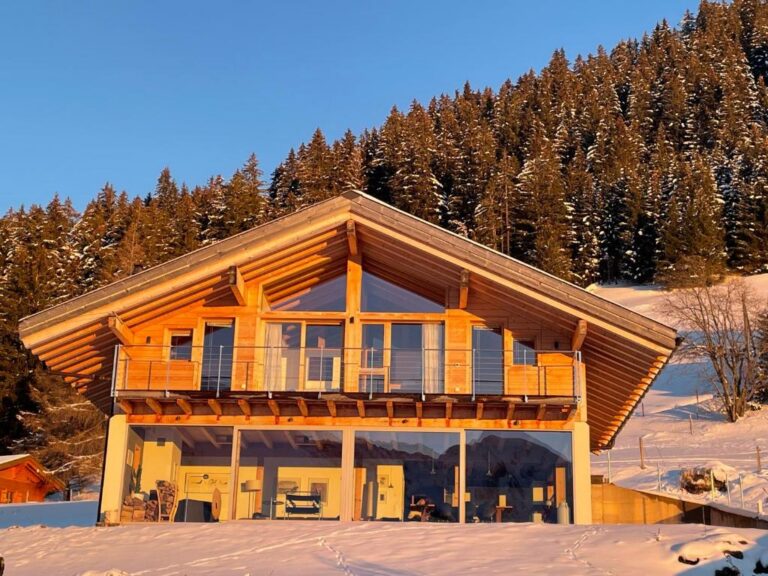
Common Chalet Hotels Travel Mistakes: Ultimate Alpine Guide
Navigating the logistics of elite mountain lodging requires a sophisticated understanding of regional weather patterns, alpine transport logistics, and specialized property rules. However, surface-level vacation planning frequently overlooks the complex operational realities that distinguish remote chalet estates from standard urban hotels. Furthermore, travelers continually encounter unexpected pitfalls ranging from inadequate vehicle preparation to poor itinerary timing. As a result, ensuring a seamless alpine holiday depends heavily on thorough pre-trip research and realistic logistical planning.
Additionally, achieving a successful mountain getaway requires balancing delicate trade-offs between rustic seclusion and accessible modern amenities. For instance, travelers must weigh the charm of an isolated timber lodge against the logistical difficulties of securing emergency transport during a heavy alpine blizzard. Consequently, these structural choices tie overall vacation satisfaction directly to proactive error avoidance. Moreover, analyzing specialized travel missteps sheds light on broader shifts in high-end resort preparation. Therefore, this guide details common chalet hotels travel mistakes across elite international mountain portfolios.
Understanding Common Chalet Hotels Travel Mistakes

Semantic Ambiguity and Structural Boundaries
Evaluating common chalet hotels travel mistakes involves navigating complex terminology across hospitality management, travel planning, and alpine geography. Guests and tour coordinators frequently conflate basic booking oversights with comprehensive operational miscalculations that govern remote property accessibility, winter driving mandates, and specialized waste management protocols. However, this general assumption obscures massive structural variances in regional mountain environments, such as sudden weather shifts, altitude sickness factors, and seasonal road closures.
For instance, a chalet stay in a heavily developed Swiss valley resort provides immediate access to municipal bus systems and plowed roads. Conversely, an isolated luxury estate in the Canadian Rockies requires strict adherence to four-wheel-drive vehicle mandates and advance grocery provisioning. Therefore, travelers and planners must inspect micro-level property location details, local municipal transit rules, and weather advisory feeds closely.
Analytical Rigor versus Surface Impressions
True expertise in avoiding travel errors requires balancing quantitative preparation metrics against qualitative environmental awareness. Unlike standardized urban hotels that offer plug-and-play urban infrastructure, remote alpine accommodations exist within unpredictable mountain ecosystems. When experienced travelers evaluate common chalet hotels travel mistakes, they look past superficial assumptions like expecting 24-hour room service or immediate rideshare availability in remote valleys. Instead, they assess vehicle winterization requirements, advance concierge booking timelines, and local grocery provisioning constraints. Ultimately, failing to master these operational realities leads directly to stranded travel parties, unexpected expenses, and compromised vacation experiences.
Deep Contextual Background
The historical evolution of mountain chalet travel traces back to early mountaineering expeditions, rural farming homesteads, and nineteenth-century railway tourism in the European Alps and North American ranges. During this foundational era, visitors relied on local hosts and basic horse-drawn transport, establishing the baseline for rustic mountain hospitality.
Following the post-World War II expansion of destination ski resorts, alpine lodging underwent a structural shift toward commercial chalet rentals and packaged winter holidays. Independent travelers began seeking authentic mountain experiences away from standardized corporate hotels. In recent decades, the shift toward luxury experiential travel and secluded estate rentals has accelerated the demand for detailed digital planning and comprehensive property briefings. Today, modern travelers rely on pre-arrival concierge portals, real-time weather tracking applications, and specialized logistical guides to oversee high-value mountain trips successfully.
Conceptual Frameworks and Mental Models
Successfully identifying and preventing missteps during alpine lodging stays requires deploying rigorous analytical models. These models balance romanticized expectations against practical mountain realities.
1. The Isolation-to-Access Gradient
This mental model measures the exact distance and logistical difficulty separating a chalet from essential services like grocery stores, medical centers, and plowed main roads.
2. The Weather-Dependency Index
Travelers must evaluate how heavily their daily itinerary relies on clear alpine weather, recognizing when contingency indoor plans are necessary.
3. The Resource Provisioning Matrix
This model analyzes how advance planning for food, fuel, and gear prevents last-minute emergencies in remote mountain locations.
Key Categories and Variations
The landscape of premier mountain travel comprises several distinct structural and operational variations where errors frequently occur.
| Travel Mistake Category | Primary Regional Focus | Typical Miscalculation | Strategic Correction |
| Vehicle Winterization Errors | Aspen, Zermatt, Chamonix | Renting standard two-wheel-drive cars without snow chains | Booking certified four-wheel-drive vehicles with winter tires |
| Grocery and Provisioning Lags | Whistler, Jackson Hole, Niseko | Arriving late at night without pre-ordered food supplies | Utilizing pre-arrival grocery delivery services |
| Altitude Adaptation Oversights | Telluride, St. Moritz, La Paz | Engaging in strenuous exertion immediately upon arrival | Allowing 24 to 48 hours for physiological acclimatization |
| Concierge Booking Delays | Courchevel, Verbier, Megève | Waiting until arrival to book peak-season ski lessons and dining | Reserving high-demand slots months in advance |
| Inadequate Clothing Sourcing | Banff, Lake Tahoe, Val Thorens | Packing urban winter coats rather than technical alpine gear | Investing in moisture-wicking layers and windproof outerwear |
| Waste and Environmental Missteps | Park City, Big Sky, Zermatt | Leaving food waste accessible to local wildlife populations | Adhering strictly to secure waste disposal and latching rules |
Realistic Decision Logic
Selecting an appropriate planning strategy to avoid travel errors requires aligning property isolation levels with personal mountain experience. For travelers booking remote backcountry chalets, anticipating winter road closures and arranging advance grocery deliveries prevents stressful late-night arrivals. Conversely, for visitors staying in connected resort villages, understanding local public transit timetables prevents unnecessary vehicle rental expenses and parking hassles.
Detailed Real-World Scenarios
1. The Unprepared Winter Driving Incident in the Alps
A travel party rents a standard compact sedan to reach a remote chalet in the French Alps during a heavy snowstorm. Without snow chains or four-wheel-drive capability, the vehicle slides off the unplowed mountain access road, resulting in expensive towing fees and a delayed check-in.
2. The Late-Night Provisioning Crisis in Jackson Hole
Guests arrive at their secluded mountain chalet late on a Sunday evening, only to discover that local valley grocery stores are closed and no food provisions were ordered in advance, forcing a costly emergency dining solution.
3. The Altitude Sickness Misstep in Telluride
Eager to maximize vacation time, a traveler embarks on an intense high-altitude mountain hike immediately after checking into a high-elevation chalet, suffering severe altitude sickness that sidelines them for the first three days of the trip.
4. The Last-Minute Ski Lesson Dilemma in Verbier
A family assumes they can easily book private ski instruction and popular mountain restaurants upon arrival during peak Christmas week, only to find all slots fully booked months prior by proactive travelers.
Planning, Cost, and Resource Dynamics
The economic viability and financial budgeting of mountain chalet trips depend heavily on avoiding hidden costs generated by poor planning.
-
Emergency Towing and Transport Penalties: Failing to equip rental vehicles properly for winter conditions often triggers exorbitant towing fees and insurance complications.
-
Last-Minute Premium Surcharges: Booking equipment rentals, airport transfers, and excursions at the last minute incurs heavy retail markups.
-
Opportunity Costs: Poor scheduling and inadequate preparation can waste precious vacation days resolving logistical emergencies rather than enjoying the mountain environment.
| Cost Dimension | Reactive Travel Planning | Proactive Logistical Management | Comprehensive Expert Curation |
| Financial Predictability | Low; vulnerable to emergency fees and surge pricing | High; expenses mapped out via advance bookings | Optimized; bulk or seasonal rates locked in early |
| Stress Levels | High; constant troubleshooting of unexpected obstacles | Low; smooth transitions and pre-arranged itineraries | Minimal; seamless white-glove execution |
| Time Efficiency | Poor; wasted hours solving basic operational issues | High; streamlined movement and efficient check-ins | Maximum; all details handled by professional concierges |
Tools, Strategies, and Support Systems
Executing error-free mountain travel requires integrating specialized digital planning applications and reliable local resource platforms.
-
Real-Time Mountain Road Condition Apps: Official regional transit portals providing live updates on snow chains, pass closures, and traffic incidents.
-
Digital Pre-Arrival Concierge Portals: Secure platforms allowing guests to arrange grocery deliveries, ski passes, and equipment fittings prior to travel.
-
High-Altitude Health Tracking and Hydration Guides: Specialized apps monitoring physical adaptation to elevation and reminding travelers to maintain hydration.
-
Offline Mapping and Navigation Tools: Digital topographical software functioning seamlessly in remote valleys without cellular coverage.
-
Currency and Expense Management Portals: Financial apps tracking vacation spending to prevent budget overruns from unexpected tourist fees.
-
Emergency Local Contact Registries: Curated lists of local emergency medical services, tow operators, and property management contacts.
Risk Landscape and Failure Modes
Implementing travel strategies without proper awareness introduces unique operational and physical vulnerabilities that require careful mitigation.
-
Winter Road Impassability: Attempting to navigate steep mountain passes in adverse weather without proper vehicle winterization, resulting in road blockages and stranded vehicles.
-
Acute Mountain Sickness (AMS): Ignoring physiological warning signs of high altitude, leading to medical emergencies in remote valley locations.
-
Over-Reliance on Cellular Connectivity: Assuming mobile data networks will function across remote alpine trails and deep mountain passes.
-
Disregarding Local Wildlife Warnings: Leaving food or trash unsecured outside the chalet, attracting bears or local predators.
-
Non-Refundable Booking Rigidities: Purchasing rigid, non-refundable excursion or lodging packages without travel insurance when mountain weather threatens cancellations.
Governance, Maintenance, and Long-Term Adaptation
Maintaining elite travel standards and avoiding recurring errors requires continuous pre-trip evaluation and post-trip reflection.
-
Pre-Trip Logistics Verification: Comprehensive reviews of vehicle rental specifications, grocery delivery confirmations, and insurance coverages thirty days prior to departure.
-
Daily Weather and Route Briefings: Evening reviews of local meteorological forecasts and mountain pass status updates to confirm next-day travel safety.
-
The Layered Travel Error Prevention Checklist:
-
Vehicle Verification: Confirm that all rental vehicles feature four-wheel drive, winter tires, and included snow chains.
-
Provisioning Confirmation: Verify that pre-arrival grocery deliveries are scheduled for the afternoon of check-in.
-
Activity Reservation Audit: Check that all peak-season ski passes, dining slots, and guides are booked well in advance.
-
Emergency Contact Download: Ensure all property manager and local emergency numbers are saved offline on all mobile devices.
-
Measurement, Tracking, and Evaluation
-
Leading Indicators: Timely completion of pre-trip checklists, advance booking of concierge services, and vehicle winterization verification serve as early success signals.
-
Lagging Indicators: Total unexpected expenses incurred during the trip, number of logistical emergencies resolved, and overall vacation satisfaction scores measure trip success.
-
Documentation Standards: Maintaining an organized digital log tracking travel itineraries, confirmation receipts, and emergency contacts for future holiday planning.
-
Benchmarking Analysis: Regularly comparing personal travel preparation workflows against experienced alpine traveler standards to refine future itineraries.
Common Misconceptions and Oversimplifications
-
“Renting a standard car is sufficient for reaching any luxury chalet in the mountains.” Steep, unplowed alpine access roads frequently mandate certified four-wheel-drive vehicles and snow chains.
-
“Mountain grocery stores are open late and stocked with everything needed upon arrival.” Remote alpine village shops often close early and have limited inventory, making advance grocery ordering essential.
-
“Altitude sickness only affects extreme mountaineers, not casual resort visitors.” Elevations above 8,000 feet can trigger mild to severe altitude sickness in unprepared travelers.
-
“Concierge services can easily secure peak-season reservations on the day of arrival.” High-demand restaurants, ski instructors, and private guides book out months in advance during peak winter periods.
-
“Urban winter coats provide adequate protection against severe alpine weather.” Mountain environments require specialized technical layering, windproofing, and moisture management.
-
“Cellular service is reliable everywhere in modern destination ski resorts.” Deep mountain valleys frequently experience dead zones where mobile data and GPS signals fail.
Ethical, Practical, and Contextual Considerations
Navigating mountain travel environments carries important responsibilities regarding local community respect, environmental conservation, and personal safety. Travelers must ensure that their vehicle usage, waste disposal, and outdoor exploration adhere strictly to local regional laws and ecological preservation principles. Furthermore, respecting mountain rescue personnel by avoiding reckless behavior during severe weather protects both the travelers and the emergency workers who serve alpine communities.
Conclusion
The strategic planning and execution of mountain chalet holidays represent a sophisticated synthesis of logistical awareness, environmental respect, and careful preparation. When travelers master how to avoid common chalet hotels travel mistakes, structured planning methods move visitors past costly pitfalls to achieve true alpine fluency. Success in this specialized sector requires balancing vehicle winterization, advance provisioning, and realistic itinerary pacing. Through patience and editorial rigor, travelers can protect their financial resources and guarantee exceptional, memorable mountain experiences across the world’s most breathtaking summits.