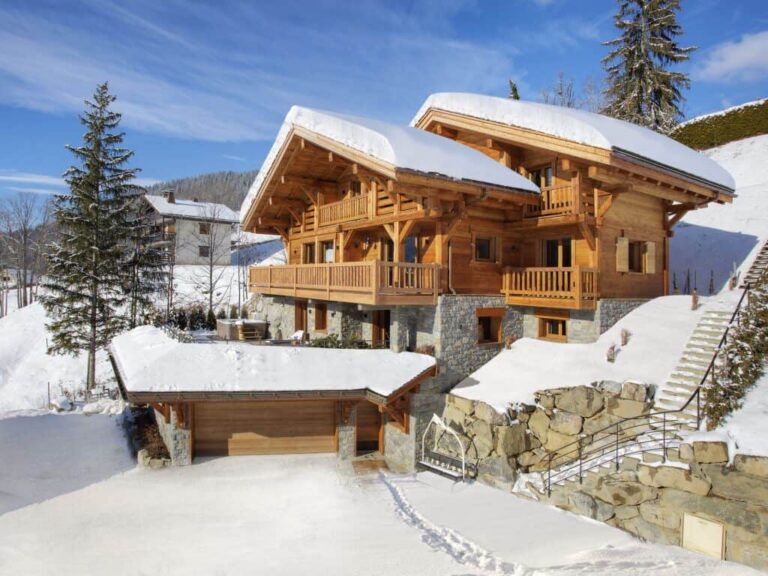
Common Chalet Hotels Booking Mistakes: Ultimate Alpine Guide
Navigating the reservation mechanics of high-altitude alpine hospitality properties requires an intricate understanding of seasonal demand cycles, exclusive-use contract terms, and remote geographical logistics. Across rugged mountain ranges and picturesque resort valleys, travelers, corporate planners, and property managers frequently encounter hidden financial traps and operational hurdles during the reservation process. Surface-level booking portals and generic travel advisory guides frequently fail to capture the profound structural realities governing minimum-night stay clauses, weather-contingency liabilities, exclusive-use buyout conditions, and remote transport accessibility in luxury mountain retreats.
Achieving long-term reservation success necessitates managing delicate trade-offs among peak-season release windows, non-refundable deposit terms, localized tax structures, and multi-room block attrition agreements. Consequently, these reservation choices tie financial security directly to meticulous contract review and advance planning. Analyzing specialized alpine booking patterns sheds light on broader shifts shaping contemporary high-end travel management. Accelerated demand for exclusive alpine buyouts, rising hospitality contract complexity, and changing expectations surrounding flexible cancellation policies have fundamentally transformed how modern travelers secure mountain accommodations.
Furthermore, guests and corporate planners who successfully anticipate peak pricing compression, transport bottlenecks, and hidden utility fees secure smoother, more reliable travel experiences. Consequently, mastering the characteristics of these elevated booking channels requires a detailed systemic framework. This inquiry explores the deep economic, legal, and operational factors shaping contemporary alpine reservation management. Ultimately, achieving a comprehensive understanding of lodge booking mechanics demands structured oversight. By breaking down how travelers navigate deposit forfeiture, ski-lift proximity claims, service staff gratuities, and cancellation clauses, visitors traverse the complex landscape of mountain real estate effectively. Therefore, this guide serves as a definitive reference for understanding reservation pitfalls across elite hospitality portfolios.
Understanding “common chalet hotels booking mistakes”

Semantic Ambiguity and Structural Boundaries
Evaluating the classification, legal standards, and operational protocols involved when travelers examine common chalet hotels booking mistakes requires navigating profound semantic ambiguity. This ambiguity spans hospitality contract law, alpine travel logistics, and luxury consumer behavior. Property operators, travel advisors, and corporate booking managers frequently conflate standard urban hotel reservation flexibility with rigid alpine chalet buyout terms, mandatory weekly Saturday-to-Saturday turnover cycles, and remote valley transfer conditions. However, this broad generalization obscures massive variances in cancellation penalty strictness, security deposit escrow rules, and hidden local tourist taxes.
For instance, booking a standard hotel room online typically allows free cancellation up to twenty-four hours before arrival; conversely, reserving an exclusive-use luxury mountain chalet often binds the client to non-refundable fifty-percent deposits months in advance. While standard hotel terms favor consumer mobility, alpine chalet contracts protect property owners against catastrophic seasonal vacancy risks in highly compressed operational windows. Therefore, travelers must inspect micro-level booking terms, force majeure clauses, and attrition minimums closely.
Analytical Rigor versus Surface Impressions
True expertise in avoiding reservation errors within alpine lodges requires balancing quantitative contract literacy with qualitative geographical awareness. Unlike standard urban hotels where properties sit within integrated transit networks, mountain chalets are frequently isolated by challenging topography, seasonal road closures, and complex air-travel dependencies. When experienced travelers evaluate booking options, they look past glamorous marketing photographs and promotional nightly rates. Instead, they assess true ski-in/ski-out accessibility claims, mandatory local resort taxes, staff tipping expectations, and supplemental heating or cleaning fees. Ultimately, failing to master these reservation realities leads directly to severe financial disputes, unexpected travel bottlenecks, and compromised vacation experiences.
Deep Contextual Background
The historical evolution of mountain lodging reservations traces back to early alpine village guesthouses, local tourism bureau registries, and direct handwritten correspondence with family-run chalet owners. During this foundational era, bookings relied heavily on trust-based verbal agreements, seasonal postal mailings, and cash deposits sent across international borders, establishing the structural baseline that influenced mountain hospitality for generations.
Following the mid-twentieth-century expansion of international ski tourism and the commercial development of luxury alpine real estate, chalet booking underwent a radical structural transformation. Independent mountain lodges evolved into sophisticated commercial assets managed by international hospitality brands, luxury rental agencies, and complex digital distribution networks. Furthermore, this commercial maturation introduced sophisticated reservation accounting, including dynamic yield management, strict cancellation matrices, and multi-tier exclusive-use buyout agreements. In recent decades, the shift toward online travel aggregation, experiential luxury travel, and heightened travel disruption risks has accelerated the demand for deeply specialized booking oversight. Today, contemporary chalet reservations are driven by automated multi-property inventory systems, stringent non-refundable financial structures, and specialized concierge service add-ons. Ultimately, these upgrades turn basic mountain accommodation arrangements into highly regulated, legally binding commercial contracts.
Conceptual Frameworks and Mental Models
Successfully evaluating and navigating chalet reservation processes requires deploying rigorous analytical models. These models balance emotional vacation aspirations against strict contractual obligations.
1. The Fixed Weekly Turnover versus Flexible Nightly Stay Matrix
This mental model measures whether a property’s mandatory Saturday-to-Saturday booking rule conflicts with airline flight availability and guest travel schedules.
2. The Total Cost of Occupancy versus Base Nightly Rate Model
Alpine bookings frequently omit mandatory local taxes, service charges, and security deposits. This framework calculates the true out-of-pocket financial liability before signing reservation agreements.
3. The Geographical Proximity and Transit Friction Index
Marketing descriptions often exaggerate ski accessibility. Consequently, this mental model evaluates actual walking distances, slope connectivity, and private vehicle transport dependencies against promotional claims.
Key Categories and Variations
The landscape of reservation errors and booking variations across the global alpine hospitality sector comprises several distinct structural and operational classifications.
| Booking Error Category | Primary Operational Focus | Consequence of Error | Strategic Corrective Action |
| Exclusive-Use Buyout Miscalculation | Group headcount alignment | Paying for unoccupied luxury suites or exceeding maximum occupancy caps | Match exact guest headcounts to legal chalet sleeping capacity before booking |
| Rigid Saturday Turnover Ignorance | Itinerary scheduling | Discrepancies with flight schedules and forced extra hotel nights | Verify regional airport flight patterns and transit options prior to fixing dates |
| Ski-In/Ski-Out Geographical Overstatement | Slope accessibility | Long daily walks in ski boots or mandatory shuttle bus reliance | Request precise topographic coordinates and slope maps from property managers |
| Non-Refundable Deposit Trap | Financial liability | Total financial loss upon unexpected medical or weather cancellations | Purchase comprehensive third-party trip cancellation insurance immediately |
| Hidden Service and Tax Omissions | Budget forecasting | Unexpected invoices for local tourist taxes, cleaning, and staff gratuities | Review itemized cost sheets including municipal visitor fees and VAT |
| Inadequate Force Majeure Review | Crisis protection | Inability to recover funds during unseasonal lack of snow or road closures | Negotiate explicit credit or rebooking terms for catastrophic weather events |
Realistic Decision Logic
When travelers and corporate retreat planners evaluate options to determine the safest reservation strategy, selecting an appropriate booking protocol requires aligning group flexibility with strict cancellation policies. For large family gatherings or corporate groups booking exclusive-use luxury chalets during peak winter holiday weeks, accepting rigid non-refundable deposit terms is often mandatory; therefore, mitigating this financial risk requires purchasing specialized travel insurance that covers weather-related interruptions and medical emergencies. Conversely, for shoulder-season travel where inventory is abundant, selecting flexible cancellation tiers provides essential protection against sudden schedule changes. Therefore, stakeholders must carefully weigh these contractual trade-offs against financial exposure limits.
Detailed Real-World Scenarios
1. The Misjudged Ski-In/Ski-Out Distance
A group of skiers books a chalet marketed as “ski-in/ski-out” during a dry early-winter season, only to discover upon arrival that reaching the piste requires a fifteen-minute walk up a steep, icy incline in full ski gear. The travelers must reorganize their daily schedule to rely on the chalet’s limited shuttle van, causing major friction and wasted time.
2. The Flight Disruption and Rigid Turnover Collision
A family flying into a regional alpine airport encounters severe storm delays, causing them to miss their Saturday check-in window at a chalet governed by strict weekly turnover rules. Because the property cannot hold the reservation past Sunday morning without forfeiting the entire week’s booking, the travelers face immense stress and secondary hotel expenses.
3. The Exclusive Buyout Capacity Violation
An organizer books a luxury chalet assuming it comfortably sleeps twelve adults, overlooking the fine print stating that two of the beds are small children’s bunk alcoves. Upon arrival, two adult guests must find and pay for separate accommodations in a nearby commercial hotel at peak-season rates.
4. The Unanticipated Local Tourist Tax and Utility Surcharge
A budget-conscious traveler books a chalet based solely on the advertised nightly rate, failing to notice the fine print specifying mandatory end-of-stay cleaning fees, local municipal tourist taxes per person per day, and security deposit holds. Upon checkout, these extra charges inflate the total bill by twenty percent.
Planning, Cost, and Resource Dynamics
The economic viability and financial success of alpine chalet reservations depend on balancing upfront deposit commitments against hidden operational fees.
-
Direct Accommodation and Deposit Outlays: Managing non-refundable deposits, balance payment deadlines, and currency exchange rate fluctuations requires disciplined financial tracking.
-
Trip Cancellation Insurance Premiums: Investing in comprehensive travel insurance policies covering high-value exclusive-use bookings safeguards against unexpected health or weather disruptions.
-
Opportunity Costs: Failing to review cancellation penalty timelines results in catastrophic financial forfeiture if personal or professional schedules shift unexpectedly.
| Cost Dimension | Standard Urban Hotel Booking | Flexible Ski Resort Apartment | Exclusive-Use Luxury Chalet Estate |
| Deposit Requirement | First night or credit card hold | Twenty to thirty percent refundable | Fifty percent non-refundable up-front |
| Cancellation Window | Up to 24-48 hours prior to arrival | 30 to 60 days prior without penalty | 90 to 180 days prior with strict forfeiture |
| Additional Fee Structure | Basic resort fees | Cleaning fee included | Separate cleaning, tourist tax, and utility billing |
| Group Contract Complexity | Individual room reservations | Simple multi-room block | Comprehensive legal buyout and liability agreements |
Tools, Strategies, and Support Systems
Executing successful chalet reservations across complex mountain destinations requires integrating specialized booking platforms and financial verification tools.
-
Verified Luxury Chalet Agency Networks: Utilizing reputable, specialized alpine travel curators rather than unverified peer-to-peer listing sites to ensure property authenticity.
-
Digital Contract and Cancellation Clause Analyzers: Software tools and legal checklists highlighting restrictive force majeure terms, attrition penalties, and refund deadlines.
-
Comprehensive Travel Insurance Portals: Dedicated platforms providing tailored high-value trip interruption and medical evacuation coverage for extreme sports travel.
-
Currency Hedging and International Wire Services: Financial tools minimizing foreign exchange volatility and international transfer fees when paying European or foreign chalet operators.
-
Topographic Mapping and Slope Proximity Apps: Digital tools verifying exact geographic coordinates, elevation profiles, and real-world ski-lift connections.
-
Itemized Booking Checklist Templates: Systematic verification logs ensuring all local taxes, cleaning fees, and security deposit terms are reviewed prior to signature.
Risk Landscape and Failure Modes
Operating and investing in high-altitude chalet travel introduces unique financial and logistical vulnerabilities. If unmitigated, these risks can compromise vacation enjoyment and financial solvency.
-
Total Financial Loss from Non-Refundable Deposit Forfeiture: Illness, family emergencies, or professional crises occurring outside the strict cancellation window leading to total loss of prepaid funds.
-
Misleading Property Marketing and Substandard Facilities: Arriving at a rented chalet that fails to match promotional photographs or lacks essential amenities due to fraudulent listings.
-
Catastrophic Snow Droughts Negating Winter Holiday Intentions: Booking an expensive high-altitude chalet only to experience an unseasonal lack of snow, ruining skiing plans without triggering refund eligibility.
-
Hidden Group Attrition Penalties on Multi-Family Bookings: Individuals dropping out of a large chalet reservation leaving the primary organizer legally bound to cover their share.
-
Disputes Over Security Deposit Damage Deductions: Property managers withholding substantial security deposits upon departure for pre-existing wear and tear or disputed damages.
Governance, Maintenance, and Long-Term Adaptation
Maintaining elite financial and operational safeguards across personal or corporate travel planning requires rigorous governance protocols and review cycles.
-
Pre-Booking Contract Auditing: Systematic legal and financial reviews of all chalet rental agreements, cancellation tiers, and force majeure clauses before releasing deposits.
-
Post-Trip Expense Reconciliation: Comprehensive auditing of final checkout invoices against initial booking confirmations to catch unauthorized utility or cleaning charges.
-
The Layered Chalet Booking Error Prevention Checklist:
-
Geographic and Slope Verification: Cross-reference chalet address and lift access claims using satellite mapping before committing funds.
-
Cancellation Tier and Insurance Review: Secure matching comprehensive travel insurance within fourteen days of paying initial booking deposits.
-
Itemized Fee and Tax Audit: Verify exact totals for municipal tourist taxes, cleaning fees, and security deposit escrow terms.
-
Flight and Turnover Synchronization: Confirm that flight arrival days align perfectly with mandatory chalet turnover rules and check-in windows.
-
Measurement, Tracking, and Evaluation
-
Leading Indicators: Contract clarity scores, insurance policy coverage verifications, and flight-to-turnover synchronization checks serve as early travel health signals.
-
Lagging Indicators: Total out-of-pocket variance from initial booking estimates, dispute counts with property managers, and overall vacation satisfaction measure booking success.
-
Documentation Standards: Maintaining an exhaustive digital archive tracking booking confirmations, signed contracts, insurance policies, and communication logs with property managers.
-
Benchmarking Analysis: Regularly comparing booking rates, cancellation flexibility, and inclusive amenities across competing alpine travel providers.
Common Misconceptions and Oversimplifications
-
“All online booking platforms offer the same consumer protection guarantees.” Peer-to-peer short-term rental platforms often lack the rigorous consumer protections, vetting, and professional management standards of dedicated chalet agencies.
-
“Travel insurance automatically covers all weather-related cancellations.” Standard policies frequently exclude lack-of-snow clauses unless specialized winter sports and weather-disruption riders are explicitly purchased.
-
“Ski-in/ski-out properties are equally accessible for all skiing abilities.” Many properties advertised as ski-in/ski-out require navigating expert black-diamond runs or steep off-piste terrain that beginners cannot manage.
-
“Exclusive-use buyout prices are fully inclusive of all local operating costs.” Luxury chalets frequently bill local tourist taxes, food provisions, staff gratuities, and end-of-stay cleaning as separate line items.
-
“Saturday turnover rules are flexible if the property is empty.” Commercial cleaning and catering staff scheduling make mid-week check-ins virtually impossible for most exclusive-use chalets.
-
“Security deposits are straightforward and always returned in full.” Without a documented photo inspection upon arrival, travelers risk unfair damage deductions upon departure.
Ethical, Practical, and Contextual Considerations
Planning elite alpine travel carries profound ethical responsibilities regarding transparent financial agreements, respect for local community municipal regulations, and realistic expectations of mountain service staff. Travelers must ensure that booking agreements respect local housing regulations and do not contribute to unregulated short-term rental inflation in fragile alpine villages. Furthermore, maintaining respectful and clear communication with chalet property managers and host teams ensures that all participants enjoy a transparent, legally sound, and deeply rewarding mountain holiday experience. By upholding disciplined, analytical, and respectful booking standards, travelers protect their financial investments and support sustainable alpine tourism.
Conclusion
The structural planning and financial execution of high-altitude chalet reservations represent a sophisticated synthesis of contract law, logistics management, and geographical awareness. When travelers and corporate planners evaluate strategies to avoid common chalet hotels booking mistakes, a structured analytical approach moves operators past surface-level marketing to achieve true reservation mastery. Success in this specialized sector requires balancing non-refundable deposit terms, rigorous contract audits, and comprehensive travel insurance protection. Through patience, editorial rigor, and an unwavering commitment to financial diligence, stakeholders can protect their capital, optimize travel logistics, and guarantee an unforgettable mountain vacation across the world’s most demanding alpine environments.